Cart
0

Essential Car Maintenance Tips for Canadian Drivers: A Complete Guide to Vehicle Care
Mastering vehicle maintenance in Canada is crucial for safety and performance throughout the year. This comprehensive guide covers region-specific tips—from winterizing your car to using technology for upkeep—to keep your vehicle reliable no matter the season.
Key Takeaways
- Regular oil changes with manufacturer-recommended viscosity and synthetic oil in winter protect engine health.
- Annual brake inspections ensure stopping power on slippery Canadian roads.
- Consistent fluid checks prevent breakdowns caused by freezing or leaks.
- Winter tires with proper tread and pressure are essential for traction and legal compliance.
- Seasonal battery care, wiper replacement, and rust prevention prepare your vehicle for harsh weather.
- Using apps and OBD2 scanners helps track maintenance schedules and diagnose issues early.
- Routine visual checks on filters, spark plugs, and belts prevent performance declines.
- Responsible recycling benefits the environment and finances when your vehicle reaches end-of-life.
Table of Contents
- Brake Inspections: Ensure Reliable Stopping Power on Slippery Roads
- Fluid Checks: Keep Your Vehicle Running Smoothly
- Tire Care: Essential for Canadian Road Conditions
- Seasonal Vehicle Upkeep: Preparing Your Car for Winter and Beyond
- Visual Checks for Engine Components: Air Filters, Spark Plugs, and Belts
- Using Technology to Track Vehicle Maintenance: Apps and OBD2 Scanners
- Family-Friendly Car Care: Keeping Your Vehicle Clean and Comfortable
- Knowing When to Let Go: Junk Car Recycling and Environmental Responsibility
- Building Routine Habits: Tools to Keep Consistent Maintenance on Track
- Conclusion: Take Charge of Your Vehicle’s Health Year-Round
Introduction: Why Car Maintenance Matters in Canada
Canada’s varied climate—from harsh winters to spring thaw cycles—can be tough on vehicles. Regular maintenance goes beyond prolonging your car’s lifespan; it's critical for safety and consistent performance on icy and snowy roads. Whether you prefer DIY upkeep or professional service, understanding these essential car care steps tailored to Canadian conditions keeps you prepared year-round.
1. Oil Changes: Protect Your Engine with Proper Oil Maintenance
Engine oil lubricates and cools your car’s vital parts, and in the cold Canadian winters, fresh oil becomes even more critical.
- Change oil every 5,000 to 8,000 km or every 6 to 12 months per manufacturer advice.
- Switch to synthetic oil in winter for easier cold starts and reduced engine wear.
- Use recommended oil viscosity to maintain performance in extreme temperatures.
Watch for dark or dirty oil on the dipstick, dashboard warning lights, or decline in fuel efficiency as signs you need a change. Timely oil maintenance ensures your engine runs cleaner and smoother, especially before winter arrives.
Further reading: 7-Point Checklist to Winterize Your Car – Canadian Tire, Winter Car Checklist – CAA Niagara
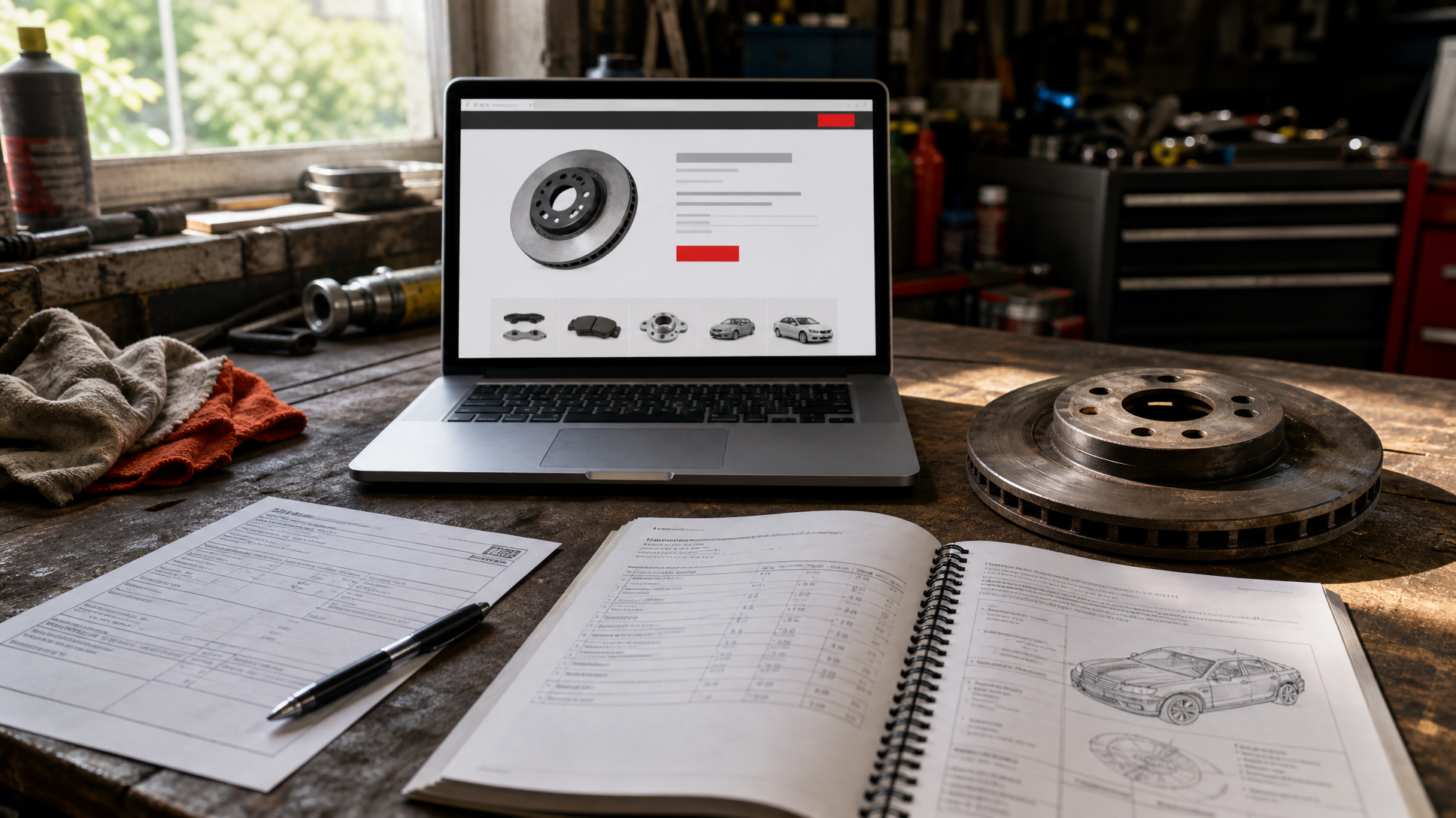
2. Brake Inspections: Ensure Reliable Stopping Power on Slippery Roads
Brakes are your frontline safety system, particularly on icy, snow-covered roads.
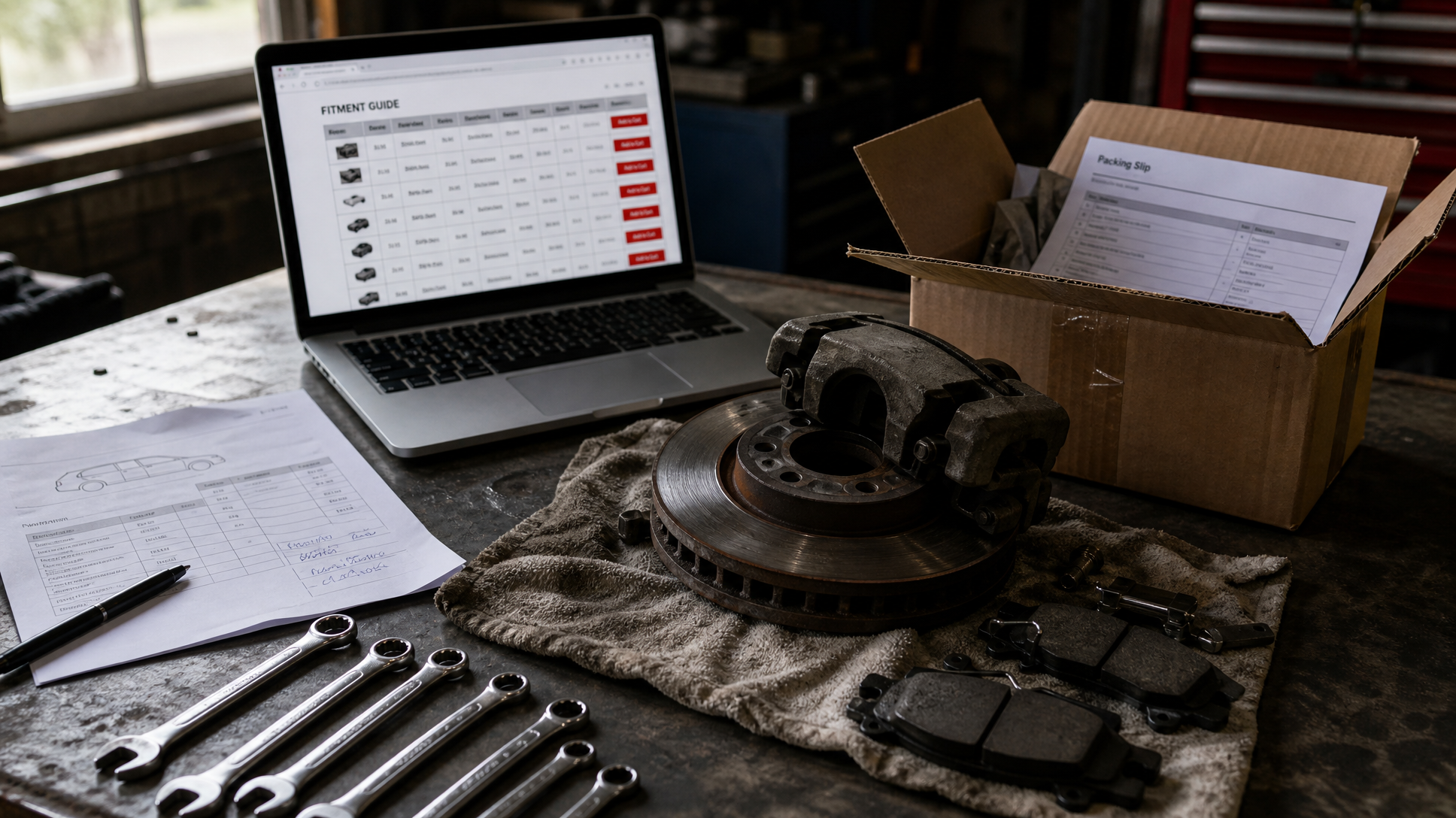
- Inspect at least annually or sooner if you detect a spongy pedal, unusual sounds, or the vehicle pulling when braking.
- Technicians will measure pad thickness, inspect rotors, and check brake fluid levels and condition.
- Replace brake fluid yearly to avoid contamination that reduces stopping efficiency.
Regular brake care prevents costly repairs and ensures trustworthy stopping power during winter driving.
Further reading: Winter Car Checklist – CAA Niagara, Prepare Your Car for Winter Driving – Continental Tires
3. Fluid Checks: Keep Your Vehicle Running Smoothly
Beyond engine oil, your car relies on multiple fluids to perform well and avoid damage.
- Coolant/Antifreeze: Prevents freezing and overheating. Check monthly during cold months and maintain a 50/50 mix.
- Brake Fluid: Vital for braking response. Inspect annually and top up or flush if dirty.
- Transmission Fluid: Supports smooth shifting; check during routine services.
- Windshield Washer Fluid: Use winter formulations to avoid freezing and maintain clear vision.
Always check fluids when the engine is cold and be mindful not to overfill. Inspect hoses and fittings for leaks or corrosion, especially after winter.
Further reading: 7-Point Checklist to Winterize Your Car – Canadian Tire, Prepare Your Car for Winter Driving – Continental Tires
4. Tire Care: Essential for Canadian Road Conditions
Your tires are critical for traction, safety, and efficiency on slippery and uneven surfaces.
- Winter Tires: Install when temps drop below 7°C (45°F). Quebec law requires them from December 1 to March 15.
- Tread Depth: Maintain at least 3–5 mm for safe grip on ice and snow.
- Tire Pressure: Check monthly as cold drops pressure; inflate to manufacturer specs.
- Rotation: Rotate tires every 8,000–10,000 km for even wear.
- Sidewall Inspection: Look for cracks or bulges, which weaken tires, especially post-winter pothole hazards.
Proper tire upkeep guarantees safer drives and better control on unpredictable Canadian roads.
Further reading: Winter Car Checklist – CAA Niagara, 7-Point Checklist to Winterize Your Car – Canadian Tire, Prepare Your Car for Winter Driving – Continental Tires
5. Seasonal Vehicle Upkeep: Preparing Your Car for Winter and Beyond
Winter’s challenges require extra attention. Taking these steps before the cold hits helps prevent breakdowns.
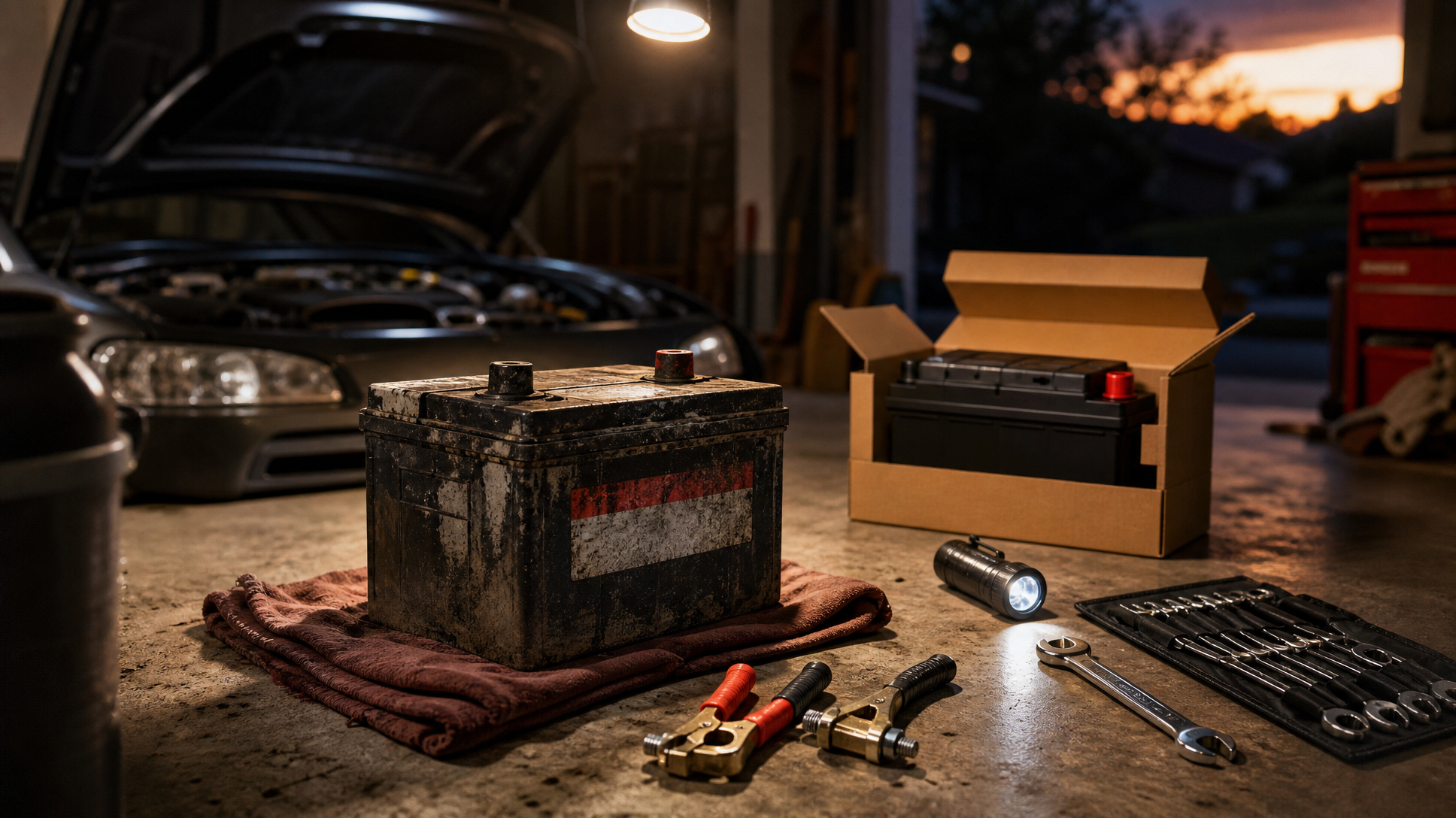
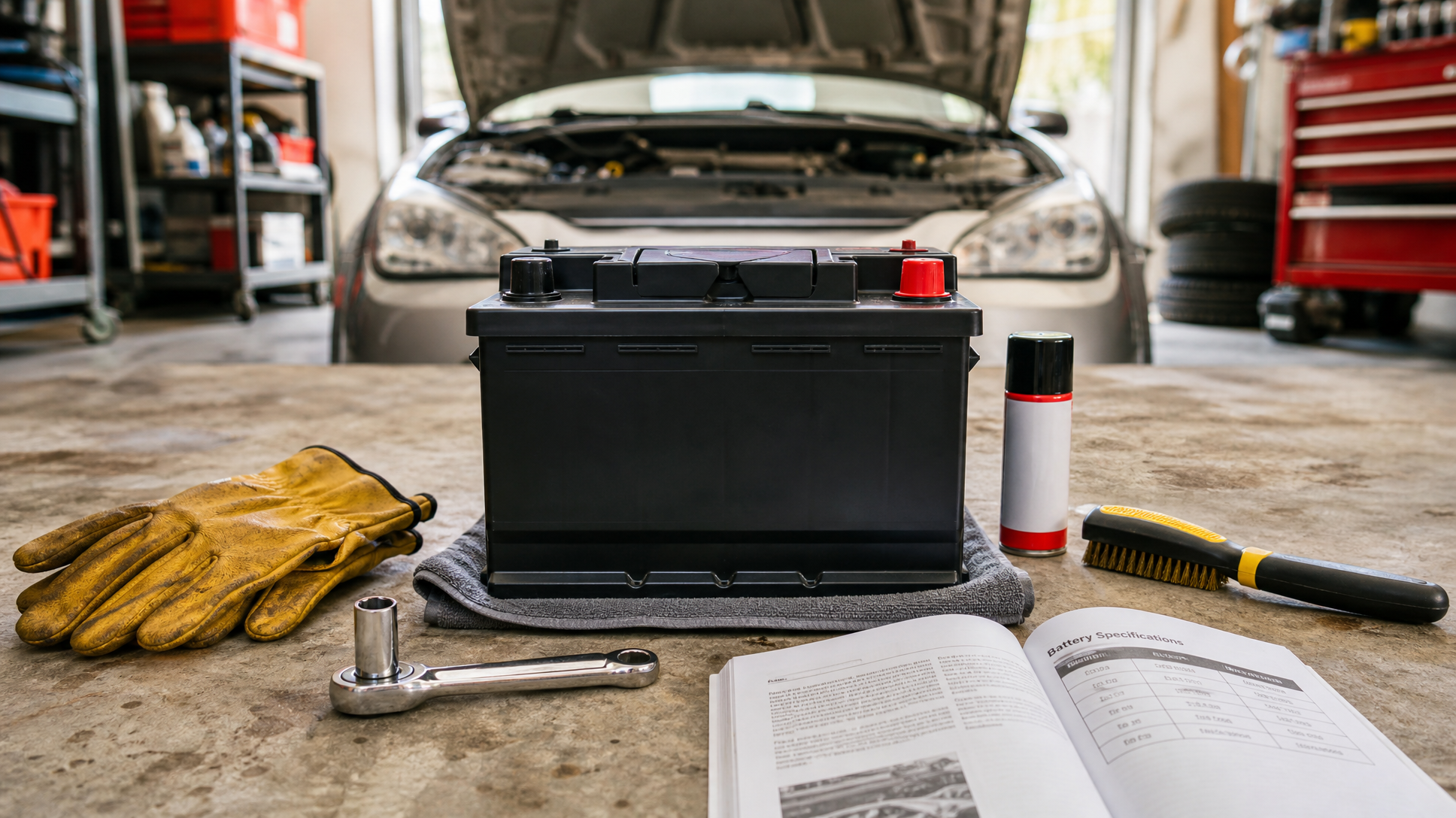
- Battery Care: Test annually, replace after 3–5 years or if signs of failure appear. Clean battery terminals with baking soda solution.
- Wiper Blades & Washer Fluid: Use winter blades and sub-zero washer fluid to maintain visibility.
- Lighting: Check all exterior lights and replace any burned-out bulbs promptly.
- Rust & Salt Management: Rinse underside weekly to remove corrosive salt. Consider protective sprays or undercoating.
- Other Tips: Change cabin air filters, lubricate locks and hinges, use rubber mats, keep gas tank half full, and carry an emergency kit.
- Professional Checkups: Schedule a full service inspection before winter and test drive afterward to verify performance.
These habits prepare your vehicle for the toughest Canadian seasons with confidence.
Further reading: Winter Maintenance Checklist – OSPE, Winter Driving Checklist – Trail Tire, 7-Point Checklist to Winterize Your Car – Canadian Tire
6. Visual Checks for Engine Components: Air Filters, Spark Plugs, and Belts
Regular quick inspections under the hood catch problems early.
- Air Filters: Hold to a light; if little passes through, replace to keep fuel economy optimal.
- Spark Plugs: Rough idle, misfires, or higher fuel use indicate worn plugs; typically replaced every 30,000–50,000 km.
- Serpentine Belts: Check for cracks, fraying or glazing. Failure can disrupt vital systems like alternator or power steering.
- Celebrate the season with savings — get 5% off your order using code EXCLUSIVE5 at checkout
Consult your mechanic if unsure or schedule inspections during routine servicing.
Further reading: Winter Maintenance Checklist – OSPE
7. Using Technology to Track Vehicle Maintenance: Apps and OBD2 Scanners
Modern tools help you stay organized and informed.
- Maintenance Apps: Track mileage, log services, and set reminders for oil changes, tire rotations, and more. Drivvo is one popular option.
- OBD2 Scanners: Affordable devices plug into your car’s diagnostic port, offering real-time error codes and alerting to issues before they worsen.
Leveraging technology reduces surprises and helps extend vehicle lifespan.
Further reading: Winter Maintenance Checklist – OSPE
8. Family-Friendly Car Care: Keeping Your Vehicle Clean and Comfortable
A tidy vehicle boosts comfort and reduces stress during family trips.
- Use seat-back organizers to store snacks, books, and electronics.
- Keep a small trash bin with wipes nearby for quick cleanups.
- Waterproof seat covers protect against pet or kid messes.
- Regularly vacuum or lint-roll to remove dust and crumbs.
- Clean windows inside and out and neutralize odors with air fresheners or baking soda.
- Fix small upholstery tears and replace dim interior bulbs promptly.
- Tighten loose knobs, vents, or cup holders with simple tools.
These small efforts make every journey more enjoyable and safe for all passengers.
Further reading: 7-Point Checklist to Winterize Your Car – Canadian Tire
9. Knowing When to Let Go: Junk Car Recycling and Environmental Responsibility
Sometimes the most responsible choice is to recycle your vehicle safely.
- If repair costs near or exceed value, or breakdowns become frequent, it’s time to consider recycling.
- Severe rust affecting structural integrity is a clear sign for replacement.
- Use certified scrap yards or programs like Pick-n-Pull to handle fluids, salvage parts, and dispose materials responsibly.
- Many offer cash or trade-in discounts—helping both your wallet and the planet.
Letting go responsibly supports sustainability and clears space for a reliable replacement vehicle.
Further reading: Winter Car Checklist – CAA Niagara
10. Building Routine Habits: Tools to Keep Consistent Maintenance on Track
Consistency is key for long-term vehicle health.
- Create printable schedules based on your manufacturer’s service intervals.
- Use smartphone calendar alerts to remind you of upcoming oil changes, tire rotations, or checks.
- Keep basic tools handy: tire pressure gauges, mileage logs, and an OBD2 scanner.
Simple routines keep maintenance manageable, even for those with busy schedules.
Conclusion: Take Charge of Your Vehicle’s Health Year-Round
In Canada’s demanding climate, effective car maintenance is not optional—it's a necessity. From timely oil changes and fluid checks to winter tire swaps and leveraging technology, every step safeguards safety and extends your vehicle’s lifespan. Combine practical know-how with routine habits and stay mindful of when to responsibly retire a car. With these strategies, your vehicle will be ready for whatever the Canadian road throws your way.
For trusted automotive and industrial accessories, explore Carkart—your reliable Canadian source.
FAQ
How often should I change my oil in Canadian winters?
Generally, follow your manufacturer’s recommendation of every 5,000 to 8,000 km or 6 to 12 months. Using synthetic oil during winter helps your engine start smoothly in low temperatures.
Are winter tires mandatory in Canada?
Winter tires are legally required in Quebec from December 1 to March 15. In other provinces, they are strongly recommended for safety when temperatures fall below 7°C (45°F).
Can I check my brake fluid myself?
You can inspect brake fluid levels visually through the reservoir, but testing fluid quality or flushing is best done by a professional for safety reasons.
What is the best way to prevent rust during winter?
Rinse the underside of your vehicle weekly to remove salt and grime. Consider applying protective sprays or undercoating before winter to form an extra barrier against corrosion.
How can I use technology to stay on top of car maintenance?
Maintenance apps like Drivvo help track mileage and service tasks with alerts. OBD2 scanners provide instant diagnostic info by reading your car’s onboard computer, allowing early issue detection.