Cart
0
Essential Winter Car Care and Maintenance Tips for Safe Holiday Travel
Winter driving poses unique challenges. Cold temperatures, icy roads, and limited visibility can affect your safety and your vehicle’s performance. Proper winter car care and maintenance ensure a trouble-free holiday journey, covering everything from tires and battery to fluids, visibility, and emergency preparedness.
- Use winter tires for improved traction in cold weather and snow.
- Test and maintain your battery to avoid cold-start failures.
- Keep all fluids at appropriate levels with winter-grade options.
- Inspect brakes, suspension, and visibility systems regularly.
- Prevent corrosion from road salt with frequent washing and rust protection.
- Stock a winter emergency kit for safety on winter roads.
- Consider professional winterization services for thorough preparation.
- Plan routes, fuel stops, and allow extra travel time in winter conditions.
Table of Contents
- 1. Tire Care for Winter Safety and Traction
- 2. Battery Maintenance for Cold-Weather Starting
- 3. Fluids Check: Engine Oil, Coolant, Brake Fluid, and Washer Fluid
- 4. Brake and Suspension Inspection for Winter Driving
- 5. Visibility Enhancements: Wipers, Lights, and Defrosters
- 6. Protecting Your Vehicle from Salt and Corrosion
- 7. Building a Winter Emergency Car Kit
- 8. Professional Winterization Services for Peace of Mind
- 9. Planning Your Winter Journey for Safety and Convenience
1. Tire Care for Winter Safety and Traction
Your tires are the first line of defense on slippery winter roads. Proper tire care is crucial to reduce skidding risks and maintain control.
Why Winter Tires Matter
Winter tires are designed with specialized rubber compounds and deeper treads that stay flexible below 7°C (45°F). This flexibility helps grip snow and ice, shortens braking distances, and improves stability. Look for the 3-Peak Mountain Snowflake symbol to confirm suitability for severe snow conditions. If your region regularly experiences harsh winters, switching to winter tires is one of the smartest upgrades.
Checking Tire Tread and Pressure
Worn tread compromises traction. Perform the penny test: Insert a penny with Lincoln's head upside down into your tire tread grooves — if the top of his head is visible, it's time to replace your tires. Also, tire pressure drops approximately 1 PSI for every 10°F decrease in temperature. Underinflated tires suffer poor grip and uneven wear. Check pressures monthly and inflate to manufacturer specs, including the spare tire.
Tire Rotation and Storage
Rotate tires every 5,000 to 8,000 kilometers to promote even wear and extend lifespan. After winter, store tires in a cool, dry place out of sunlight to prevent damage.
Read more about winter tire maintenance
2. Battery Maintenance for Cold-Weather Starting
Cold temperatures reduce your battery’s efficiency by slowing chemical reactions, making starts more difficult.
Testing and Cleaning Your Battery
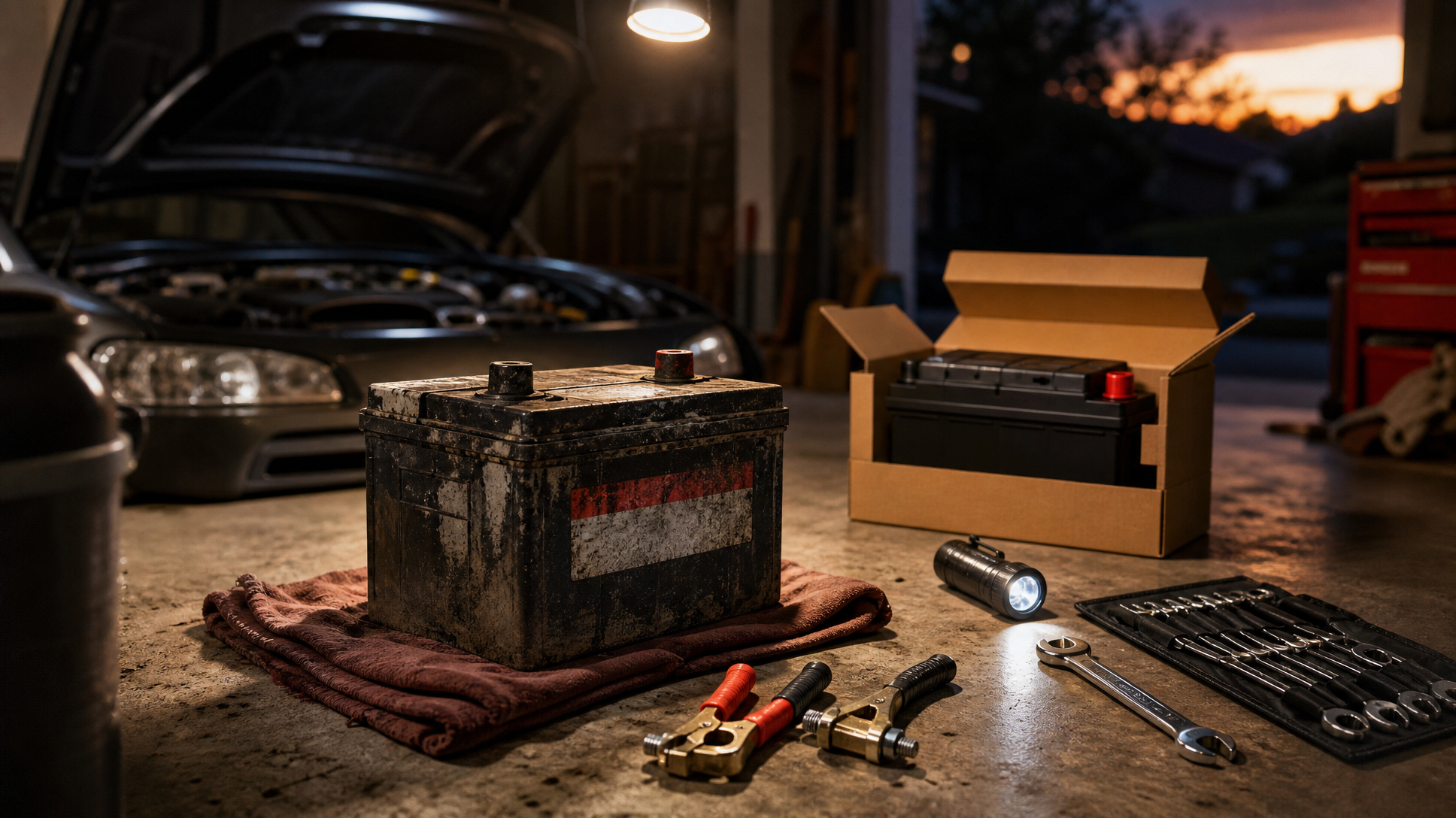
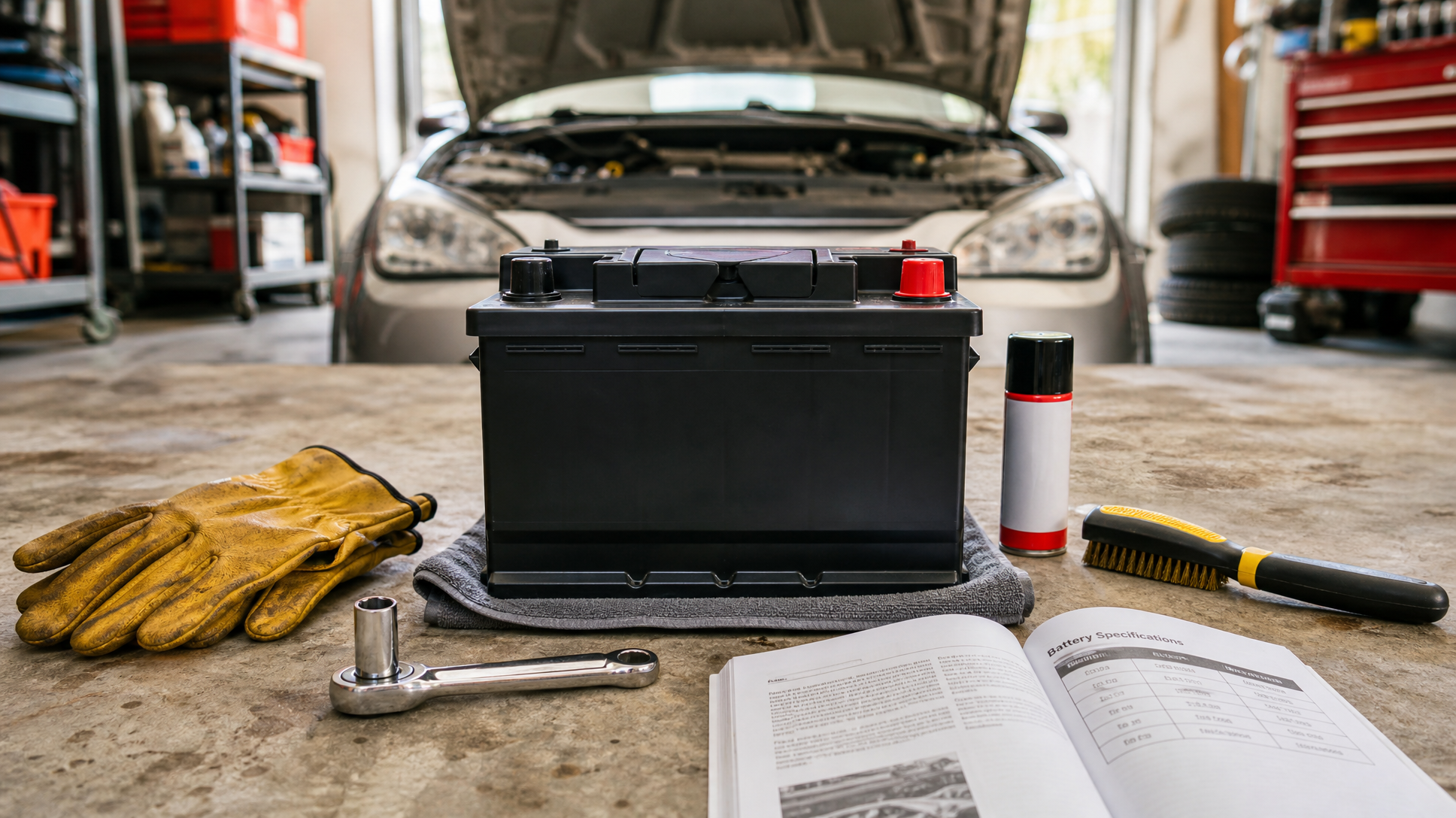
If your battery is 3–5 years old, have it load-tested to check its charge capacity. Corroded terminals weaken electrical connections; look for white or green deposits and clean them with a wire brush and a baking soda-water mix for strong contact.
Battery Insulation Tips
Use a battery blanket or insulation sleeve to retain battery warmth and improve cold-weather performance, reducing the risk of a dead battery.
3. Fluids Check: Engine Oil, Coolant, Brake Fluid, and Washer Fluid
Proper fluid maintenance ensures your vehicle runs smoothly in cold weather. Fluids can thicken or freeze if not properly managed.
Engine Oil for Better Cold Starts
Switch to synthetic or lower-viscosity oil for easier cold starts. These oils flow more rapidly in low temperatures, reducing engine wear during startup.
Coolant and Antifreeze Balance
Maintain your coolant at proper levels with a 50:50 antifreeze-to-water mix to prevent freezing and overheating.
Brake Fluid Maintenance
Brake fluid absorbs moisture over time, reducing braking efficiency. Check and replace fluid at least every two years to ensure safety on icy roads.
Winter-Grade Windshield Washer Fluid
Use a winter-rated washer fluid to prevent freezing in lines and on glass. Carry a refill bottle during long trips or storms.
Further guidance on winter fluids
Additional winter prep tips
4. Brake and Suspension Inspection for Winter Driving
Brakes and suspension must perform flawlessly on slick roads to keep you safe.
Brake Inspection
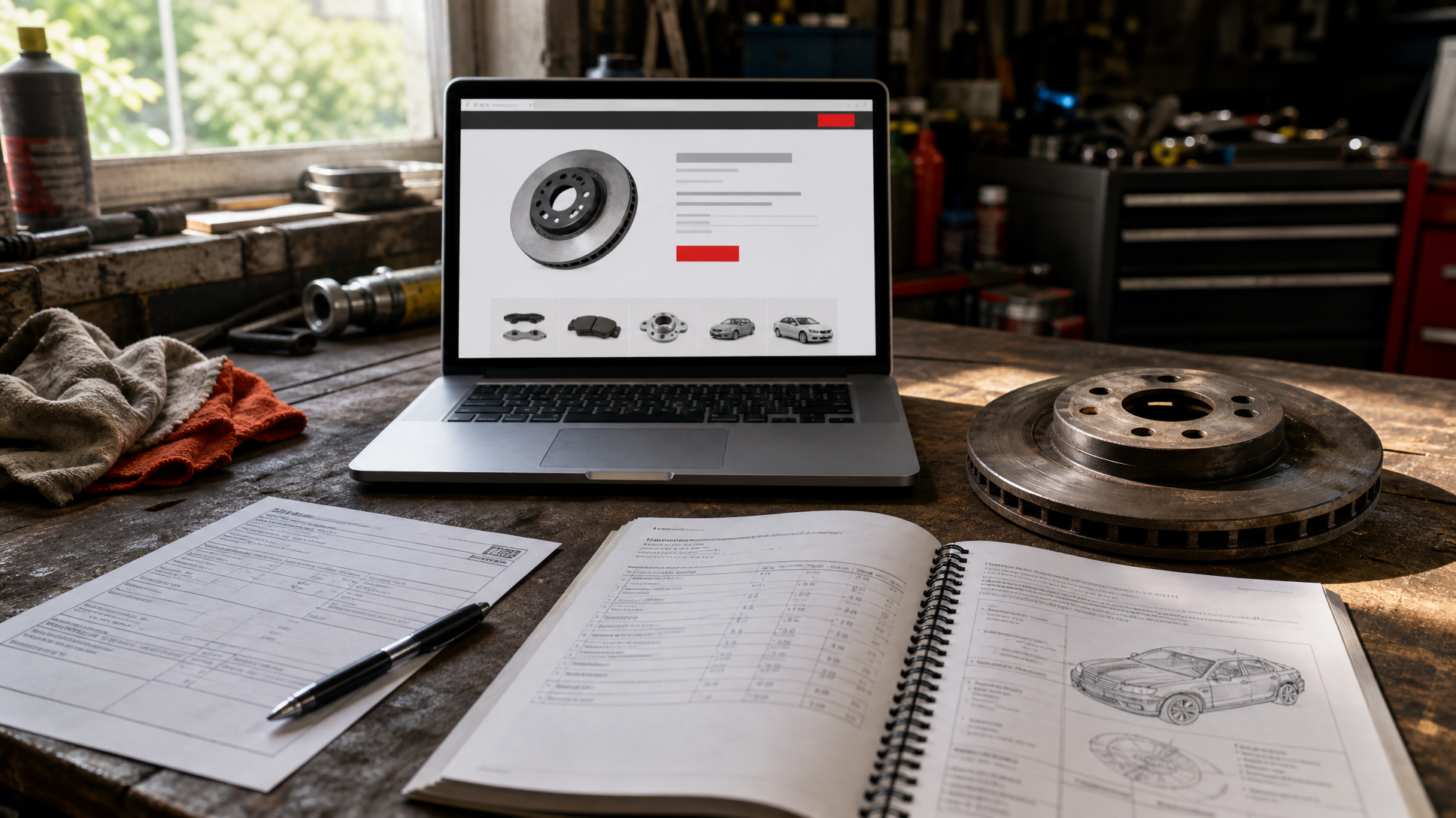
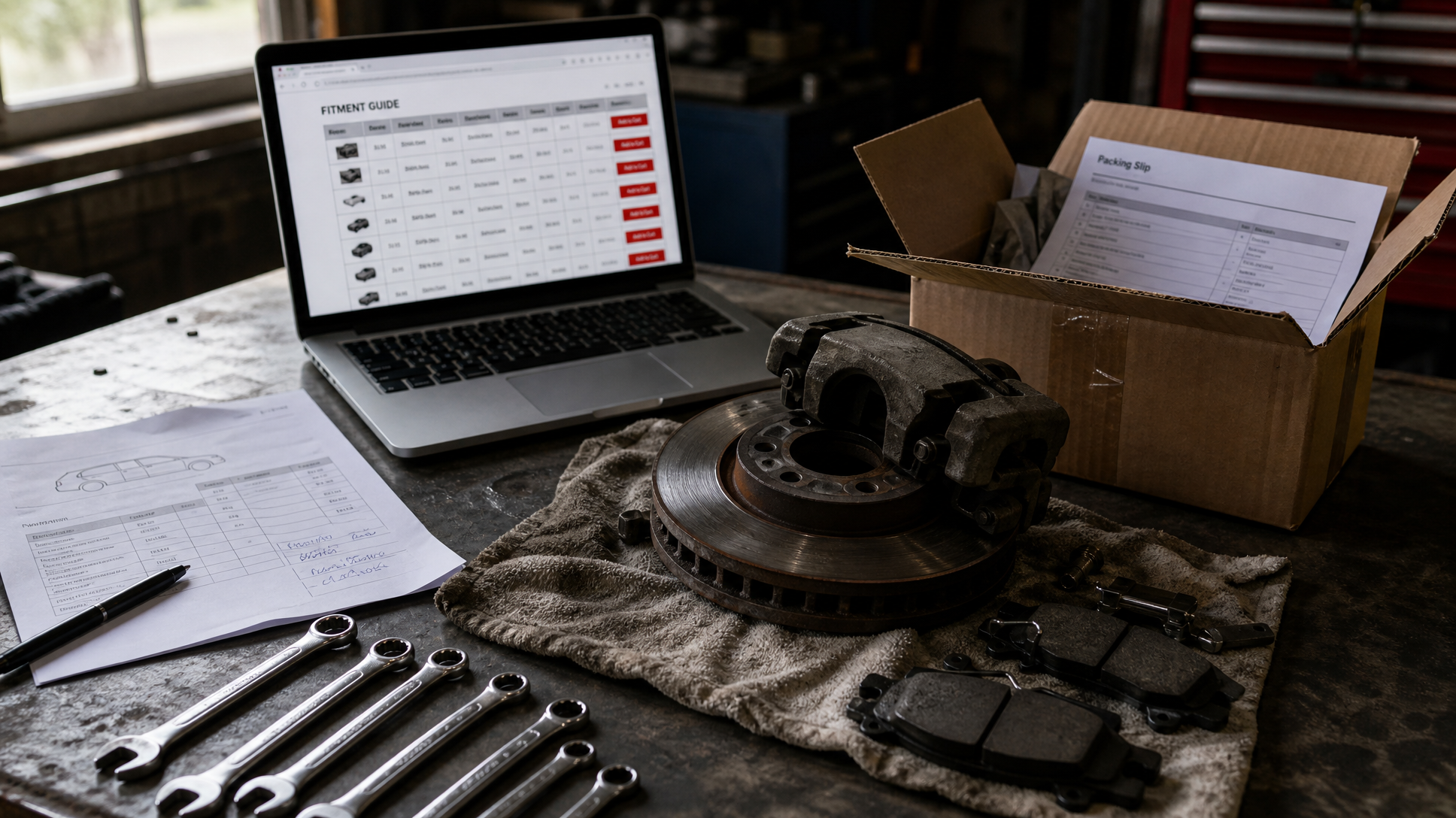
Check brake pads, rotors, and shoes for wear or warping. Watch for grinding noises, vibrations during braking, or ABS warning lights—these indicate maintenance is needed.
Suspension Components
Winter potholes increase strain on shocks and struts. Inspect these parts for leaks or damage to maintain smooth rides and consistent tire contact.
A closer look at winter brake and suspension care
5. Visibility Enhancements: Wipers, Lights, and Defrosters
Clear visibility is critical when daylight is short and weather conditions change quickly.
Winter Windshield Wipers
Replace old blades with winter wiper blades that resist ice buildup. Consider lifting wipers off the windshield overnight to prevent freezing.
Lighting Checks
Ensure all lights (headlights, brake lights, signals, tail, and reversing lights) are operational. Clean lenses regularly to maximize visibility to and from your vehicle.
Heater and Defroster Performance
Test your heater, defroster, and cabin air filter. A well-functioning defroster is essential for clearing frost and condensation quickly.
Explore more visibility upgrades
6. Protecting Your Vehicle from Salt and Corrosion
Road salt is necessary for de-icing but damages your car’s underside and metal parts.
Washing and Waxing
Wash your car frequently in winter, paying special attention to the undercarriage. Touchless car washes with underbody rinse offer thorough cleaning without harming paint. Apply wax or paint sealant before winter to protect your finish.
Rust Protection
Consider annual underbody rust protection treatments in snowy regions to guard vulnerable components against moisture and salt.
More tips on corrosion prevention
7. Building a Winter Emergency Car Kit
Unpredictable winter roads demand a well-stocked emergency kit to keep you safe and comfortable.
Essential Items to Include
- Warm blanket and extra clothing
- Flashlight with spare batteries
- Bottled water and non-perishable snacks
- Jumper cables or portable jump starter
- Compact shovel and ice scraper/snow brush
- Kitty litter or sand for traction on ice
- Basic first aid kit and small tool kit
- Phone charger (vehicle adapter or power bank)
- Reflective triangles or road flares
Store the kit in your trunk and check it seasonally to replace expired or missing items.
Download a complete emergency kit checklist (PDF)
8. Professional Winterization Services for Peace of Mind
While many checks can be done at home, professional winterization ensures no detail is missed.
What to Expect in a Winterization Service
- Full inspection of belts, hoses, exhaust, and suspension
- Battery load testing and terminal cleaning
- Coolant system and fluid checks
- Tire assessment, rotation, and winter tire installation
- Brake and lighting system evaluation
- Windshield wiper and washer system servicing
Services from shops like Yeargan’s Automotive and Trail Tire combine thoroughness and convenience, making them a smart investment before busy winter trips.
Explore winterization service options
9. Planning Your Winter Journey for Safety and Convenience
Preparation is more than vehicle readiness. Smart trip planning is key to winter travel safety.
Fuel and Rest Stops
Plan your route to include gas stations and rest areas, especially for long rural drives. Cold weather increases fuel use, so keep your tank topped.
Allow Extra Travel Time
Snowplows, slow traffic, and reduced speeds can delay arrival. Build in extra time to avoid rushing or risky driving.
Monitoring Weather and Road Conditions
Use weather apps, radio updates, or road authority websites to track conditions. If weather looks dangerous, consider rescheduling.
Conclusion
Celebrate the season with savings — get 5% off your order using code EXCLUSIVE5 at checkout
Proper winter car care reduces breakdowns, improves safety, and provides peace of mind during cold-weather travel. Focus on tires, battery, fluids, brakes, and visibility. Prepare for emergencies and protect your vehicle from corrosion with routine maintenance. Professional winterization services offer a comprehensive approach, while careful trip planning adds an extra layer of safety.
This winter, equip yourself and your vehicle to handle whatever the season brings.
Discover more in-depth winter car care tips from Carkart
FAQ
Q1: Do I really need winter tires if I have all-season tires?
Winter tires are specially designed to perform better than all-season tires in freezing temperatures, snow, and ice. They provide superior grip and shorter stopping distances below 7°C (45°F), greatly improving safety in harsh winter conditions.
Q2: How often should I check my tire pressure in winter?
Tire pressure drops about 1 PSI for every 10°F drop in temperature, so check tire pressure at least once a month in winter, and adjust to manufacturer recommendations including the spare tire.
Q3: What should be included in a winter emergency car kit?
A comprehensive winter emergency kit includes warm blankets, extra clothing, flashlight with batteries, water, non-perishable snacks, jumper cables, a shovel, ice scraper, traction aids like kitty litter or sand, first aid supplies, tools, phone charger, and reflective safety devices.
Q4: Can I prepare my car for winter myself, or should I use a professional service?
Many winter prep tasks such as checking fluids, tires, and basic maintenance can be done at home. However, professional winterization services provide thorough inspections and preventive care, which can be especially beneficial before long trips or in extreme climates.
Q5: How can I protect my car from salt corrosion during winter?
Regularly wash your car’s exterior and undercarriage during winter to remove salt buildup. Applying wax or paint sealant before winter and getting an annual underbody rust protection treatment help guard against corrosion effectively.