Cart
0
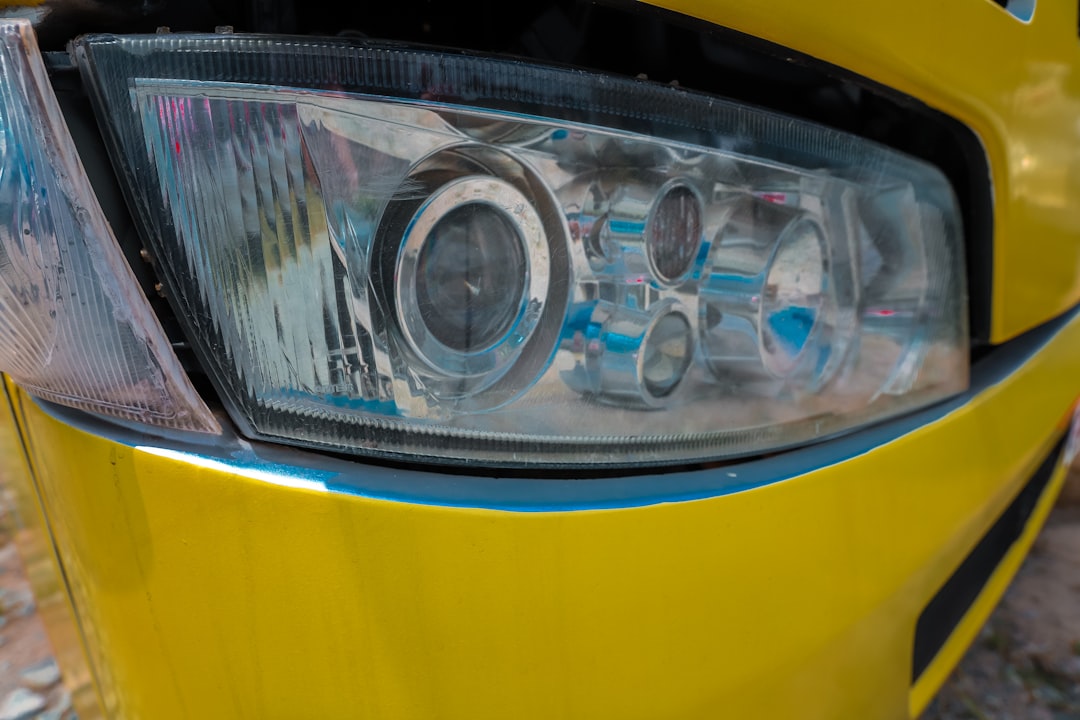
Choosing between halogen and LED car headlights can define your driving experience, balancing cost, efficiency, and safety. This comprehensive guide breaks down the essentials, advantages, and considerations for both headlight types to illuminate your decision-making process.
Key Takeaways
- Halogen headlights are affordable, widely available, but less efficient and have a shorter lifespan.
- LED headlights offer superior brightness, energy efficiency, longer lifespan, and advanced adaptive features but come with a higher upfront cost.
- Energy efficiency of LEDs contributes to better vehicle performance and environmental sustainability, especially in electric cars.
- Legal regulations restrict the retrofitting of LED bulbs into halogen housings; compliant LED assemblies are manufacturer-approved.
- Market trends heavily favor LED headlights, particularly in premium and electric vehicles.
Table of Contents
- 1. The Basics: Halogen vs. LED Headlights Explained
- 2. Importance of Energy Efficiency
- 3. Comparison of Visibility and Safety
- 4. Considering Costs and Replacements
- 5. The Detail in Legislative Compliance
- 6. Usage Trends and Market Analysis
- 7. Wrapping Up: A Headlight Selection for Every Need
- FAQ
1. The Basics: Halogen vs. LED Headlights Explained
Selecting the best headlights is crucial for a safe and comfortable driving experience. Halogen and LED headlights both serve this vital function but differ significantly in technology, efficiency, and performance.
Halogen Lights - The Traditional Option
Introduced in the 1960s, halogen headlights remain common, especially in older and budget vehicles. They produce light by running electricity through a tungsten filament inside a gas-filled bulb, resulting in a warm, yellowish glow.
- Light Output: Warm, yellowish illumination.
- Energy Consumption: Only 20% of electricity converts to light; the rest is lost as heat.
- Heat Emission: High heat release affects overall energy efficiency.
- Lifespan: Usually lasts 500–1,000 hours.
- Replacement Cost: Affordable, typically £5–£20 per bulb.
While economical upfront, halogen bulbs lag in brightness, range, and energy efficiency, which can be a disadvantage in modern cars, especially electric models prioritizing energy conservation.
LED Lights - The Future of Car Lighting
LED headlights use semiconductors to generate crisp, bright white light, resembling daylight. Increasingly featured in new luxury and electric vehicles, they provide numerous benefits that are reshaping automotive lighting.
- Light Quality: Bright, white, daylight-like illumination.
- Efficiency: Converts 80–90% of electricity into light with low heat loss.
- Heat Production: Minimal heat helps reduce electrical strain.
- Lifespan: Often exceeds 10,000 hours, over ten times longer than halogen.
- Replacement Cost: Expensive, around £700–£900 per full assembly.
- Customization: Supports advanced features like adaptive and matrix lighting.
LED headlights significantly improve visibility and reduce eye fatigue, enhancing safety by enabling quicker risk detection.
2. Importance of Energy Efficiency
LED lights excel in energy efficiency, transforming the majority of electricity into light rather than heat, unlike halogen bulbs.
- LEDs convert 80–90% of electrical energy into visible light.
- Low heat output reduces stress on electrical systems, enhancing durability.
- In electric vehicles, LEDs contribute to improved fuel economy by lowering power consumption.
- Compact LED designs help reduce aerodynamic drag, boosting vehicle efficiency.
The enhanced energy efficiency of LED headlights supports longer vehicle component life, lower operational costs, and reduced environmental impact.
3. Comparison of Visibility and Safety
LED headlights deliver brighter, more focused light that closely mimics natural daylight, significantly improving nighttime visibility and safety compared to halogen lamps.
- Enhanced Road Visibility: Better illumination of road signs and surroundings.
- Reduced Eye Fatigue: White light helps maintain driver alertness during long nighttime journeys.
- Adaptive Lighting: Matrix LED systems can adjust beam patterns dynamically to prevent glare for oncoming traffic.
- Improved Safety: Superior lighting reduces accident risks in low visibility conditions.
"Many drivers report a noticeable improvement in night vision and comfort after replacing halogen bulbs with LEDs, contributing significantly to safer driving experiences."
4. Considering Costs and Replacements
Budget constraints often influence headlight choice. While halogen lights are inexpensive upfront, LED headlights' total cost-effectiveness manifests over time through longevity and efficiency.
- Halogen Bulbs: £5–£20 per bulb; require replacement every 1–3 years; simple, low-cost maintenance.
- LED Assemblies: £150–£900 per full unit; designed to last many years; replacement is complex and costly due to integrated components.
Though pricier, LED headlights can result in long-term savings and improved vehicle performance, especially appealing for those seeking extended operational efficiency.
5. The Detail in Legislative Compliance
Legal restrictions play a crucial role in the halogen vs. LED debate. Retrofitting LED bulbs into halogen housings is often illegal due to improper beam patterns causing glare and safety hazards.
- UK’s Ministry of Transport strictly prohibits non-compliant LED upgrades in halogen fixtures.
- Failures in vehicle inspections (MoT) result if illegal conversions are detected.
- Manufacturer-approved LED headlight assemblies ensure legal compliance and safety.
- Aftermarket LED retrofit kits face certification challenges limiting their acceptance.
Vehicle owners must consult local laws and opt for approved LED systems to avoid penalties and ensure road safety.
6. Usage Trends and Market Analysis
LED headlights now dominate more than 60% of new vehicle introductions worldwide, reflecting a clear shift in industry and consumer preference.
- Premium and electric vehicles largely feature LED lighting for efficiency and customization.
- Halogen lights remain common in economical and used vehicles due to lower upfront costs.
- Aftermarket demand for LED kits grows but is restricted by regulatory and technical hurdles.
- User reviews highlight tangible benefits in visibility and comfort after switching to LEDs.
- Future forecasts predict widespread adoption of adaptive matrix LED technologies across the automotive sector.
7. Wrapping Up: A Headlight Selection for Every Need
The choice between halogen and LED headlights depends on your individual budget, vehicle type, and local regulations. Understanding performance, cost implications, and legal factors will help tailor the best lighting solution for your driving needs.
Balancing these considerations, LED headlights emerge as a forward-looking option offering superior efficiency and safety, while halogen headlights remain viable for budget-conscious drivers and older vehicles.
For more detailed guidance and available LED products, visit trusted automotive retailers and community forums to enhance your knowledge and drive safely into the future.
FAQ
What are the main differences between halogen and LED headlights?
Halogen headlights produce warm yellow light using a tungsten filament and halogen gas but are less energy-efficient and have shorter lifespans. LED headlights use semiconductor technology to emit bright white light with high energy efficiency and a much longer lifespan.
Are LED headlights legal to install on cars with halogen housings?
In most regions, including the UK, installing LED bulbs in halogen housings is illegal because the light beam pattern can cause glare. Only manufacturer-approved LED headlight assemblies are compliant with legal standards.
Which headlight type is more energy-efficient?
LED headlights are significantly more energy-efficient, converting 80–90% of electricity into light, whereas halogen bulbs convert only about 20%, with the rest wasted as heat.
Do LED headlights improve safety on the road?
Yes. LEDs provide brighter, more focused, and daylight-like illumination that improves night visibility, reduces driver eye fatigue, and supports adaptive lighting systems, all contributing to enhanced road safety.
Are LED headlights more expensive than halogen ones?
The initial purchase price of LED headlight assemblies is higher (£150–£900) compared to halogen bulbs (£5–£20). However, LEDs last longer and save energy, potentially offsetting higher upfront costs over time.
Explore reliable sources and automotive retailers for approved LED headlights and upgrades to make an informed, safe, and cost-effective choice.