Cart
0
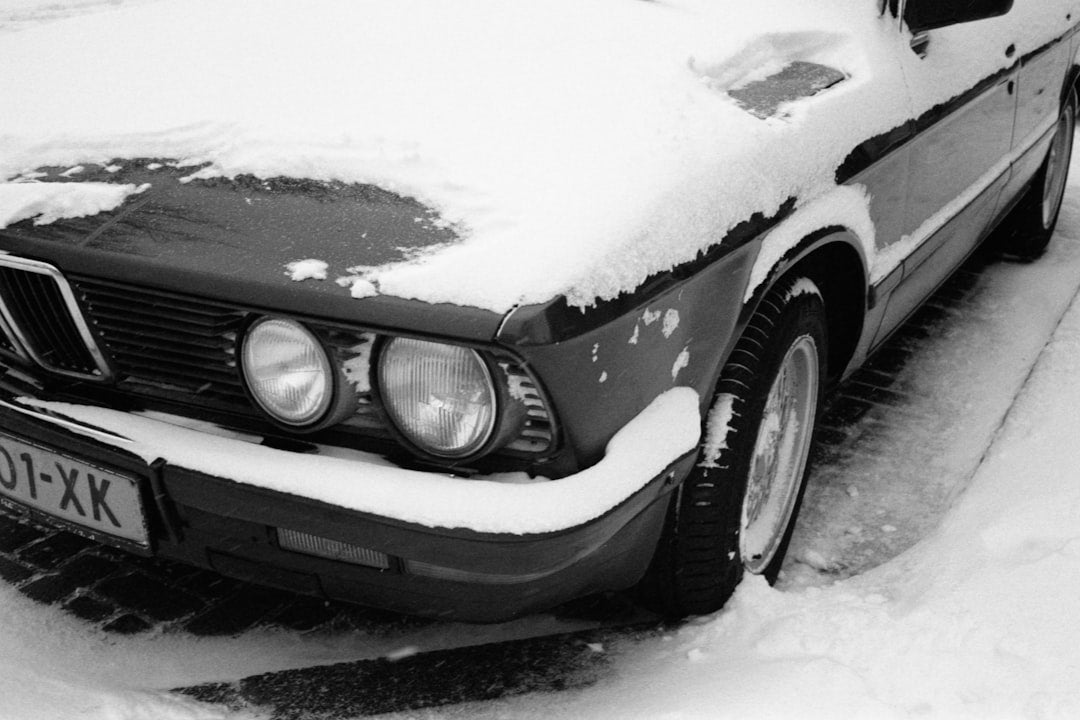
Winter Car Care Essentials: How to Prepare Your Vehicle for Cold Weather
Winter brings unique challenges for your vehicle—from freezing temperatures to slippery roads. Proper preparation ensures safety, reliability, and performance throughout the cold months.
Key Takeaways
- Cold weather significantly impacts battery power and tire traction;
- Switching to winter tires and maintaining tire pressure improves control on snow and ice;
- Using winter-grade fluids and checking all levels prevents freezing and engine damage;
- Specialized wiper blades and visibility tools enhance safety in harsh winter conditions;
- A well-stocked emergency kit and proper winter driving habits reduce risk during unexpected events.
Table of Contents
- 1. Battery Maintenance: Keep Your Car Starting Strong in Winter
- 2. Tires and Traction: How to Maintain Control on Snow and Ice
- 3. Fluid Maintenance: Protect Your Engine and Systems in Winter
- 4. Winter Wiper Blades and Visibility Tools: See Clearly in Snow and Ice
- 5. Snow Removal Tools and Emergency Kits: Be Ready for Winter Surprises
- 6. Winter Driving Tips: Adjusting Habits for Safety
- Conclusion: Be Proactive With Winter Car Care
- FAQ
1. Battery Maintenance: Keep Your Car Starting Strong in Winter
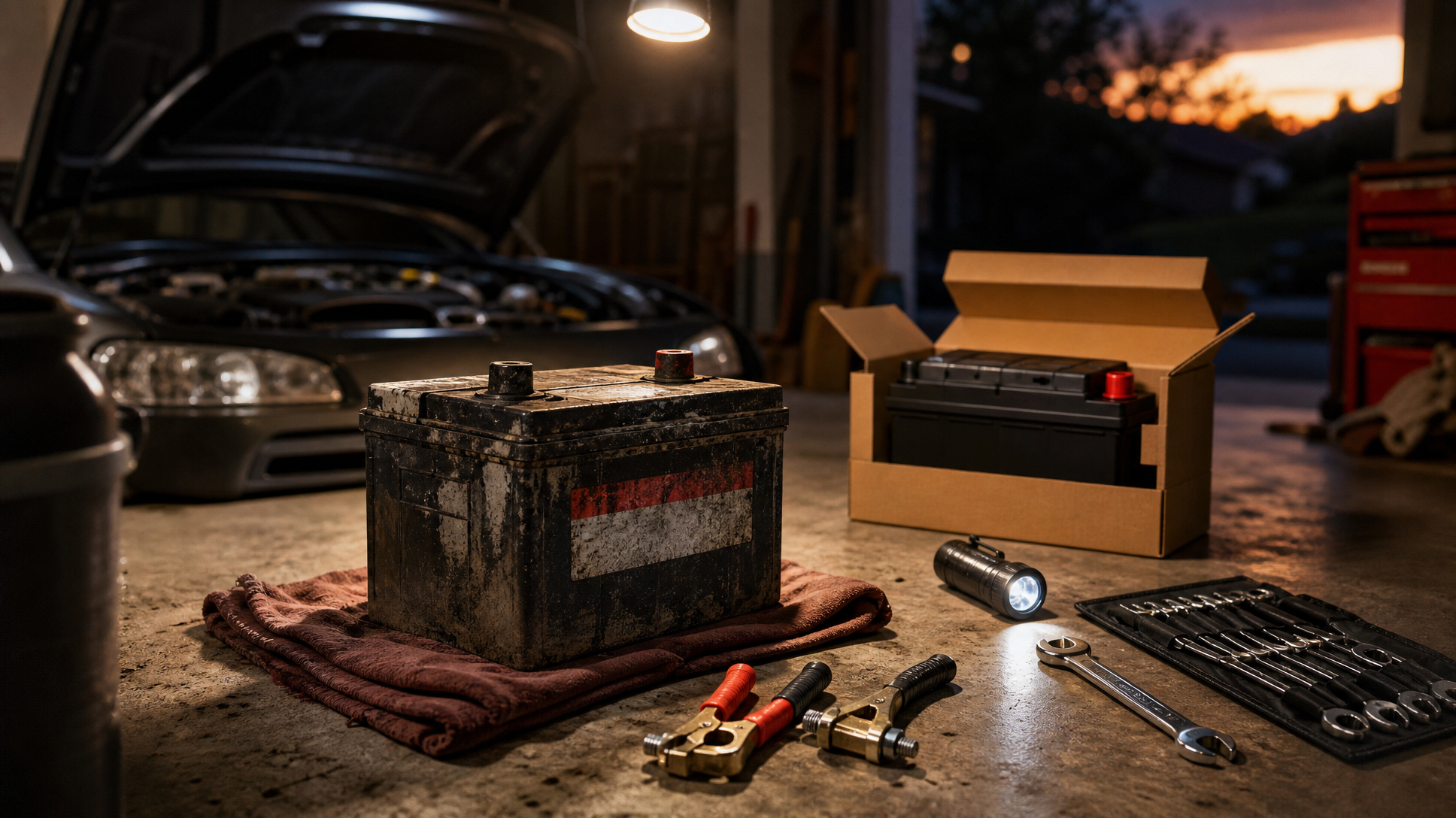
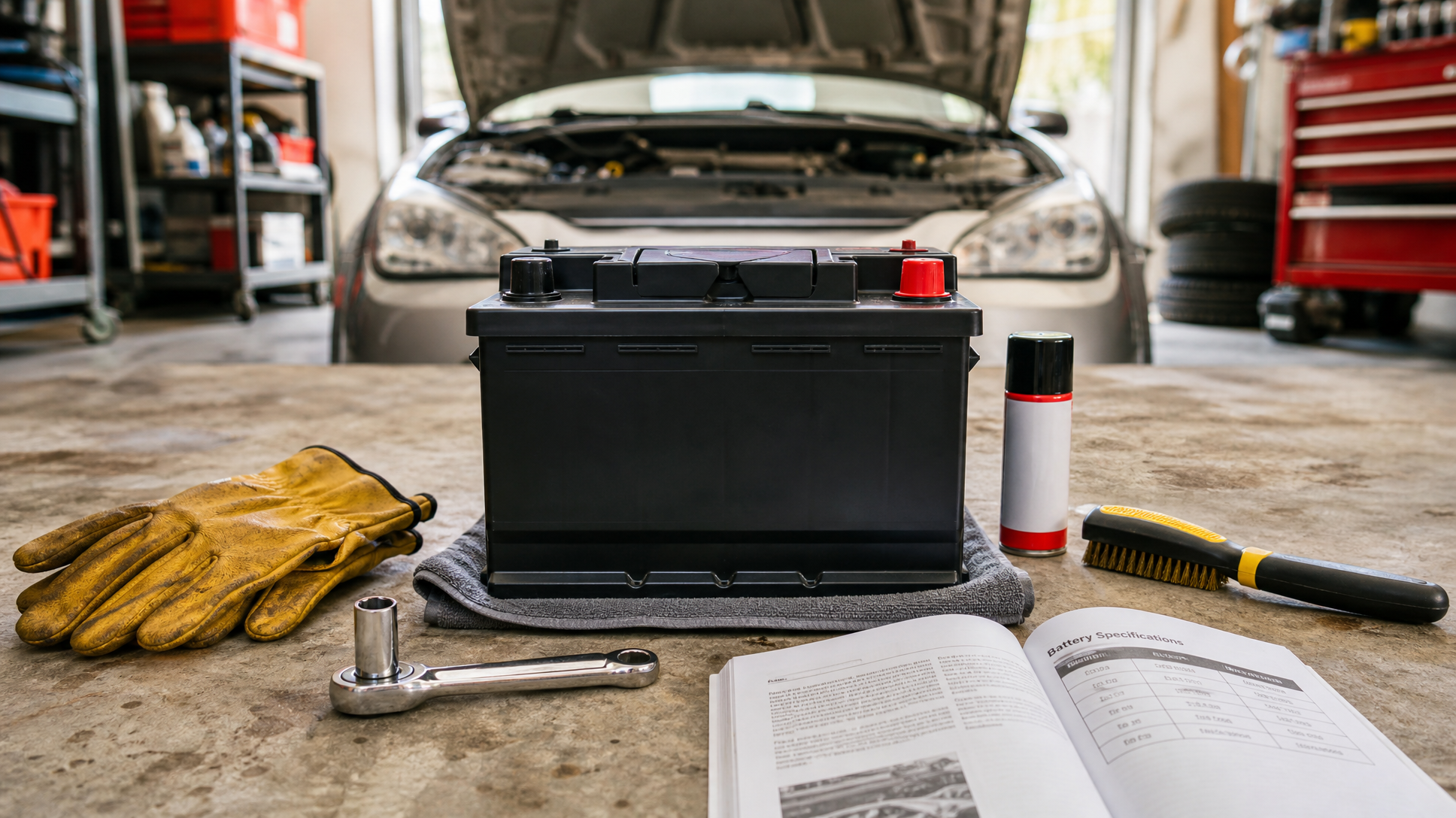
Cold temperatures drain battery power and increase engine starting demands. To avoid unexpected failures, give your battery special attention during winter.
- Drive regularly: Aim for 15–30 minutes of driving weekly to keep the battery charged.
- Use a smart trickle charger: Maintain your battery’s voltage if the vehicle is unused for long periods.
- Check Cold Cranking Amps (CCA): Higher CCA ratings improve starting power in cold weather.
- Protect your battery: Garage parking or battery blankets help retain heat and extend battery life.
- Clean terminal connections: Remove corrosion that can block electrical flow.
- Carry a lithium jump starter: A compact emergency booster is handy when jump-starting is needed.
Tip: If your battery is over three years old, have it checked professionally to reduce winter failure risks.
For detailed advice, see battery maintenance tips from Exide.
2. Tires and Traction: How to Maintain Control on Snow and Ice
Your tires are critical for safety on slippery winter roads. Using the right type of tires and maintaining proper pressure can make all the difference.
- Switch to winter tires: Choose tires designed to stay flexible and grip snow and ice.
- Check tire pressure often: Pressure drops about 1 psi for every 10°F decrease, affecting control and tire wear.
- Use a tire inflator with gauge: Portable inflators help maintain pressure during winter drives.
- Carry traction aids: Chains, snow socks, or traction boards assist in getting unstuck.
- Inspect tread depth: Replace tires with less than 6/32" tread for safety.
Improve winter performance and safety by prioritizing tire maintenance. Learn more at this essential winter tire guide from Men's Journal.
3. Fluid Maintenance: Protect Your Engine and Systems in Winter
Fluids behave differently in cold weather and can affect engine performance and safety. Proper checks and adjustments are necessary before winter arrives.
- Antifreeze/coolant: Maintain a ratio rated to at least -37°C (-34°F), and use a tester to confirm.
- Switch to synthetic oil: Flows better in cold, easing starts.
- Use winter-grade washer fluid: Prevent freezing to keep your windshield clear.
- Check brake and transmission fluids: Ensure proper levels and fluid health to maintain system responsiveness.
For comprehensive fluid care, visit Anchor Nissan's guide to winter fluid checks.
4. Winter Wiper Blades and Visibility Tools: See Clearly in Snow and Ice
Visibility is your first line of defense on winter roads. Use specialized tools to keep your windshield clear and maintain safe sightlines.
- Install winter wiper blades: Designed to resist icing and maintain flexibility in cold.
- Use windshield de-icer sprays: Quickly melts frost for faster morning starts.
- Stock rugged snow brushes and scrapers: Extendable, ergonomic designs protect glass while removing snow and ice.
- Check heater and defroster systems: Ensure effective climate control for visibility and comfort.
Explore visibility tools at Anchor Nissan's winter visibility gear.
5. Snow Removal Tools and Emergency Kits: Be Ready for Winter Surprises
Winter emergencies require quick, effective responses. Equip your car with tools and supplies that keep you safe and mobile.
Essential Snow Removal Tools
- Foam-headed snow brushes for gentle clearance.
- Collapsible shovels for digging out stuck wheels.
- Ergonomic ice scrapers for thick ice removal.
Emergency Winter Driving Kit Components
- LED flashlights or headlamps for visibility in the dark.
- Insulated gloves and warm blankets for warmth during delays.
- Reflective triangles and flares to alert other drivers.
- Portable phone chargers to stay connected.
- Traction aids like sand, cat litter, or mats.
- Water and portable snacks for sustenance.
Create a kit tailored to your needs. Learn more about assembling one at Men's Journal’s winter prep article.
6. Winter Driving Tips: Adjusting Habits for Safety
Your driving approach must change in winter to match road conditions and vehicle performance.
- Start slowly: Warm the engine and clear all frost before moving.
- Leave more space: Increase following distance to account for longer stopping times.
- Brake gently: Apply steady pressure to avoid skids.
- Use low beams in snow or fog: Avoid glare and improve visibility.
- Skip cruise control: Maintain full control over acceleration and braking.
- Wash regularly: Remove salt and grime, especially under the car, to prevent corrosion.
- Monitor tire pressure and battery health: Check more often due to temperature fluctuations.
Adopting these habits adds safety layers to your winter driving. Find more tips at Anchor Nissan's winter safety guide.
Celebrate the season with savings — get 5% off your order using code EXCLUSIVE5 at checkout
Conclusion: Be Proactive With Winter Car Care
Winter car care is essential to protect yourself, your passengers, and your vehicle. From battery checks to emergency kit preparation, taking these steps ahead of time reduces breakdown risks and improves your confidence on cold, slippery roads.
Start today with a simple winter car care checklist, and enjoy peace of mind all season long.
Explore quality automotive and industrial accessories for winter readiness at Carkart.
FAQ
How long does a car battery typically last in cold weather?
Car batteries usually last around three to five years, but cold temperatures can reduce their effective life. Winter demands more power to start engines, so batteries older than three years should be checked to avoid unexpected failures.
Why should I switch to winter tires instead of using all-season tires?
Winter tires are made with special rubber compounds that stay flexible in freezing temperatures and have tread patterns designed to grip snow and ice. All-season tires harden in cold weather and lose traction, increasing risk on slippery roads.
Can I use regular windshield washer fluid in winter?
Regular washer fluid can freeze in cold conditions, potentially clogging your system. Use winter-grade washer fluid formulated to resist freezing and keep your windshield clear.
What are the must-have items for an emergency winter car kit?
Essential items include a snow brush and ice scraper, flashlight or headlamp, insulated gloves, warm blanket, reflective triangles or flares, portable phone charger, traction aids (sand or mats), water, and snacks. These help you stay safe and prepared during unexpected delays.