Cart
0
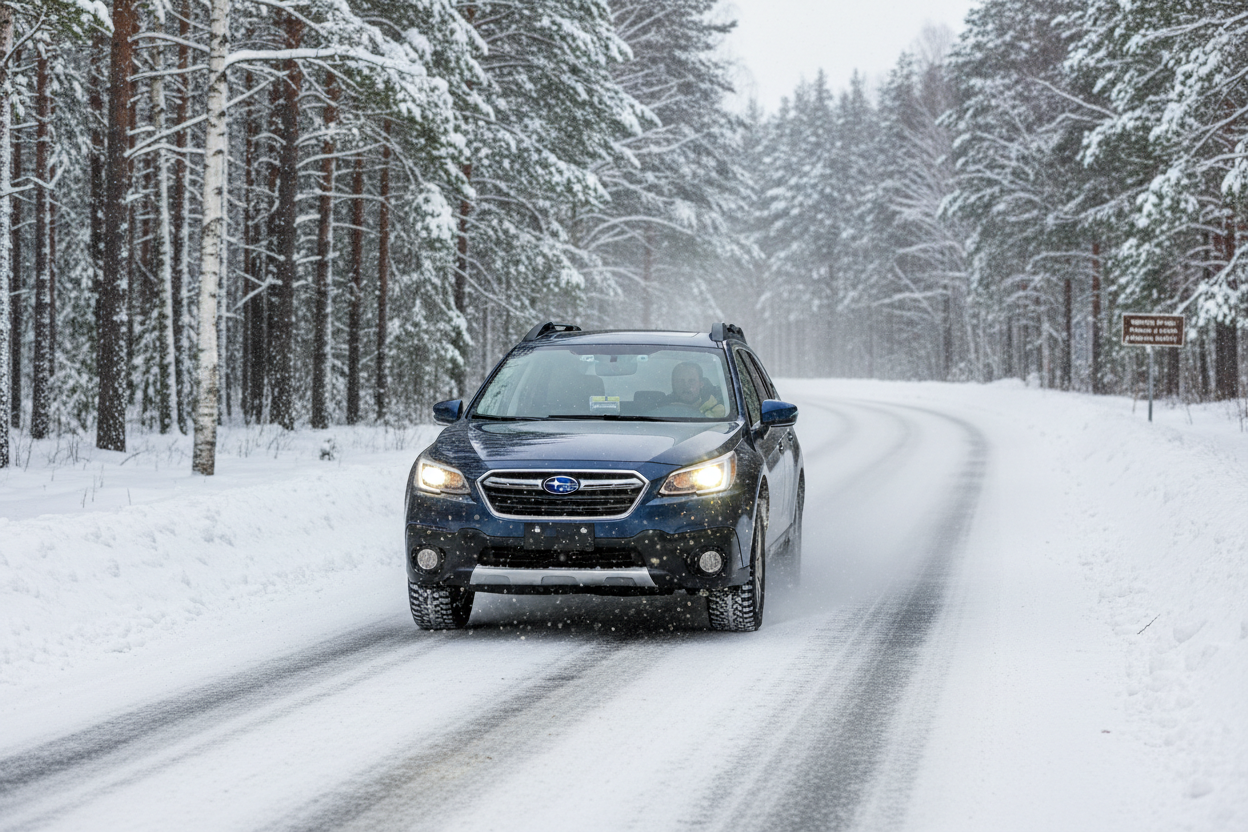
Winter driving demands more than just skill—it requires thorough vehicle preparation and thoughtful habits to navigate snow, ice, and cold temperatures safely.
Essential Winter Vehicle Safety and Maintenance Tips for Cold Weather Driving
Key takeaways
- Winter tires significantly improve traction on icy and snowy roads.
- Battery health is critical; test and replace old batteries to avoid stalls in cold weather.
- Adjust fluids, like using cold-weather motor oil and freeze-resistant washer fluid.
- Maintain clear visibility with winter wiper blades and fully functional lights.
- Always carry a comprehensive winter emergency kit and adapt driving behaviors for safety.
Table of contents
- 1. Understanding Winter Driving Risks and Safety
- 2. Winter Tires and Traction: Choosing the Right Set
- 3. Battery and Electrical System Maintenance in the Cold
- 4. Fluids and Engine Maintenance for Winter Reliability
- 5. Maintaining Visibility and In-Vehicle Controls
- 6. Emergency Winter Safety Kit: Be Ready When the Unexpected Happens
- 7. Adjusting Driving Behavior for Winter Road Safety
- 8. Pre-Trip Prep and Post-Storm Vehicle Care
- 9. Professional Inspections and Recall Checks
- Conclusion: Plan Ahead for a Safer Winter Drive
1. Understanding Winter Driving Risks and Safety
Winter roads are fraught with hazards—reduced traction, limited visibility, and icy surfaces can unexpectedly challenge even experienced drivers. In 2023, snow or sleet contributed to hundreds of fatal and thousands of injury crashes nationwide, underscoring the seriousness of winter conditions. Taking safety precautions can make all the difference.
Key Winter Driving Safety Practices
- Reduce your speed: Slower speeds increase your reaction time.
- Increase following distance: Allow extra stopping space on icy roads.
- Stay clear of snow plows: Give plows room and avoid passing unless necessary.
- Use low beams: Help visibility without glare in snowy or foggy conditions.
- Know how to handle skids: Steer gently toward your intended path and avoid sudden braking.
Modern technologies like antilock brakes (ABS) and traction control help but don’t replace cautious driving. For detailed safety advice, check the NHTSA’s winter driving resource.
2. Winter Tires and Traction: Choosing the Right Set
Your tires are the only part of your vehicle touching the road, making them critical for winter safety. All-season tires lack the specialized design of winter tires, which are built to perform in freezing temperatures and snowy conditions.
Why Winter Tires Make a Difference
Winter tires use softer rubber compounds that remain flexible in the cold, along with deeper treads to channel snow and slush away—improving grip and vehicle control.
Tire Safety Tips for Winter
- Check tread depth: Perform the penny test to ensure adequate grip.
- Manage tire pressure: Inflate tires per manufacturer recommendations since cold lowers pressure.
- Equip all four wheels: Winter tires on all wheels provide balanced handling.
- Review UTQGS ratings: Use the Uniform Tire Quality Grading System to compare tires effectively.
Learn more about selecting winter tires at Farm Bureau Insurance.
3. Battery and Electrical System Maintenance in the Cold
Cold temperatures sap battery power—at 0°F, batteries lose about half their cranking ability compared to warmer days. Older batteries are especially prone to failure, risking being stranded on frigid mornings.
Winter Battery Care Tips
- Test your battery: Get a load test if it's older than three years.
- Clean the terminals: Remove corrosion to maintain strong electrical connections.
- Replace early: Change batteries approaching 3–5 years to avoid unexpected failure.
- Electric vehicles (EVs): Cold reduces range; plug in overnight to keep battery performance optimal.
Keep your battery reliable with tips from the AAA Winter Car Care Checklist.
4. Fluids and Engine Maintenance for Winter Reliability
Appropriate fluids prevent freezing and keep your engine running smoothly. Winter-ready fluids ensure your vehicle starts reliably and is protected from cold stress.
Important Fluid Checks and Changes for Winter
- Antifreeze/coolant: Maintain a 50/50 mix or follow your owner's manual for regional advice.
- Cold-friendly motor oil: Use lower-viscosity oils such as 5W-20 or 5W-30 for better cold starts.
- Washer fluid: Use freeze-resistant fluid to keep windshields clear.
- Brake, transmission, and steering fluids: Check levels and quality based on manufacturer recommendations.
Find more winter fluid maintenance tips at the Bureau of Automotive Repair’s winter checklist.
5. Maintaining Visibility and In-Vehicle Controls
Clear sightlines and responsive vehicle controls are vital in winter’s challenging conditions. Ensuring your lights, wipers, and controls work properly reduces risks on dark, snowy days.
Visibility Tips for Winter Conditions
- Check all exterior lights: Confirm headlights, taillights, turn signals, and fog lights are clean and operational.
- Upgrade to winter wiper blades: Designed to clear ice and snow more effectively.
- Use ice scrapers properly: Avoid using wipers on thick ice to prevent damage.
- Secure floor mats: Prevent mats from slipping under pedals, which can cause accidents.
More visibility tips are available at the NHTSA winter driving tips.
6. Emergency Winter Safety Kit: Be Ready When the Unexpected Happens
Being stuck in freezing weather is dangerous without supplies. A well-equipped emergency kit can provide warmth, traction, and communication tools until help arrives.
Essentials for Your Winter Emergency Kit
- Shovel, broom, ice scraper, and kitty litter or sand for traction.
- Jumper cables and a reliable flashlight with extra batteries or a crank option.
- Warm blankets, sleeping bags, extra gloves, hats, and footwear.
- Cell phone charger, first aid kit, and basic medications.
- At least one gallon of bottled water and non-perishable snacks like granola bars.
- Reflectors or road flares for signaling.
- Bonus items: tow strap or rope and even a deck of cards for passing time.
Keep your gas tank at least half full or your EV battery above 50% to avoid running out during delays. See a complete winter kit checklist for more.
7. Adjusting Driving Behavior for Winter Road Safety
Even the best-equipped car requires prudent driving in winter. Smooth, deliberate actions prevent accidents on slippery surfaces.
Safe Driving Tips for Winter Conditions
- Slow down: Lower speeds improve control on slick roads.
- Increase following distance: Allow three to four times more space to stop.
- Ease into acceleration and braking: Sudden moves increase skid risk.
- Skip cruise control: Manual control helps maintain safety on icy patches.
- Be cautious on hills and bridges: Use momentum going uphill and low gears downhill.
- Recovering from a skid: Stay calm, steer toward where you want to go, and avoid abrupt braking.
Always wear your seatbelt and never drive under the influence. If involved in a crash, stay inside your vehicle if safe. For more behavior tips, visit Intermountain Healthcare’s winter driving tips.
8. Pre-Trip Prep and Post-Storm Vehicle Care
Simple preparation before and after winter drives preserves vehicle function and boosts safety.
Before You Hit the Road
- Clear ice and snow from all windows, mirrors, lights, and the vehicle roof.
- Secure floor mats to prevent them from slipping under pedals.
- Confirm all lights and windshield wipers are functioning properly.
After the Storm
- Use touchless car washes with undercarriage cleaning to remove corrosive salt and chemicals.
- Wash your vehicle regularly to prevent rust and corrosion.
Additional preparation tips can be found in Pellman’s 10-step winter checklist.
9. Professional Inspections and Recall Checks
Professional inspections help identify and fix issues before winter worsens them, ensuring reliable performance.
Essential Maintenance Before Winter
- Battery and charging system evaluations.
- Cooling system inspection.
- Heater and defroster checks.
- Brake performance and ABS functionality assessments.
- Condition inspection of belts, hoses, and wear signs.
Check for recalls that may affect your vehicle’s safety using the NHTSA Recall Lookup Tool.
Conclusion: Plan Ahead for a Safer Winter Drive
Winter driving is safer and less stressful when you prepare your vehicle and adjust your habits ahead of time. From selecting the right tires to topping off fluids, managing battery health, maintaining clear visibility, and carrying a well-stocked emergency kit—no detail is too small. Equipping yourself with knowledge and proper maintenance enables you to meet winter’s challenges with greater confidence and control.
Drive smart and ready your vehicle now to ensure every winter journey is a safe one.
FAQ
- Q1: When should I switch to winter tires?
- Switch to winter tires when temperatures consistently drop below 45°F, typically in late fall before snow and ice arrive.
- Q2: How often should I check my tire pressure in winter?
- Check tire pressure monthly and before long trips, as cold weather causes pressure to drop.
- Q3: What should be included in a winter emergency kit?
- Include tools like a shovel, ice scraper, jumper cables, warm blankets, food and water, lighting, and communication devices.
- Q4: Can I use cruise control on icy roads?
- No, it’s best to avoid cruise control in slippery conditions to maintain full control of your vehicle.
- Q5: How do I recover from a skid?
- Stay calm, steer gently in the direction you want the car to go, and avoid sudden braking until traction is regained.