Cart
0
How to Maintain Vehicle Paint: Expert Tips for Long-Lasting Protection and Shine
A pristine paint job isn’t just about looks—it’s your vehicle’s first defense against environmental damage. This guide covers proven techniques and modern solutions to keep your car’s paint vibrant, protected, and valuable for years.
Key Takeaways
- Regular washing using safe methods is essential for paint longevity.
- Waxing, sealants, ceramic, and graphene coatings offer increasing levels of protection and shine.
- Paint Protection Film (PPF) provides physical defense against chips and scratches.
- Promptly attending to minor damage prevents rust and costly repairs.
- Professional detailing enhances paint condition and maintains value.
Table of Contents
- Why Maintaining Vehicle Paint Matters
- Proper Washing Techniques to Protect Vehicle Paint
- Waxing Your Car: Traditional Protection and Gloss
- Paint Sealants: A Longer-Lasting Protective Layer
- Ceramic Coatings for High-End Vehicle Paint Protection
- Cutting-Edge Vehicle Paint Protection: Graphene Coatings and Paint Protection Film (PPF)
- How to Handle Minor Scratches and Chips Quickly
- Routine Paint Inspections for Early Damage Detection
- Combining Cleaning, Waxing, Sealants, and Coatings for Best Results
- How Professional Auto Body and Detailing Services Help Preserve Vehicle Paint
- Summary: Your Action Plan for Maintaining Vehicle Paint
Why Maintaining Vehicle Paint Matters
Your vehicle’s paint is more than a cosmetic feature; it safeguards the metal body from environmental damage. Without care, UV rays, dirt, rain, sap, and road debris degrade this shield, causing fading, oxidation, and blemishes that may lead to rust and structural problems.
- Protects Against Rust and Corrosion: Chips expose bare metal, inviting moisture and salt to accelerate decay.
- Prevents Fading and Oxidation: UV exposure dulls paint quality over time.
- Preserves Resale Value: A well-maintained exterior signals overall care.
- Maintains Visual Appeal: Routine upkeep keeps your vehicle looking sharp.
Think of paint care as an ongoing process combining cleaning, protection, and repair.
Proper Washing Techniques to Protect Vehicle Paint
Regular washing removes dirt and contaminants that degrade paint surfaces. Follow these expert tips:
- Use the Two-Bucket Method: Separate shampoo solution and rinse water to avoid reapplying dirt.
- Choose pH-Neutral Car Shampoo: Avoid household detergents that strip wax and damage paint.
- Microfiber Wash Mitt: Soft fibers remove grime safely without scratching.
- Dry with Clean Microfiber Towels: Prevent water spots and swirl marks.
- Avoid Automated Harsh Car Washes: Abrasive brushes can erode protective layers.
Promptly remove bird droppings and sap to prevent acidic damage.
Recommended Washing Supplies
- pH-neutral car shampoo
- Microfiber wash mitt and drying towels
- Two buckets (wash and rinse)
- Soft detailing brushes for trim and seams
For coated cars, use compatible maintenance shampoos to preserve coatings. Learn more about paint protection types.
Waxing Your Car: Traditional Protection and Gloss
Waxing adds a protective layer and enhances shine, shielding paint from sun damage and minor wear.
- UV Protection: Guards against fading.
- Water Beading: Helps moisture roll off to reduce spots.
- Easier Cleaning: Dirt has less grip on waxed surfaces.
- Gloss Enhancement: Deepens color vibrancy.
- Celebrate the season with savings — get 5% off your order using code EXCLUSIVE5 at checkout
Types and Frequency: Reapply every 2–3 months. Options include paste, liquid, spray; carnauba wax offers warm finish but shorter durability, whereas synthetic waxes last longer.
Effective Waxing Tips
- Apply in shade on a cool surface.
- Use soft foam pads.
- Work in small areas then buff with microfiber towels.
- Never wax over dirt or water.
Explore advanced options like ceramic and graphene coatings.
Paint Sealants: A Longer-Lasting Protective Layer
Synthetic sealants bond chemically to paint, offering durable, weather-resistant protection lasting 6 to 12 months or more.
- Resists oxidation, UV, and pollutants better than wax.
- Creates a slick, glossy finish.
- Easy application.
Application includes a thorough wash, clay bar treatment, drying, even coverage, curing, and buffing.
Sealants are perfect for those wanting extended protection without frequent upkeep. For more, visit Excelsior Detailing’s guide.
Ceramic Coatings for High-End Vehicle Paint Protection
Nano-ceramic coatings create a permanent, resilient layer that lasts 2 to 5 years, repelling dirt and guarding against UV damage and oxidation.
- Hydrophobic surface for easy cleaning.
- UV and chemical resistance to prevent fading and stains.
- Glossy, glass-like finish.
- Less frequent washing needed.
Preparation must be meticulous, removing wax, sealants, and defects. Professional application is recommended for longevity and optimal results.
Ceramic coatings reduce swirl visibility but don’t fully prevent scratches. Learn more on ceramic vs other protection options.
Cutting-Edge Vehicle Paint Protection: Graphene Coatings and Paint Protection Film (PPF)
Modern nanotechnologies offer outstanding durability and defense:
Graphene Coatings
- 5–10 years of protection, surpassing ceramic coatings.
- Heat dispersion reduces water spots.
- High chemical and UV resistance.
- Anti-static properties repel dust.
Ideal for hot climates and demanding usage. Compare graphene options here.
Paint Protection Film (PPF)
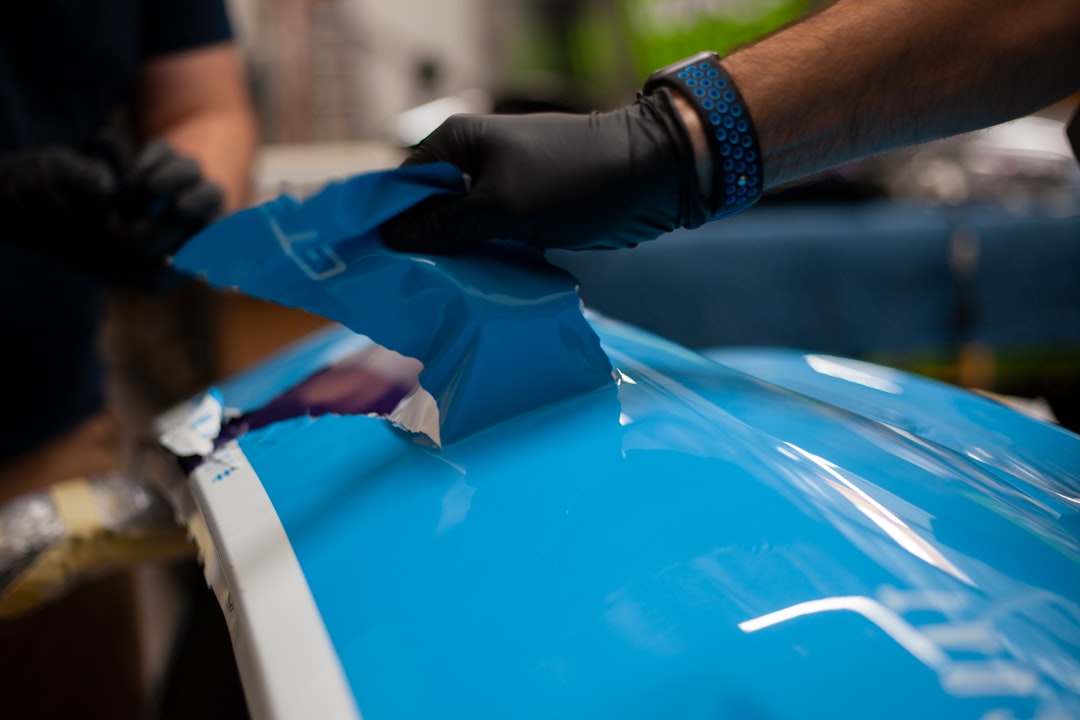
- Durable, clear film shielding vulnerable areas from physical damage.
- Self-healing minor scratches with heat.
- Protects against chips, salt, and chemicals.
- Commonly applied to hoods, bumpers, mirrors, and edges.
Many owners layer PPF with ceramic or graphene coatings for combined physical and chemical defense. Though upfront cost is higher, it can prevent costly paint repairs. Learn about benefits of PPF here.
How to Handle Minor Scratches and Chips Quickly
Acting fast stops small blemishes from worsening and causing rust.
- Inspect Monthly: Look after long drives.
- Clean Before Repair: Dirt-free surface ensures adhesion.
- Use DIY Scratch Repair Kits: Suitable for light scratches and swirls.
- Apply Touch-Up Paint: Match your paint code precisely.
- Polish Minor Scuffs: Light abrasives restore shine.
For deeper damage, seek expert detailing. More tips available at Barry’s Auto Body.
Routine Paint Inspections for Early Damage Detection
Regular checks catch issues before serious damage.
- Use bright natural or LED light.
- Feel for rough patches or raised chips.
- Magnify to detect faint scratches.
- Check door jambs, rocker panels, and wheel arches thoroughly.
Pro shops offer inspection and gloss testing services for tailored care recommendations.
Combining Cleaning, Waxing, Sealants, and Coatings for Best Results
Layered protection strategies maximize durability and aesthetics.
- Weekly/Bi-weekly: Gentle washes remove grime.
- Every 3 Months: Reapply wax or spray sealant.
- Semiannually: Refresh sealants or perform paint decontamination.
- Annually/Biannually: Apply or renew ceramic or graphene coatings.
- As Needed: Inspect and repair chips or scratches promptly.
Additional options include paint correction, PPF, and wheel coatings. See Excelsior Detailing’s comprehensive care guide.
How Professional Auto Body and Detailing Services Help Preserve Vehicle Paint
Pros bring precision and quality resources unmatched by DIY efforts.
- Paint Renewal & Correction: Remove swirls and oxidation for depth restoration.
- Scratch Repair & Touch-Up: Seamlessly blend imperfections.
- Premium Coating Installation: Ensure optimal ceramic or graphene application.
- Precision PPF Installation: Custom-fit for high-impact zones.
- Exterior Restoration: Headlight cleaning, trim care, and more.
Professionals also provide maintenance guidance and package deals for full exterior preservation. Details on expert paint renewal available online.
Summary: Your Action Plan for Maintaining Vehicle Paint
Maintaining your vehicle’s paint demands consistency and informed care, yielding a car that looks superb, resists damage, and retains value.
- Wash regularly with safe, pH-neutral products.
- Apply wax or choose longer-lasting sealants every few months.
- Upgrade protection with ceramic, graphene, or PPF as budgets allow.
- Inspect monthly and repair paint chips or scratches quickly.
- Combine layered protections for maximum defense.
- Rely on professionals for advanced detailing and repairs.
For expert advice and quality products, visit trusted sources such as Detail Artist and Excelsior Detailing. To explore coatings, book services, or install PPF, connect with your local auto care professional.
Maintaining your vehicle’s paint is an investment in its longevity and resale value—not just aesthetics.