Cart
0
The Parking Lot Wake-Up Call Nobody Wants
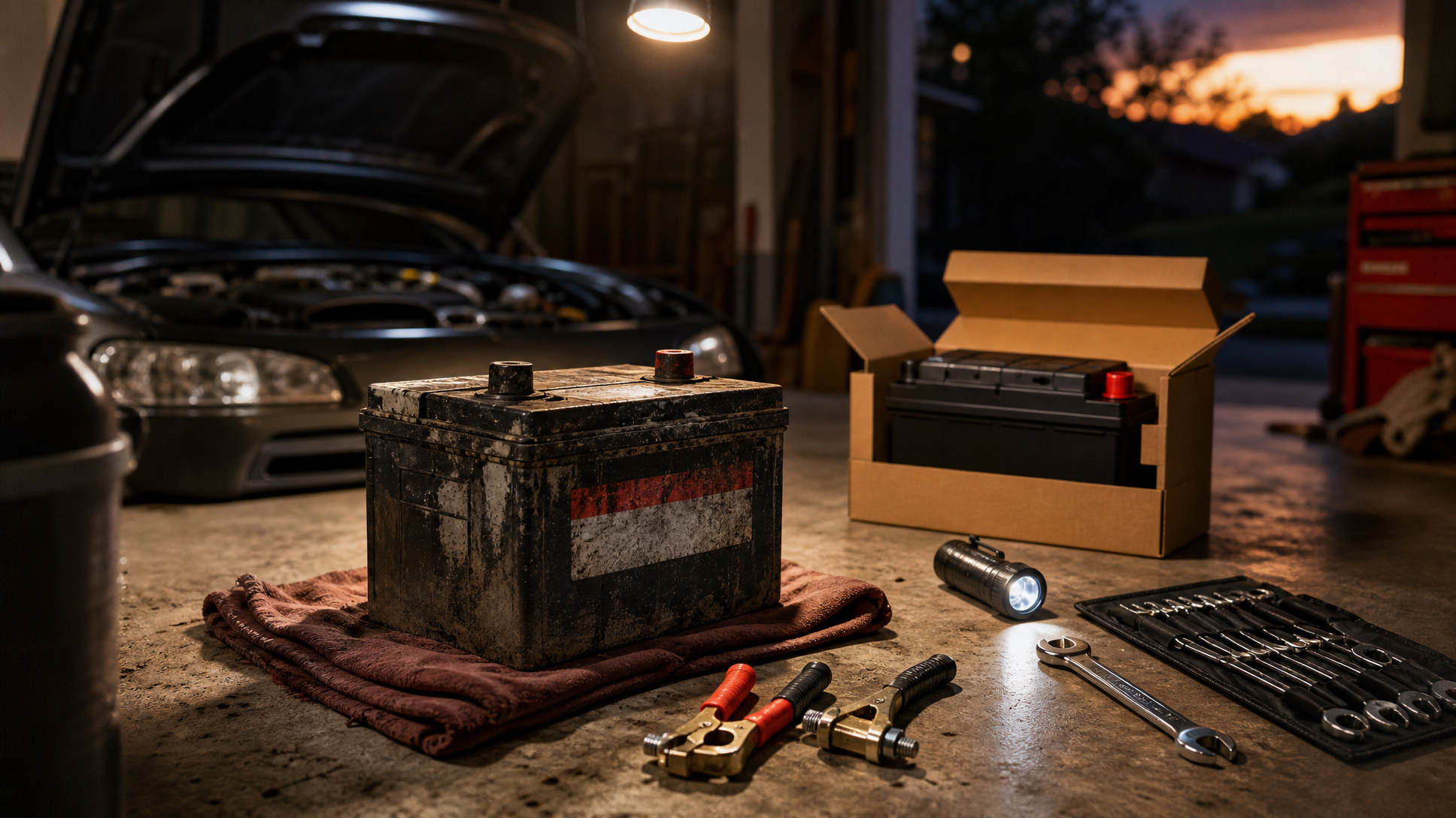
You turn the key, hear a sluggish click, and realize you have somewhere to be. That's the moment most drivers first think seriously about their battery — which is exactly the wrong time to start researching.
Car batteries don't fail without warning. They give you signals for weeks, sometimes months. The problem is those signals are easy to dismiss as "probably nothing" until they're very much something.
Warning Signs Your Battery Is on Its Way Out
None of these alone is a death sentence, but two or more together is your battery telling you to pay attention.
Slow cranking on startup
If the engine turns over more slowly than usual — especially on a cold morning — the battery is struggling to deliver the amperage your starter needs. This is one of the earliest and most reliable signs. Don't chalk it up to the weather and forget about it.
The battery warning light
This one seems obvious, but a lot of drivers assume it means the alternator, not the battery. It can mean either. Get the charging system tested — most auto parts stores will do it for free — so you know which component is actually the problem before you buy anything.
Headlights dimming at idle
When you're stopped at a red light and your headlights visibly brighten when you rev the engine, the battery isn't holding enough charge to power accessories without help from the alternator. That's a battery under real stress.
Frequent jump-starts
One dead battery can be a fluke — a dome light left on, extreme cold, a long stretch of short trips that never let the battery fully recharge. Two or more in a short span? The battery is failing. Jump-starting a weak battery repeatedly doesn't fix it; it just delays the inevitable and can strain your alternator in the process.
Age
Most conventional lead-acid batteries have a service life of roughly three to five years under normal driving conditions. If yours is pushing past that range and you haven't had it tested recently, do it now. Age alone isn't a reason to replace a battery that's testing fine, but it's a reason to stop assuming everything is fine.
What Actually Drives the Cost of a Replacement Battery
Battery prices vary a lot, and the difference isn't arbitrary. A few real factors explain the range.
Battery type
Standard flooded lead-acid batteries are the most affordable and work fine for most everyday vehicles. AGM (Absorbent Glass Mat) batteries cost more but are required by many newer vehicles — particularly those with start-stop systems or heavy accessory loads — and they hold up better to deep discharge cycles. Putting a standard flooded battery in a vehicle that specifies AGM will shorten its life significantly, so this isn't a place to cut corners based on price alone.
Cold Cranking Amps (CCA)
CCA is the rating that tells you how much current the battery can deliver at low temperatures. Your vehicle's owner's manual specifies a minimum — going below that figure means harder starts in winter. Batteries with higher CCA ratings generally cost more, and in cold climates, that premium is worth it.
Brand and warranty length
A battery with a longer free-replacement warranty period typically costs more upfront. Whether that's worth it depends on how long you plan to keep the vehicle and how much you value not dealing with a premature failure.
Installation labor
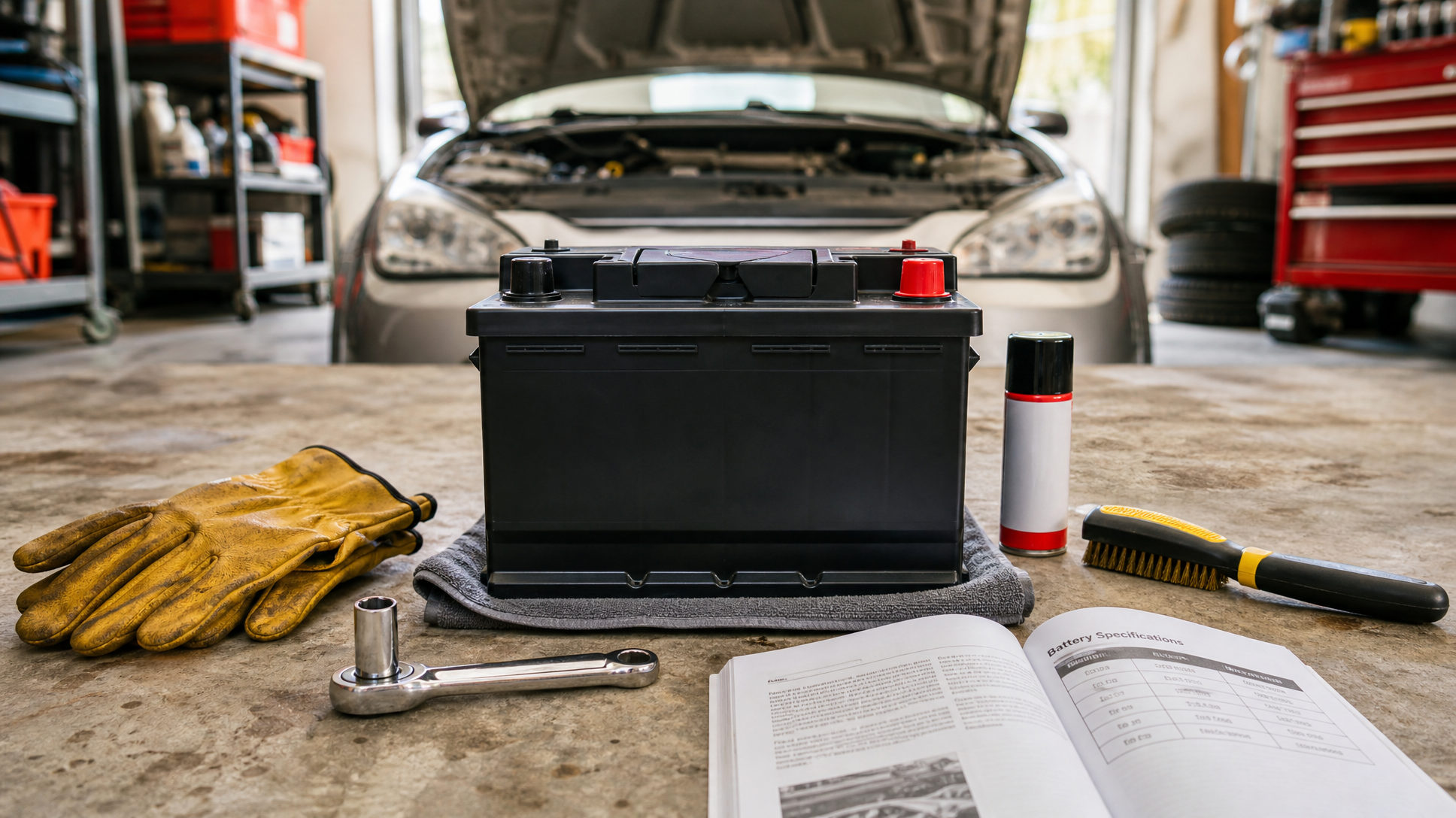
If you're comfortable with basic tools, swapping a battery yourself is one of the more straightforward DIY jobs — disconnect the negative terminal first, then the positive, reverse the order on install, and you're done on most vehicles. Some modern cars complicate this with battery management systems that need to be reset after a replacement, so check your owner's manual before assuming it's a five-minute job.
What Warranty Coverage Does — and Doesn't — Include
Battery warranties are structured differently from most product warranties, and the fine print matters.
Most batteries come with two distinct periods: a free replacement period and a prorated period. During the free replacement window, a battery that fails gets swapped out at no cost. Once you're in the prorated period, you get a credit toward a new battery based on how much of the warranty life has elapsed — you'll still pay something out of pocket, and the credit shrinks the longer you wait.
What warranties typically don't cover: physical damage, installation errors, failure caused by a faulty charging system (a bad alternator that overcharges a battery voids most warranties), or use in an application the battery wasn't rated for. If your alternator is overcharging and kills a new battery, you're likely buying another one at full price.
The practical takeaway: when you replace a battery, get the charging system tested at the same time. A new battery in a car with a failing alternator is money wasted.
A Note on Buying Online vs. In-Store
One legitimate concern with buying a battery online is core charges — many retailers charge a deposit that's refunded when you return your old battery. Make sure you understand the return process before you order. Also confirm the battery fits your specific vehicle (year, make, model, and sometimes engine size) before purchasing; group size matters and an ill-fitting battery can cause vibration damage over time.
If you've already navigated the process of finding the right part online, the same principles apply here — buying replacement auto parts online without getting the wrong fit is a skill that pays off across every category, batteries included.
Don't Wait for the Parking Lot
A failing battery rarely picks a convenient moment. It picks a Monday morning, a grocery store parking lot, or the exit ramp of a highway. The warning signs are real, they're readable, and they give you time to act on your schedule instead of the battery's.
Get your battery tested if it's been a few years or if you're seeing any of the signs above. When it's time to replace it, match the type and CCA rating to your vehicle's spec — not just the lowest price on the shelf — and test the charging system while you're at it.
Find the right replacement battery for your vehicle at Carkart — with fast shipping across the USA. Use code WELCOME5 for 5% off your first order.
Frequently Asked Questions
How do I know if it's my battery or my alternator that's failing?
The symptoms overlap, which is why testing matters more than guessing. A battery that's dead after sitting overnight but charges fine once jumped often points to the battery. A battery that dies again quickly after a jump — especially with the warning light on while driving — usually points to the alternator not recharging it. Most auto parts stores will test both components for free, so there's no reason to replace one without knowing which is actually the problem.
Can I replace my car battery myself, or do I need a mechanic?
On most vehicles, it's a straightforward DIY job — disconnect the negative terminal first, then positive, swap the battery, and reconnect in reverse order. That said, some newer vehicles with battery management or start-stop systems may require a reset procedure after replacement. Check your owner's manual first. If your car has a tight engine bay or the battery is in an unusual location (some are in the trunk or under a seat), a shop visit might save you frustration.
Does cold weather actually kill car batteries faster?
Yes — cold temperatures reduce a battery's ability to deliver current, which is why a battery that's been marginal all summer often fails the first cold morning of fall. Heat is actually the bigger long-term killer of battery life (it accelerates internal corrosion), but cold is what exposes a weakened battery fastest. If you live in a cold climate, don't let a battery limp past its expected service life into winter.
What's the difference between AGM and standard lead-acid batteries, and does it matter which I buy?
It matters a lot. AGM batteries use a different internal construction that handles deep discharges better and is required by many vehicles built in the last decade — particularly those with start-stop ignition systems or high accessory loads. If your vehicle specifies AGM, installing a standard flooded battery will likely result in premature failure and may void the warranty. Check your owner's manual or the label on your current battery to confirm which type your vehicle uses before purchasing a replacement.