Cart
0

Protecting Your Car Paint from Sun Damage: A Guide to Preserving Your Vehicle’s Shine
Every car owner desires a vehicle that looks vibrant and new. Yet, prolonged exposure to the sun’s UV rays can severely damage your car’s paint and interior. This guide walks you through understanding sun damage, key preventative measures, and maintenance tips to keep your vehicle shining bright for years.
Key takeaways
- UV rays cause oxidation, fading, and cracking of car paint over time.
- Regular waxing, sealing, and professional ceramic coatings are effective UV barriers.
- Paint Protection Film (PPF) offers physical and UV protection with self-healing properties.
- Routine washing with pH-balanced soap and proper drying maintain protective layers.
- Shaded parking, window tinting, and interior UV protectants preserve both exterior and interior.
Table of contents
- 1. Understanding Sun Damage and Its Effect on Your Car’s Paint
- 2. Ways to Shield Your Vehicle’s Paint from Sun Damage
- 3. Essential Car Maintenance to Avert Sun Damage
- 4. Practical Parking and Environmental Suggestions for Sun Protection
- 5. Safeguarding Your Car’s Interior from Sun Damage
- 6. Holistic Vehicle Maintenance for Sustained Protection
- 7. Cost-Effective Strategies for Casual Car Owners
- 8. The Importance of Defending Your Car Against Sun Damage
1. Understanding Sun Damage and Its Effect on Your Car’s Paint
The Causes of Sun Damage on Car Paint
Ultraviolet (UV) rays from the sun penetrate your car’s clear coat, breaking down the resin and pigments responsible for vibrance and smoothness. This oxidative process causes fading, chalkiness, and eventually cracks or peeling. Sun-induced heat expands and contracts paint layers, worsening damage if left unattended.
Signs of Sun Damage on Your Car Paint
- Fading and dullness, especially on sun-exposed parts like the roof and hood.
- Chalky or powdery texture due to pigment breakdown.
- Small cracks or blisters from heat stress.
- Peeling or flaking paint indicating advanced clear coat deterioration.
Unchecked, these issues reduce both your car’s beauty and resale value. Read more about the impact of UV rays here.
2. Ways to Shield Your Vehicle’s Paint from Sun Damage
Utilize High-Quality Wax and Paint Sealants
Wax and sealants create protective barriers against UV rays:
- Wax: Temporary sunblock that enhances shine but requires frequent reapplication.
- Paint Sealants: Synthetic, longer-lasting (up to 6 months), and stronger UV resistance.
For tips on application, visit this guide.
Invest in Ceramic Coatings for Long-Term UV Protection
Ceramic coatings form a permanent bond offering hydrophobic properties, superior UV resistance, and easier cleaning. Though pricier and requiring professional application, their long-lasting nature makes them a top choice for serious car care enthusiasts.
Learn more about ceramic coatings here.
Apply Paint Protection Film (PPF) for Physical and UV Protection
PPF acts as a physical shield, blocking UV rays, minor scratches, and environmental damage. Notable benefits include self-healing minor scratches and maintaining paint gloss over time. It's ideal for vulnerable areas like hoods and bumpers.
Explore benefits of PPF here.
3. Essential Car Maintenance to Avert Sun Damage
Regular Washing with pH-Balanced Soaps
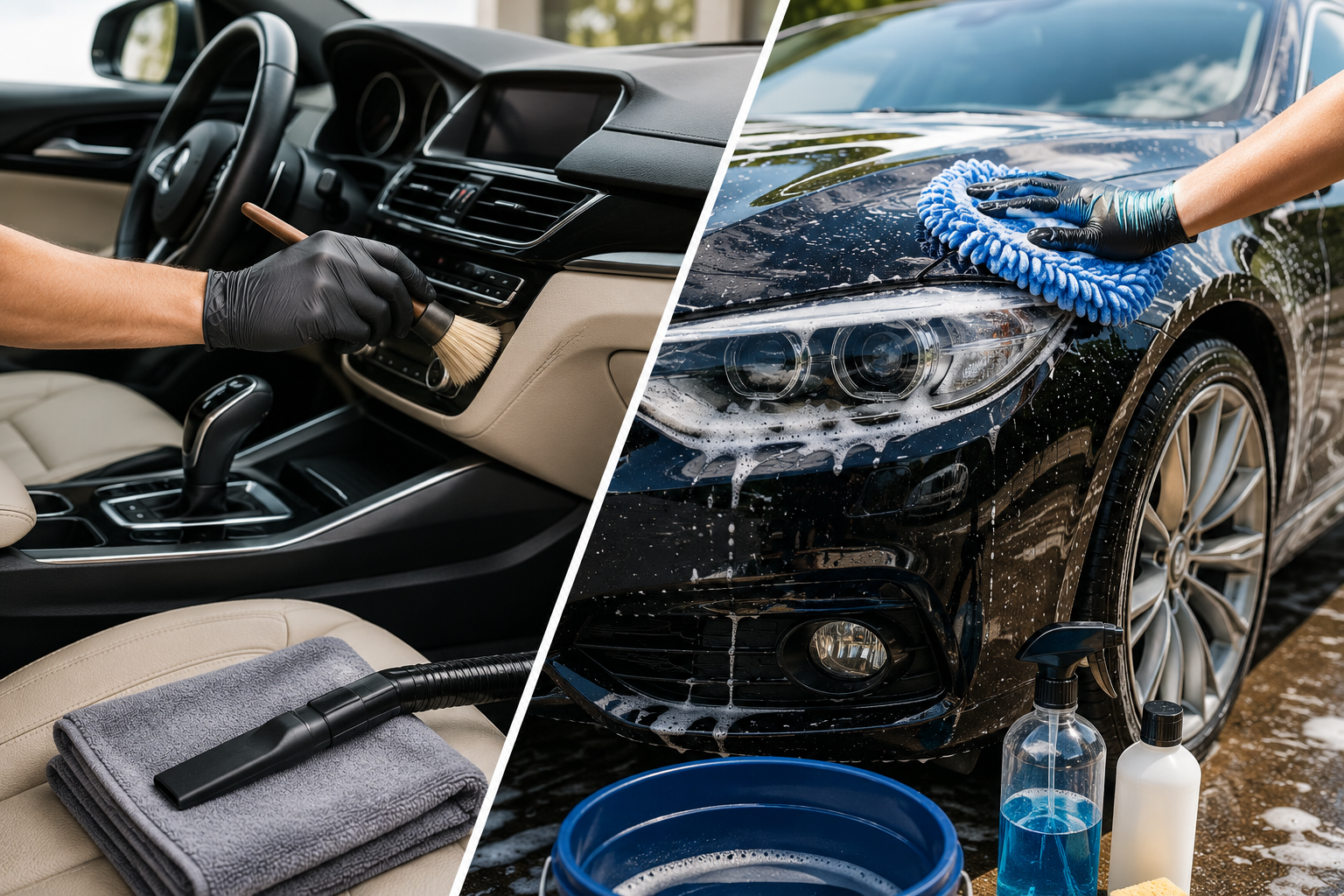
Removing dirt and contaminants every two weeks with pH-neutral shampoos helps prevent heat and moisture traps that accelerate paint damage.
Drying with Microfiber Towels to Preserve Shine
Use microfiber towels to prevent scratches and water spots. Avoid air drying to reduce mineral deposit stains under sunlight.
Polishing to Eradicate Initial Oxidation and Swirl Marks
Polish faded or chalky surfaces to restore smoothness and prep for better wax or sealant adhesion.
Routine Applications of Wax or Sealant
Follow washing and polishing with waxing every three months or according to product guidelines for optimal UV protection.
For a full maintenance routine refer to this detailed guide.
4. Practical Parking and Environmental Suggestions for Sun Protection
Opt for Shaded or Indoor Parking Whenever Feasible
Parking in shade or garages reduces UV exposure and heat stress. Avoid harsh afternoon sun when possible.
Use High-Quality Car Covers and Sunshades
When shade is unavailable, UV-blocking car covers protect paint and prevent damage from bird droppings, sap, and dust. Interior sunshades protect dashboard and upholstery from fading and cracking.
Rotate Parking Spaces to Evenly Distribute Sun Exposure
Changing spots helps prevent uneven fading or damage.
Additional parking tips can be found here.
5. Safeguarding Your Car’s Interior from Sun Damage
Window Tinting for UV and Heat Control
High-quality tint blocks up to 99% of UV rays, protecting interiors from fading, cracking, and heat buildup while reducing glare and improving ride comfort. Tinting also enhances fuel efficiency by lowering AC usage in hot climates.
Discover more about window tinting benefits here.
Employ Interior UV Protectants and Cleaners
Specialty products protect leather, vinyl, and plastics from drying and fading. Regular cleaning and conditioning maintain longevity and appearance.
Supplementary Interior Maintenance Tips
- Use sunshades on windshields and windows while parked.
- Ventilate by slightly opening windows if safe to prevent heat buildup.
- Utilize seat covers to reduce UV exposure and wear on upholstery.
6. Holistic Vehicle Maintenance for Sustained Protection from Sun Damage
Extreme heat and sun exposure affect not only paint but also mechanical components. Monitor engine oil, coolant levels, battery health, and tire pressure regularly to reduce heat-related wear and extend your car’s lifespan.
Additionally, avoid parking under sap-producing trees to prevent corrosive stains when combined with sunlight.
7. Cost-Effective Strategies for Sun Protection for Casual Car Owners
- Use DIY liquid or spray waxes frequently after washing to add a protective UV barrier.
- Wash biweekly with mild pH-balanced soaps and dry with microfiber towels.
- Employ affordable car covers and interior sunshades when shaded parking isn’t an option.
- Maintain interior cleanliness and condition to prevent premature sun damage.
These simple practices effectively protect your car without costly professional treatments.
8. The Importance of Defending Your Car Against Sun Damage
Sun damage permanently mars your vehicle’s finish and interior, leading to expensive repairs and reduced resale value. A protective routine offers:
- Preservation of your car’s showroom shine and paint vibrancy.
- Reduced need for repainting and panel refurbishing.
- Maintenance of fresh and functional interior components.
- Improved resale value by keeping your vehicle in prime condition.
Combining proper products, maintenance, and environmental care ensures effective protection against sun damage.
“Protecting your car from sun damage doesn’t have to be complicated. Consistent care today ensures your vehicle looks stunning tomorrow.”
Start today with routine washing using pH-neutral soap, drying with microfiber towels, and waxing every few months. For lasting defense, consider upgrading to ceramic coatings or paint protection film.
Your car deserves the best defense against sun damage—protect it smartly and enjoy a vibrant, valuable vehicle for years.
FAQ
Q: How often should I wax my car to prevent sun damage?
A: Typically, waxing every 3 months is recommended, but frequency may increase in very sunny or harsh climates.
Q: Is ceramic coating better than regular waxing for UV protection?
A: Yes, ceramic coatings chemically bond with paint, offering longer-lasting UV resistance and easier maintenance compared to wax.
Q: Can paint protection film stop all sun damage?
A: PPF significantly reduces UV ray penetration and prevents physical damage but works best in combination with other protective measures.
Q: Does window tinting affect visibility or legality?
A: Quality window tinting reduces UV and heat without major visibility loss. Check local laws as tint darkness regulations vary.
Q: What interior products protect against sun damage?
A: Use UV protectant sprays and conditioners specially formulated for leather, vinyl, and plastic surfaces to prevent cracking and fading.