Cart
0
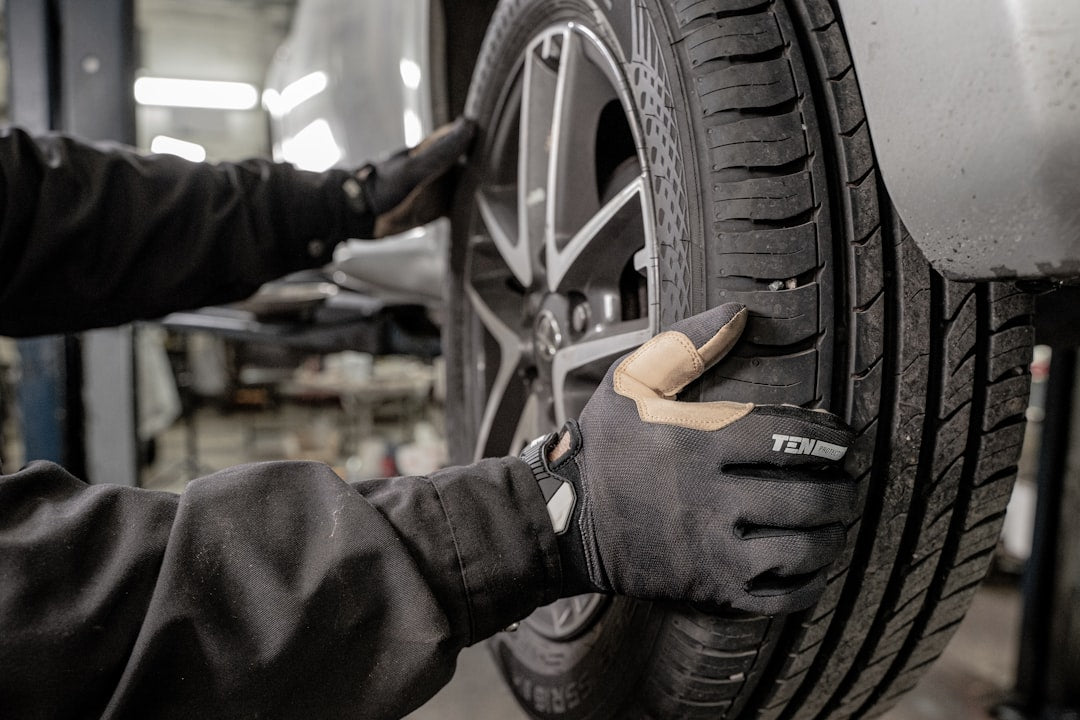
The Ultimate Guide to Tire Maintenance
Tires serve as the sole connection between your vehicle and the road surface, making tire maintenance an essential aspect of ensuring your vehicle’s safety, fuel efficiency, and overall performance. Whether you reside in the rainy confines of Chicago, the snowy winters of New England, or the hot and humid conditions of Baton Rouge, maintaining your tires not only saves you money but also helps reduce emissions and protect the environment. This comprehensive guide covers checking tire pressure and tread depth, rotating tires, wheel alignment, nitrogen inflation, and more to extend the life of your tires.
Estimated Reading Time
Approximately 12 minutes
Key Takeaways
- Maintaining correct tire pressure improves safety, fuel efficiency, and tire longevity.
- Regular tire rotation prevents uneven wear and prolongs tire life.
- Proper wheel alignment and balancing ensure smooth performance and reduce fuel consumption.
- Monitoring tread depth is critical for traction, especially in wet or icy conditions.
- Choosing seasonal tires aligned with your regional climate enhances safety and performance.
- Nitrogen inflation offers more stable tire pressure and may extend tire life.
- Driving habits significantly impact tire durability and fuel economy.
- Professional tire services provide expert care and early problem detection.
Table of Contents
- 1. Why Tire Maintenance Holds the Key to Safer Roads
- 2. Enhancing Fuel Efficiency through Correct Tire Pressure
- 3. Tire Rotation: Ensuring Balanced Wear for Extended Lifespan
- 4. Wheel Alignment and Balancing: Anchoring Smooth Performance
- 5. Tread Depth: A Telltale Indicator of Safety
- 6. Choosing Seasonal Tires Aligned with Your Regional Climes
- 7. Nitrogen Inflation: Evaluating the Pros Against the Cons
- 8. Driving Habits That Align with Prolonging Tire Life
- 9. Environmental and Economic Windfalls of Sustainable Tire Care
- 10. The Role of Professional Tire Services: Enhancing Maintenance
- 11. A Practical Weekly and Monthly Tire Maintenance Checklist
- 12. Summary: Channeling Smart Tire Habits for Secure Roads and Savings
- FAQ
1. Why Tire Maintenance Holds the Key to Safer Roads
Undoubtedly, your tires form the foundation of your vehicle’s safety. A compromised tire profile can significantly jeopardize traction, balance, and braking performance, especially during rain or snow.
Vital Aspects of Tire Safety
- Maintaining Correct Tire Pressure: Under- or over-inflated tires wear unevenly, reducing control and increasing accident risk.
- Monitoring Tread Depth: Adequate tread ensures proper grip on wet and icy roads. Replace tires when tread reaches 3 mm for safe traction, even though the legal minimum is 1.6 mm.
- Achieving Proper Wheel Alignment and Balancing: Misalignment causes uneven wear and vibrations, leading to unpredictable handling.
Incorporate a monthly habit of checking tire pressure with a reliable gauge when tires are cold, and examine the tread for any alarming signs to avoid hazardous situations.
2. Enhancing Fuel Efficiency through Correct Tire Pressure
Maintaining the proper tire pressure is arguably the easiest, yet most effective tire maintenance habit you can adopt. It improves fuel economy, decreases tire wear, and prevents blowouts.
- Cost-Efficient: Proper tire pressure can save up to 3% on fuel.
- Combats Rolling Resistance: Under-inflated tires increase rolling resistance, causing your engine to work harder.
- Enhanced Safety: Incorrect pressure impairs handling and braking.
Check tire pressure at least monthly and always before long journeys. Since temperature affects pressure (dropping roughly 1 PSI for every 10°F decrease), adjust accordingly. Use the recommended PSI shown on the driver’s door jamb or owner’s manual and perform checks when tires are cold.
3. Tire Rotation: Ensuring Balanced Wear for Extended Lifespan
Tire rotation involves moving tires to different positions on your vehicle to promote even tread wear. This essential practice extends tire life and enhances ride quality.
Recommended Rotation Cycles and Patterns
- Rotate tires every 5,000 to 7,500 miles.
- Front-Wheel Drive: Front tires move to the rear on the same side; rear tires move to the front but cross sides.
- Rear-Wheel Drive: Rear tires move straight to the front; front tires move to the back crossing sides.
Skipping rotations risks uneven wear, early replacement, and diminished handling.
Tangible Benefits of Tire Rotation
- Improved traction and control
- Prolonged tire life leading to cost savings
- Maintains consistent fuel efficiency
4. Wheel Alignment and Balancing: Anchoring Smooth Performance
Proper wheel alignment ensures wheels are optimally angled for road contact. Misalignment causes uneven tire wear and reduces fuel efficiency due to extra rolling resistance.
Wheel balancing distributes weight evenly across the tire and wheel assembly. Unbalanced wheels cause vibrations, steering problems, and uneven wear.
Importance of Regular Check-Ups
- Alignment should be checked annually or after impacts like potholes or curbs.
- Balance wheels after every tire rotation.
- These measures improve fuel efficiency by up to 2.2%, reduce vibrations, and extend tire life.
If your vehicle pulls to one side, steering feels off, or you detect vibrations, schedule an expert inspection promptly.
5. Tread Depth: A Telltale Indicator of Safety
Tread channels away excess water, ensuring grip on wet surfaces. Low tread increases hydroplaning risk and reduces traction.
How to Determine Tread Depth
- Use the penny or quarter test: Insert a coin into tire grooves. If Lincoln’s (penny) or Washington’s (quarter) head is visible, your tread is too low.
- Experts recommend replacing tires at 3 mm tread depth for safe wet-weather performance, above the legal minimum of 1.6 mm.
In rainy cities like Chicago, maintaining good tread is essential for braking reliability. In snowy regions like New England, correct tread depth combined with appropriate tires significantly improves winter traction.
6. Choosing Seasonal Tires Aligned with Your Regional Climes
Selecting tires suited to the season maximizes safety and reduces unnecessary wear.
Navigating Through Seasonal Tires
- Summer Tires: Best in warm, dry, or wet conditions with improved fuel economy.
- All-Season Tires: Designed to provide smooth year-round performance in mild climates.
- All-Weather Tires: Handle winter roads effectively while remaining usable year-round.
- Winter Tires: Essential for heavy snow and ice conditions, like New England winters.
In areas with strong seasonal shifts, timely switching between summer and winter tires is essential. Off-season tires should be stored upright in cool, dry places to preserve longevity.
7. Nitrogen Inflation: Evaluating the Pros Against the Cons
Using nitrogen instead of regular air for tire inflation offers several benefits along with some considerations.
- Stable Tire Pressure: Nitrogen leaks more slowly than oxygen, maintaining more consistent pressure.
- Reduced Moisture: Less moisture inside tires reduces internal corrosion.
- Extended Tire Life & Fuel Savings: Some studies suggest up to a 5% reduction in fuel costs.
Though not mandatory, nitrogen inflation may enhance tire longevity and performance for those focused on long-term benefits.
8. Driving Habits That Align with Prolonging Tire Life
Your driving style heavily influences tire wear and fuel consumption, alongside maintenance.
Nurturing Tire-Friendly Driving Patterns
- Opt for smooth acceleration instead of sudden speed-ups.
- Brake gently to minimize tire wear.
- Avoid harsh turns that stress tire edges.
- Steer clear of rough roads and pothole-ridden paths.
Responsible driving lowers tread wear and rolling resistance, leading to long-term savings.
9. Environmental and Economic Windfalls of Sustainable Tire Care
Proper tire maintenance benefits not only your safety but also the environment and your wallet.
- Correct tire pressure and wheel alignment can improve fuel efficiency by up to 9%.
- This efficiency reduces CO₂ emissions significantly.
- Globally, good tire care can save hundreds of liters of fuel and up to €660 over the tire’s lifespan.
- Less frequent tire replacements cut costs and reduce environmental waste.
Incorporating tire maintenance into your environmental agenda supports careful driving and upkeep habits.
10. The Role of Professional Tire Services: Enhancing Maintenance
While do-it-yourself care is valuable, professional services catch hidden issues early and ensure meticulous maintenance.
Services Provided by Tire Clinics
- Inspect for cuts, bulges, and irregular wear.
- Expert tire rotation and balancing.
- Accurate wheel alignment using advanced equipment.
- Seasonal tire swaps with storage recommendations.
- Nitrogen inflation services.
Choosing certified technicians enhances maintenance quality, alleviates concerns, and boosts tire performance.
Local Insights
- Bartel’s Auto Clinic (Chicago): Emphasizes tread depth checks and routine alignment inspections.
- Ultimate Tire & Brakes (Baton Rouge): Focuses on following manufacturer schedules and detailed visual inspections.
- Sullivan Tire and Auto Service (New England): Prioritizes timely seasonal tire changes and regular pressure checks considering climate variations.
11. A Practical Weekly and Monthly Tire Maintenance Checklist
Weekly (Visual Inspection)
- Look for visible cuts, punctures, or bulges.
- Check tread pattern for uneven wear.
- Remove debris lodged in tread grooves.
Monthly
- Use a tire gauge to check tire pressure when cold.
- Perform the coin test to assess tread depth.
- Rotate tires every 5,000 to 7,500 miles or as recommended.
- Verify tire balance after rotations.
- Schedule wheel alignment check annually or after impacts.
12. Summary: Channeling Smart Tire Habits for Secure Roads and Savings
Tire maintenance is not a luxury, but a critical component of vehicle safety, fuel economy, and environmental responsibility. Regularly monitoring tire pressure, adhering to rotation schedules, checking tread depths, and ensuring proper alignment and balancing markedly reduce accident risk and enhance fuel efficiency.
By choosing tires suited to your climate and driving style, cultivating prudent driving habits, and partnering with reputable professionals, you can extend tire lifespan and lessen your carbon footprint.
Take charge of your tire care today—sometimes, a simple tire check is all it takes to pave your way to safer roads, better fuel economy, and smarter spending.
Explore trusted tire maintenance solutions at Priority Tire to keep your vehicle running safely and efficiently.
FAQ
How often should I check my tire pressure?
It is best to check your tire pressure monthly and before any long trip, always measuring when tires are cold for accurate readings.
When is the right time to replace my tires based on tread depth?
Experts recommend replacing tires when tread depth reaches 3 mm to ensure safe traction, especially in wet conditions, which is above the legal minimum of 1.6 mm.
What are the benefits of nitrogen inflation?
Nitrogen inflates tires with more stable pressure due to slower leakage, reduces internal moisture and corrosion, and may help extend tire life and improve fuel efficiency.
How does tire rotation affect tire lifespan?
Regular rotation promotes even tread wear, improving traction and extending the tire's life while maintaining consistent fuel efficiency.
Can poor driving habits damage my tires?
Yes, abrupt acceleration, harsh braking, sharp turns, and driving on rough roads can accelerate tire wear and reduce their lifespan.