Cart
0
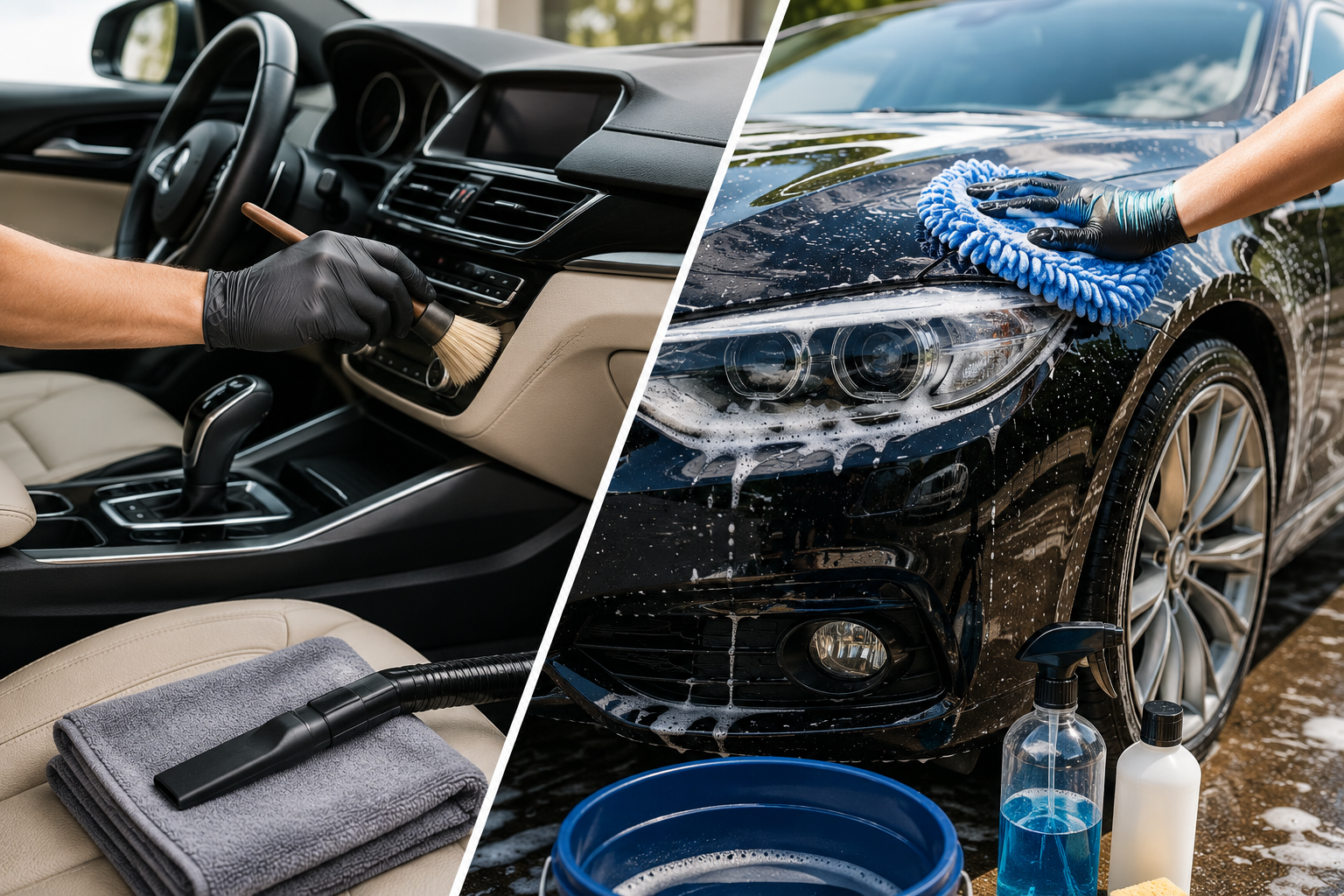
Ultimate Guide to Maintaining Your Car’s Interior and Exterior for Long-Lasting Performance and Resale Value
Caring for your car involves more than just driving — it requires consistent attention to both the interior and exterior to extend its lifespan, preserve aesthetics, and maximize resale value. This comprehensive guide shares expert tips and routines to help you keep your vehicle in top condition year-round.
Estimated reading time: 10 minutes
Key Takeaways
- Regular interior cleaning and material-specific care prevent damage and preserve value.
- Hand washing and protective treatments guard your car’s paint from environmental wear.
- Seasonal adjustments help combat different weather-related challenges.
- Professional detailing can address deep cleaning and restoration beyond DIY methods.
- Documenting maintenance supports higher resale prices through buyer confidence.
Table of Contents
- 1. Why Interior Car Maintenance Matters
- 2. Mastering Exterior Car Maintenance for a Lasting Shine
- 3. Seasonal Car Care to Prepare Your Vehicle Year-Round
- 4. The Role of Professional Detailing in Vehicle Care
- 5. Documenting Maintenance to Support Resale Value
- 6. Quick Checklist: Daily, Weekly, Monthly Car Maintenance Routine
- 7. Conclusion: Protect Your Investment with Consistent Car Care
- FAQ
1. Why Interior Car Maintenance Matters
Your car’s interior is more than just a space for comfort—it’s also where wear, spills, dust, and sun exposure can cause lasting damage. Maintaining the interior not only keeps your vehicle looking its best but also ensures hygiene and enhances resale potential.
Key Interior Surfaces and Material-Specific Care
- Leather: Requires regular conditioning every three months to prevent drying and cracking. 303® Automotive Leather 3-in-1 Complete Care cleans, conditions, and protects with UV inhibitors in one step.
- Vinyl and Plastic: Clean with pH-neutral automotive products to prevent discoloration and cracks on dashboards, door panels, and consoles.
- Fabric Upholstery: Use automotive fabric cleaners to deep clean and eliminate odors effectively.
- Alcantara and Suede: Employ specialized pH-balanced products like those from Swissvax for gentle, careful cleaning.
Daily and Weekly Interior Care Tips
- Vacuum floors, seats, and crevices weekly to remove debris.
- Wipe dashboards and hard surfaces with microfiber cloths and gentle cleaners.
- Declutter regularly to avoid stains and wear.
- Spot clean spills immediately to prevent lasting stains.
Protecting Against UV Damage
Sunlight can degrade leather and vinyl by causing fading and cracking. Using UV protectant sprays containing UV inhibitors helps shield surfaces. Complement this with sunshades, window tinting, and parking in shaded or covered areas to minimize exposure.
Maintaining Air Quality Inside Your Vehicle
- Replace cabin air filters every 12,000 to 15,000 miles to reduce allergens and odors.
- Clean air vents monthly to remove dust accumulation.
- Run your air conditioning for 10 minutes weekly, even in winter, to prevent mold growth inside ducts.
Proper interior care helps maintain a fresh, healthy environment and protects your investment.
2. Mastering Exterior Car Maintenance for a Lasting Shine
Your car’s exterior faces dirt, salt, UV rays, bugs, and pollutants daily. Routine cleaning and protection prevent oxidation, corrosion, and paint damage, preserving your vehicle’s appearance and value.
Best Practices for Washing Your Car Exterior
- Frequency: Wash every two weeks, or more often in high-pollution or salt-prone areas.
- Hand Wash: Use soft mitts, microfiber towels, and pH-balanced shampoo. Avoid automatic washes that can cause swirl marks.
- Thorough Cleaning: Clean door jambs, wheel wells, and the roof regularly, as these trap dirt and contaminants.
Clay Bar Treatment and Polishing for Paint Perfection
Use a clay bar 3 to 4 times a year to remove embedded contaminants like sap and industrial fallout. Follow this with polishing to eliminate light scratches and swirl marks, restoring a smooth, glossy finish.
Wax vs. Paint Sealant: Which Should You Use?
- Wax: Offers a warm, rich finish lasting a few weeks to months depending on conditions.
- Paint Sealants: Provide longer-lasting protection (4–6 months) with a diamond-like glossy shield and better repelling of water and contaminants.
Both protect against UV rays, acid rain, and bird droppings, maintaining paint integrity.
Parking and Covering Tips for Exterior Protection
- Avoid parking under trees to prevent sap and droppings damage.
- Park in less crowded spots to reduce door dings and scratches.
- Use custom-fitted car covers with soft lining to guard against dust, UV fading, and minor abrasions, indoors or outdoors.
Taking these steps helps preserve your paint’s finish and minimize costly repairs.
3. Seasonal Car Care to Prepare Your Vehicle Year-Round
Spring and Summer
- Prioritize UV protection for interior and exterior materials with protectants and window films.
- Use sunshades to reduce heat and sun damage.
- Replace cabin air filters to minimize pollen and allergens.
- Wash regularly to remove pollen and sap buildup.
Fall and Winter
- Increase car wash frequency to combat road salt and grime.
- Inspect rubber seals and plastic trims for cold-weather cracks.
- Apply winter-grade waxes or sealants for enhanced protection.
- Condition and hydrate interior surfaces to prevent drying from heater use.
Adapting your routine based on seasonal needs protects your vehicle from the environment’s varying stresses.
4. The Role of Professional Detailing in Vehicle Care
Professional detailing offers deep restoration beyond typical maintenance:
- Stain and odor elimination using enzyme and ozone treatments.
- Expert leather and vinyl conditioning for faded or brittle surfaces.
- Advanced paint correction involving polishing and sealants for flawless finishes.
These services are especially valuable for luxury vehicles or difficult cleaning challenges.
5. Documenting Maintenance to Support Resale Value
Keeping detailed maintenance records boosts buyer confidence and resale price:
- Photograph before-and-after results after cleaning, polishing, and repairs.
- Retain receipts from product purchases and professional services.
- Maintain a log of dates and types of maintenance performed.
This transparency showcases your care commitment and vehicle history.
6. Quick Checklist: Daily, Weekly, Monthly Car Maintenance Routine
| Frequency | Interior Tasks | Exterior Tasks | Additional Tips |
|---|---|---|---|
| Daily | Declutter, wipe spills immediately | N/A | Use sunshades when parked |
| Weekly | Vacuum seats, floors, wipe hard surfaces | Rinse dirt on body and wheels | Run A/C for 10 minutes to maintain air quality |
| Monthly | Deep clean air vents, replace cabin air filter (as needed) | Hand wash car, clean door jambs and roof | Inspect tires, check for scratches or damage |
| Quarterly | Condition leather and vinyl | Clay bar treatment, polish if needed | Apply wax or paint sealant |
| Seasonal | Adjust interior treatment based on weather | Apply UV protectant, increase washing frequency | Park under cover or use car cover |
7. Conclusion: Protect Your Investment with Consistent Car Care
Maintaining your car’s interior and exterior is essential not only for aesthetics but also to preserve its functionality, comfort, and resale value. By following tailored routines, using recommended products, protecting against environmental damage, and turning to professional detailing when needed, your vehicle can remain a source of pride and solid financial value.
Start incorporating these expert tips today, custom-fit them to your car’s unique needs, and enjoy the lasting benefits of attentive car care.
For high-quality leather care products, visit 303 Automotive Leather Care.
FAQ
Q: How often should I condition leather seats?
A: Leather seats benefit from conditioning every three months to keep them supple and protect against cracking and UV damage.
Q: Can I use any household cleaner on my car’s interior surfaces?
A: It’s best to use automotive-specific, pH-neutral cleaners especially designed for the material to avoid discoloration and damage.
Q: Is waxing necessary if I use a paint sealant?
A: Sealants generally last longer and offer better protection, but waxing can provide a richer finish. Some car owners alternate between the two depending on their aesthetic preference.
Q: How can I prevent odors inside my car?
A: Regular vacuuming, prompt spill cleaning, replacing cabin air filters, and running the air conditioning regularly helps prevent odor buildup and mold growth.
Q: When should I consider professional detailing?
A: If stains, odors, or paint imperfections persist despite regular care, or before selling your car, professional detailing can deeply restore and enhance your vehicle.