Cart
0
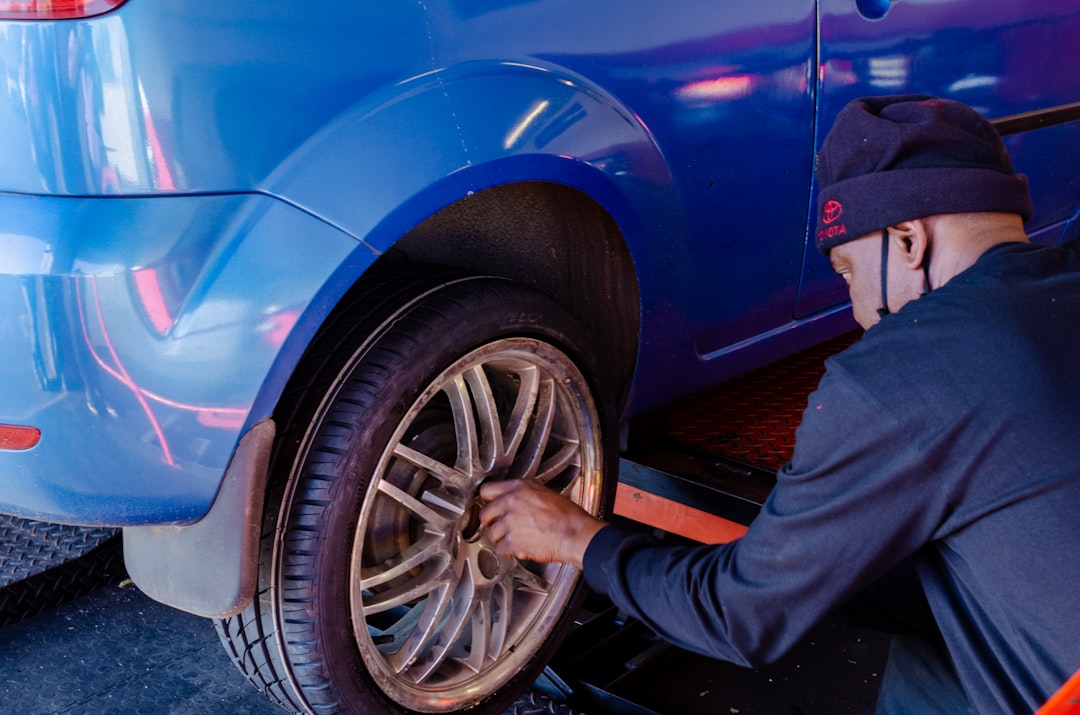
Essential Winter Car Maintenance Tips to Keep Your Vehicle Safe and Reliable
Navigating a New England winter demands more than just careful driving—it requires proactive vehicle maintenance to combat harsh conditions, salty roads, and freezing temperatures. This comprehensive guide empowers you with expert strategies to keep your car safe, reliable, and ready for the season ahead.
Key Takeaways
- Battery health is critical—test voltage, clean terminals, and replace aging units before winter fully sets in.
- Tire maintenance—including pressure checks, tread depth, and alignment—is essential for traction and safety.
- Brake inspections ensure stopping power on icy roads, with attention to pads, fluid, and warning signs.
- Regular fluid checks and winter-specific formulations protect engine, transmission, and visibility systems.
- Small details like wiper replacement, light inspection, corrosion protection, and emergency kits improve comfort and safety.
- Certified technicians protect your warranty and leverage precise diagnostics, especially on newer cars.
- Understanding tire options—All-Season, All-Weather, and Winter tires—helps you choose the safest setup for New England winters.
- Seasonal promotions from local providers make essential services more affordable and accessible.
Table of Contents
- Why Seasonal Car Maintenance Matters in New England Winters
- Battery Health: Your First Line of Defense Against Cold Starts
- Tire Pressure, Tread, and Alignment: A Foundation for Winter Safety
- Brake System Inspection: Essential for Cold-Weather Stopping Power
- Fluid Checks: The Lifeblood of Cold-Weather Vehicle Performance
- Other Critical Winter Maintenance Items for Safety and Comfort
- Certified Technicians and Maintenance for Newer Vehicles
- Practical Tips for New Car Owners to Maximize Winter Durability
- Understanding Tire Options: All-Season vs. All-Weather for New England Winters
- Taking Advantage of Seasonal Promotions on Winter Car Maintenance
- Conclusion: Proactive Winter Car Maintenance Keeps You Safe Year-Round
1. Why Seasonal Car Maintenance Matters in New England Winters
New England winters deliver a brutal combination of bitter cold, heavy snow, and road salt that aggressively wear down your vehicle’s vital systems. Ignoring seasonal maintenance can leave you stranded or facing costly repairs.
By staying proactive, you ensure:
- Fewer breakdowns during critical storm conditions
- Improved traction and braking safety on ice and snow
- Protection from rust and corrosion caused by salt exposure
- Better fuel economy and smoother engine performance
- Compliance with manufacturer warranties, especially important for newer vehicles
A dedicated winter maintenance routine means fewer surprises and safer driving no matter what the forecast holds.
2. Battery Health: Your First Line of Defense Against Cold Starts
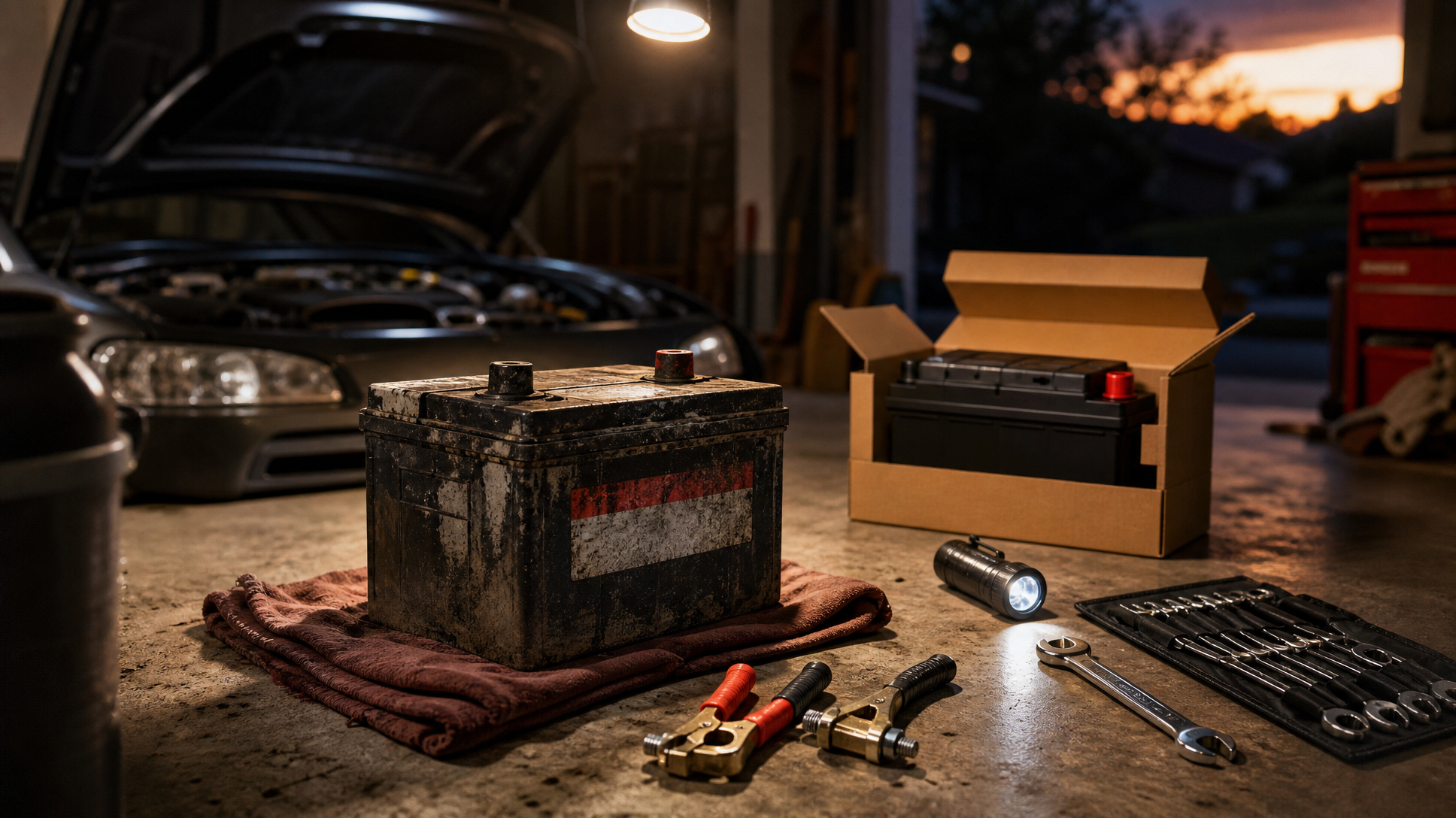
Cold weather is tough on your car’s battery, which loses power as temperatures drop. Batteries over three years old are at increased risk of failure, leaving you stranded on freezing mornings.
How to Prep Your Battery
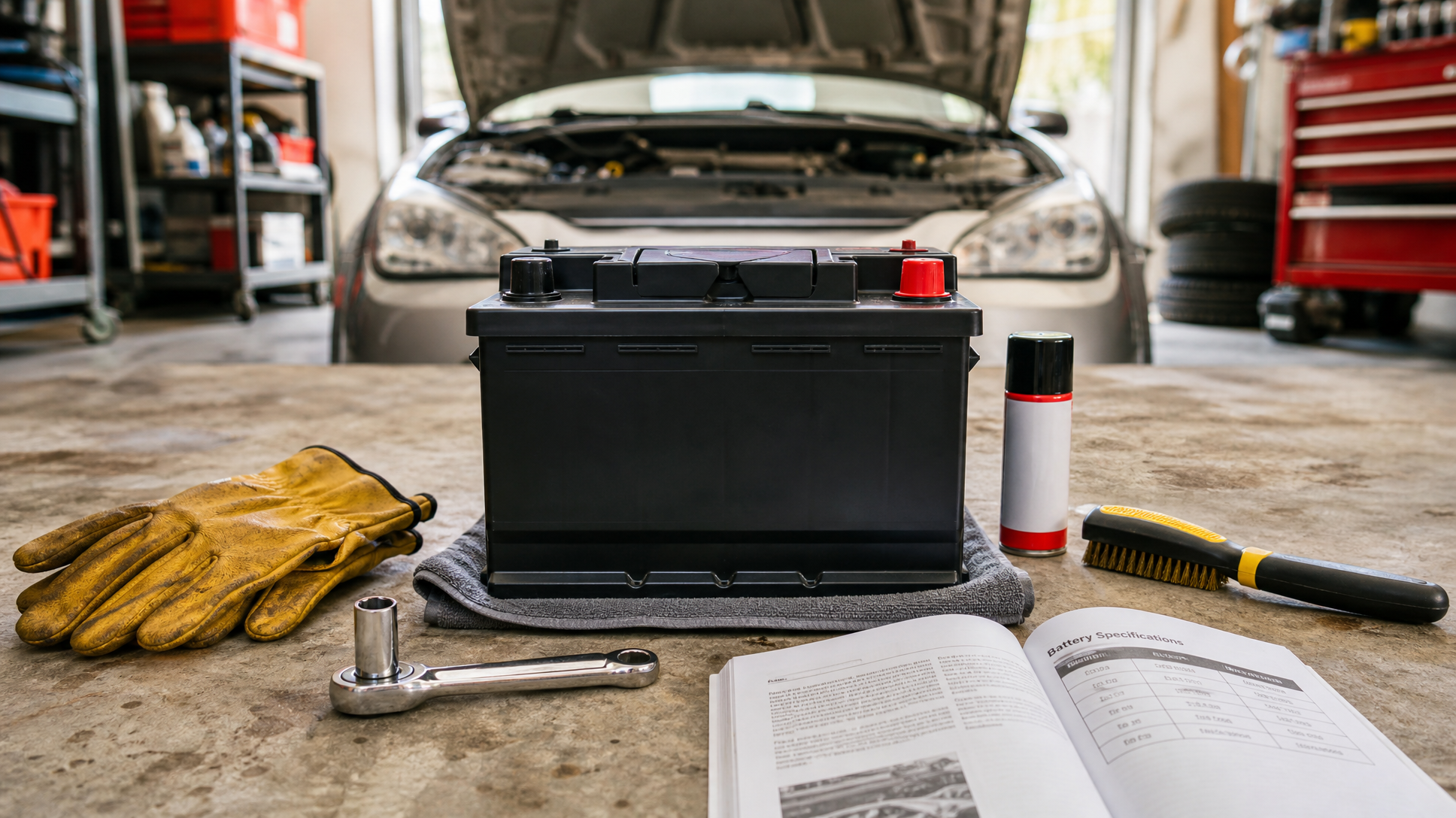
- Test voltage levels: Expect about 12.6 volts for a healthy battery. Any reading below indicates potential trouble.
- Inspect the charging system: Ensure your alternator is properly charging the battery to avoid unexpected drains.
- Clean terminals: Remove corrosion buildup to maintain strong electrical connections.
- Replace if aging: Proactively replace batteries older than three years—especially before winter arrives.
Local service centers like Sullivan Tire offer free battery testing and promotional deals perfect for peace of mind. Find additional advice from Gates GMC.
3. Tire Pressure, Tread, and Alignment: A Foundation for Winter Safety
Your tires are the critical link between your vehicle and icy, snowy roads. Proper maintenance safeguards traction, handling, and fuel efficiency.
Stay Tire-Smart by
- Monitoring pressure weekly: Cold air lowers tire pressure, so inflate tires to your car’s recommended PSI regularly.
- Checking tread depth: Insufficient tread compromises grip on slush and ice—replace tires when borderline.
- Investing in winter tires: Below 45°F with frequent snow? Winter tires with deeper grooves and specialized rubber offer superior performance.
- Scheduling alignment and suspension checks: Potholes cause uneven wear and pulling; professional alignment ensures even tire wear and safe handling.
Rotate your tires every 5,000 to 7,500 miles to extend their life, especially before winter hits. Access expert service from Crossroads Ford and local shops. Learn more from NEInsure and Simon’s Auto Repair.
4. Brake System Inspection: Essential for Cold-Weather Stopping Power
Icy roads increase stopping distances—keeping brakes in peak condition is a must.
Brake Components to Check
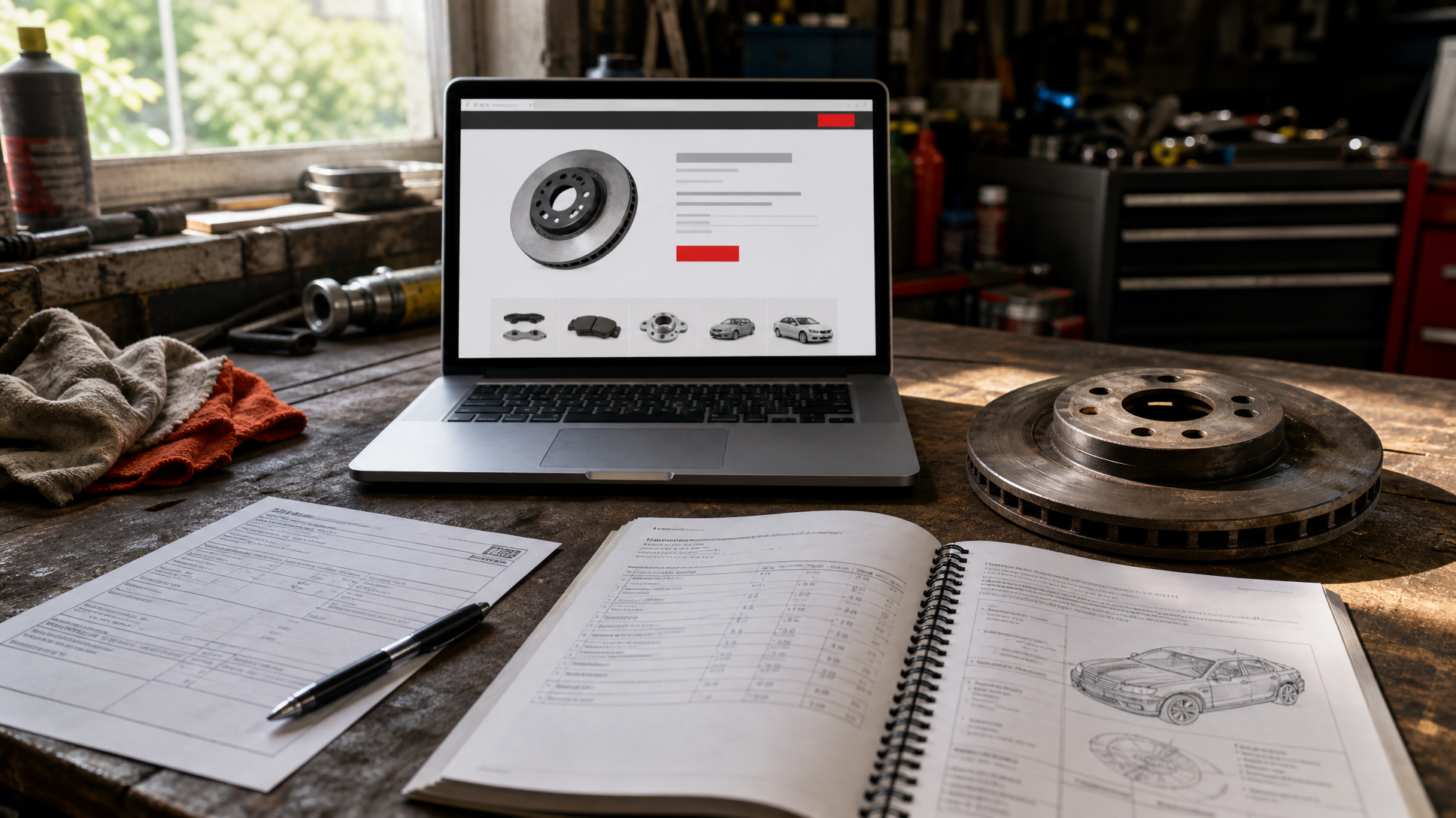
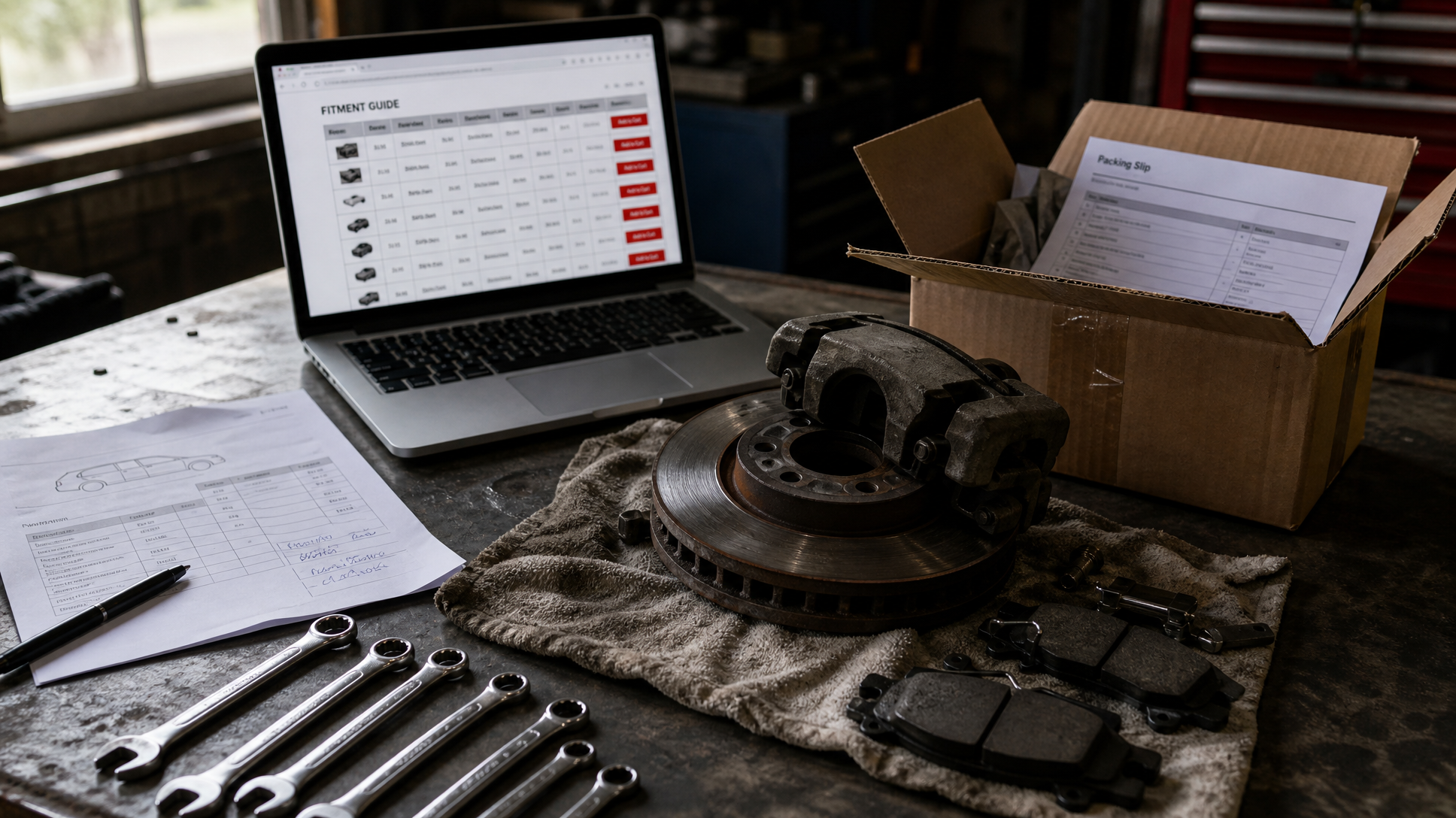
- Pads and rotors: Have a technician check for wear and replace parts as needed.
- Brake fluid: Low or degraded fluid reduces braking efficiency—check levels and replace if contaminated.
- Warning signs: Don’t ignore squeaking, grinding, or spongy brake pedals—these signal urgent issues.
- Brake lights: Confirm all brake-related lighting works to stay visible in snow and fog.
Sullivan Tire and Crossroads Ford provide seasonal brake service specials. Prioritize this critical safety check. Learn more at One Stop Auto.
5. Fluid Checks: The Lifeblood of Cold-Weather Vehicle Performance
Cold temperatures challenge all your vehicle’s fluids. Regular inspections and winter-grade fluids keep everything running smoothly.
Key Fluids to Inspect
- Engine oil: Follow scheduled changes every 5,000 to 7,500 miles; winter often calls for lower-viscosity oil as recommended.
- Coolant (antifreeze): Confirm proper levels and freeze protection ratio; inspect hoses and clamps for leaks.
- Brake, steering, and transmission fluids: Check levels and condition during any winter service.
- Windshield washer fluid: Use freeze-resistant formulas and keep topped off for clear visibility in slush and salt.
Neglecting fluid health can cause heater failure, braking issues, and engine damage. Professional inspections help catch problems early. Resources available at Simon’s Auto Repair and Gates GMC.
6. Other Critical Winter Maintenance Items for Safety and Comfort
Sometimes, small but deliberate steps make winter driving far safer and more comfortable.
Don’t Forget to
- Replace wipers: Old blades streak or fail; pair replacements with winter-grade washer fluid.
- Inspect all lights: Verify headlights, taillights, fog lights, and signals for maximum visibility.
- Test heaters and defrosters: A warm cabin and clear windshield are essential for safe driving.
- Combat corrosion: Frequently wash undercarriage to remove salt and apply protective wax early in the season.
- Pack an emergency kit: Include an ice scraper, jumper cables, shovel, sand, blankets, flashlight, and snacks to prepare for unexpected breakdowns.
These practical steps can mean the difference between comfort and crisis. For more winter tips, visit Herb Chambers or Sullivan Tire’s guide.
7. Certified Technicians and Maintenance for Newer Vehicles
Newer cars come equipped with sophisticated electronics and complex systems requiring expert care to maintain warranty and performance.
Certified service centers offer:
- OEM parts and fluids preserving factory warranties
- Advanced diagnostic tools tailored to your vehicle’s electronics
- Precision fluid and battery checks matching manufacturer specifications
- Thorough inspections designed for modern vehicle complexities
Providers like Sullivan Tire and Gates GMC offer seasonal specials, making certified care more accessible.
8. Practical Tips for New Car Owners to Maximize Winter Durability
Winter challenges new cars despite modern technology. Protect your investment with good habits early on.
Smart Habits Include
- Regular washing and waxing: Use the two-bucket method to avoid scratches; wax every 3–6 months to shield paint from salt.
- Interior care: Clean and condition surfaces; use mats to catch snow, salt, and slush to prevent stains and wear.
- Seasonal maintenance plans: Adapt routines knowing that winter brings corrosion risks and summer impacts batteries and tires.
- Follow factory service schedules: Stick to manufacturer guidelines for oil changes, rotations, fluids, and inspections.
Consistency in these practices preserves performance and resale value. Learn more at Herb Chambers’ new car guide.
9. Understanding Tire Options: All-Season vs. All-Weather for New England Winters
Choosing the right tires is one of your best winter driving decisions.
Know the Differences
- All-Season Tires: Suitable for milder, less frequent snow, but less effective on ice and deep snow.
- All-Weather Tires: Certified for snow use, with specialized tread and rubber compounds that handle variable New England winters well.
- Winter (Snow) Tires: Purpose-built for snow and ice with superior traction below 45°F, the safest choice for heavy snow and freezing conditions.
For consistent snow and icy roads, all-weather or winter tires are recommended. Consult your local experts such as those at One Stop Auto for personalized advice.
10. Taking Advantage of Seasonal Promotions on Winter Car Maintenance
Winter services can be costly, but local promotions make timely maintenance affordable and convenient.
Current Deals Include
- Sullivan Tire offers 10% off labor, plus $70 off 4 Firestone tires and $60 off 4 Nokian tires through January.
- Crossroads Ford features bundled cold-weather packages covering battery, brake, and oil services.
Scheduling your winter prep during these promotions saves money and secures expert, certified care for your vehicle.
Conclusion: Proactive Winter Car Maintenance Keeps You Safe Year-Round
New England’s winters test every vehicle, but you don’t need to face the season unprepared. Addressing battery, tires, brakes, fluids, and certified service now protects your safety and extends your vehicle’s life.
Make use of seasonal promotions, follow expert checklists, and keep winter car care top of mind. Your future self—and your vehicle—will thank you for the investment.
To schedule your winter maintenance or get personalized advice, contact a certified technician or trusted local provider such as Sullivan Tire or Crossroads Ford.
Celebrate the season with savings — get 5% off your order using code EXCLUSIVE5 at checkout
FAQ
Q1: How often should I check my tire pressure during winter?
Check tire pressure weekly during winter months to compensate for pressure drops caused by colder temperatures.
Q2: When should I replace my car battery before winter?
Replace batteries older than three years before winter begins to avoid failures in cold weather.
Q3: Are all-weather tires better than all-season tires for New England winters?
Yes. All-weather tires are certified for snow performance and offer improved grip over all-season tires in variable winter conditions.
Q4: Why is it important to use winter-grade windshield washer fluid?
Winter-grade fluids resist freezing, preventing clogs and ensuring clear visibility during snowy and icy conditions.
Q5: Can I perform winter maintenance myself or should I rely on certified technicians?
Basic tasks like checking fluids and tire pressure can be done yourself, but certified technicians provide expert service that protects warranties and addresses complex systems especially on newer vehicles.