Cart
0
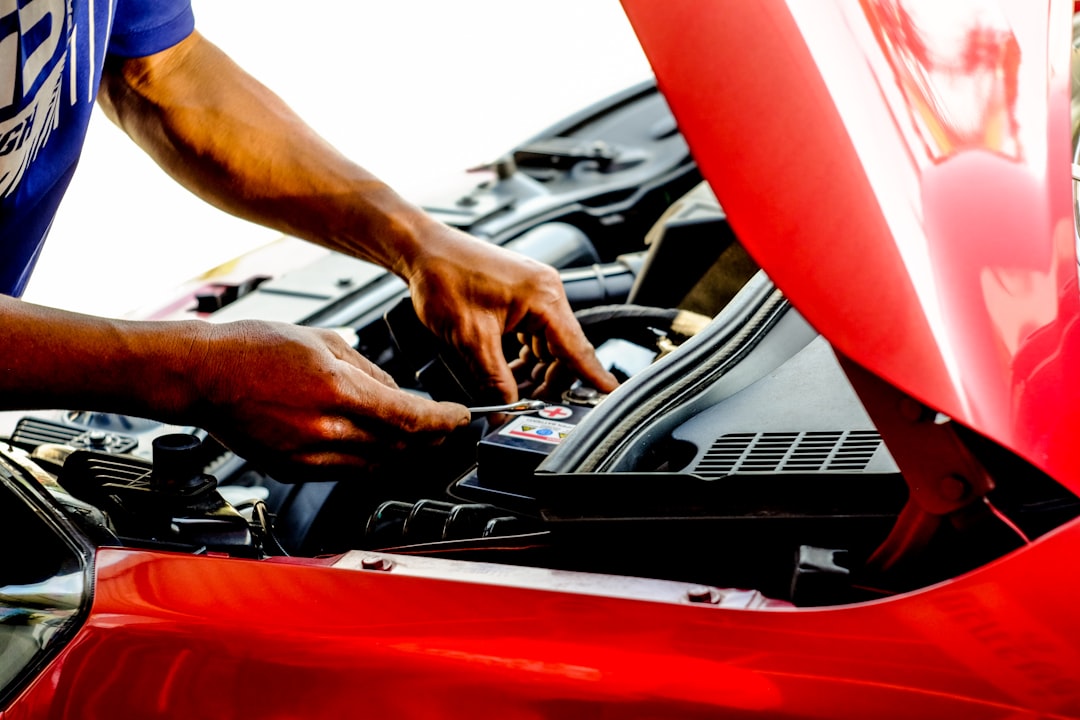
Essential car maintenance is the key to prolonging your vehicle’s lifespan, maximizing performance, and safeguarding your investment. By implementing expert-recommended practices such as using OEM parts, embracing synthetic oils, adapting seasonal care, and maintaining responsible driving habits, you can enjoy reliable, efficient, and safe transportation for years to come.
- Using OEM parts preserves vehicle performance and warranty.
- Synthetic oils provide superior engine protection and longer change intervals.
- Seasonal maintenance prevents weather-related damage and improves safety.
- Small cosmetic repairs prevent rust and structural damage.
- Good driving habits reduce wear and boost fuel economy.
- Regular tire and fluid maintenance are critical for safety and longevity.
- Proper long-term storage preparation prevents deterioration.
- Professional services complement routine care for optimal results.
Table of Contents
- 1. Using OEM Parts for Your Car
- 2. Benefits of Synthetic Oil for Modern Engines
- 3. Seasonal Car Care Tips
- 4. Importance of Small Cosmetic Repairs
- 5. How Driving Habits Impact Car Wear & Fuel Economy
- 6. The Critical Role of Tire Maintenance
- 7. Checking Fluid Levels for Vital Systems
- 8. Selecting the Right Fuel Grade & Additives
- 9. Preparing Your Vehicle for Long-Term Storage
- 10. Leveraging Professional Services for Maintenance
- Final Thoughts
1. Using OEM Parts for Your Car
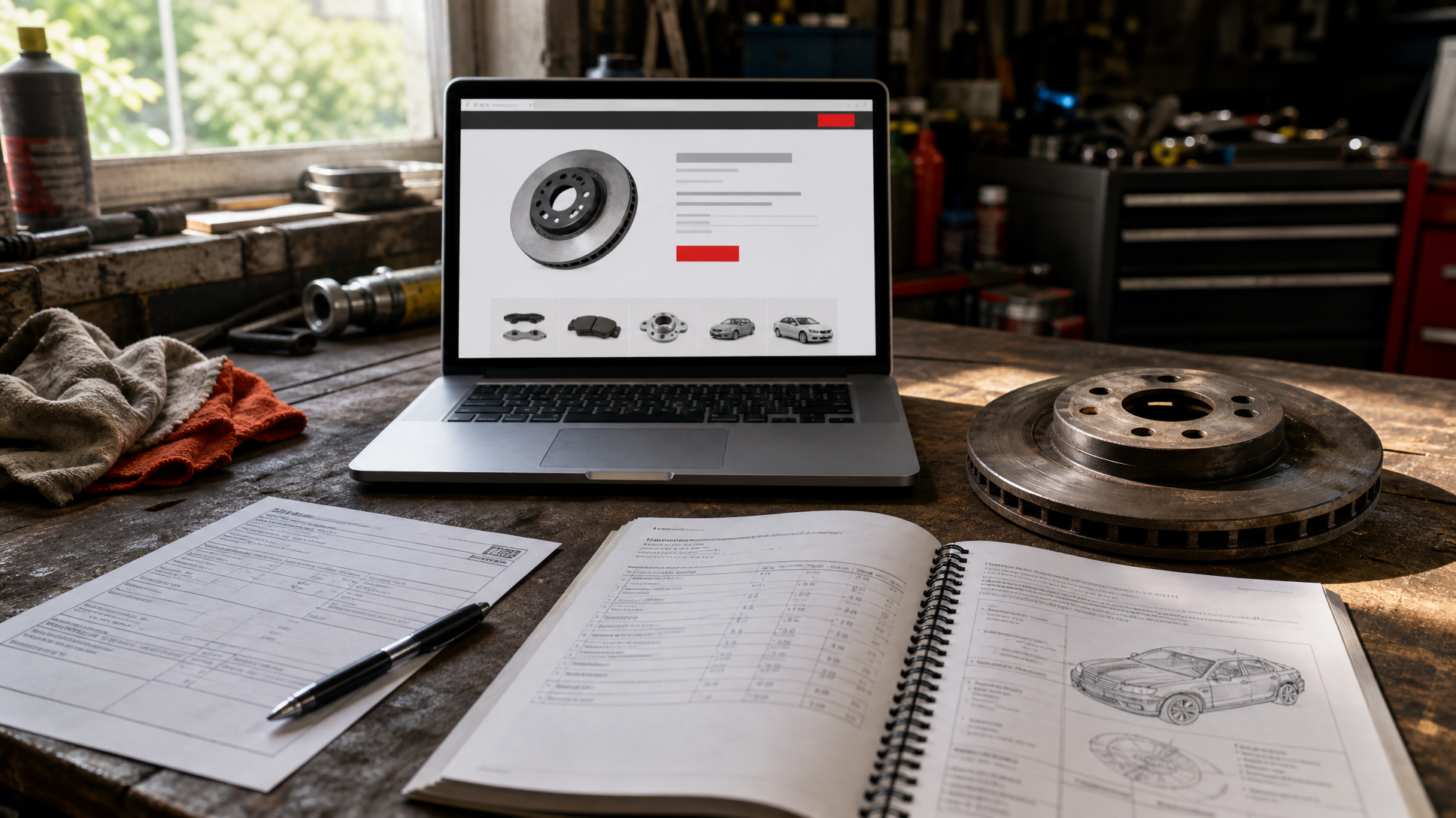
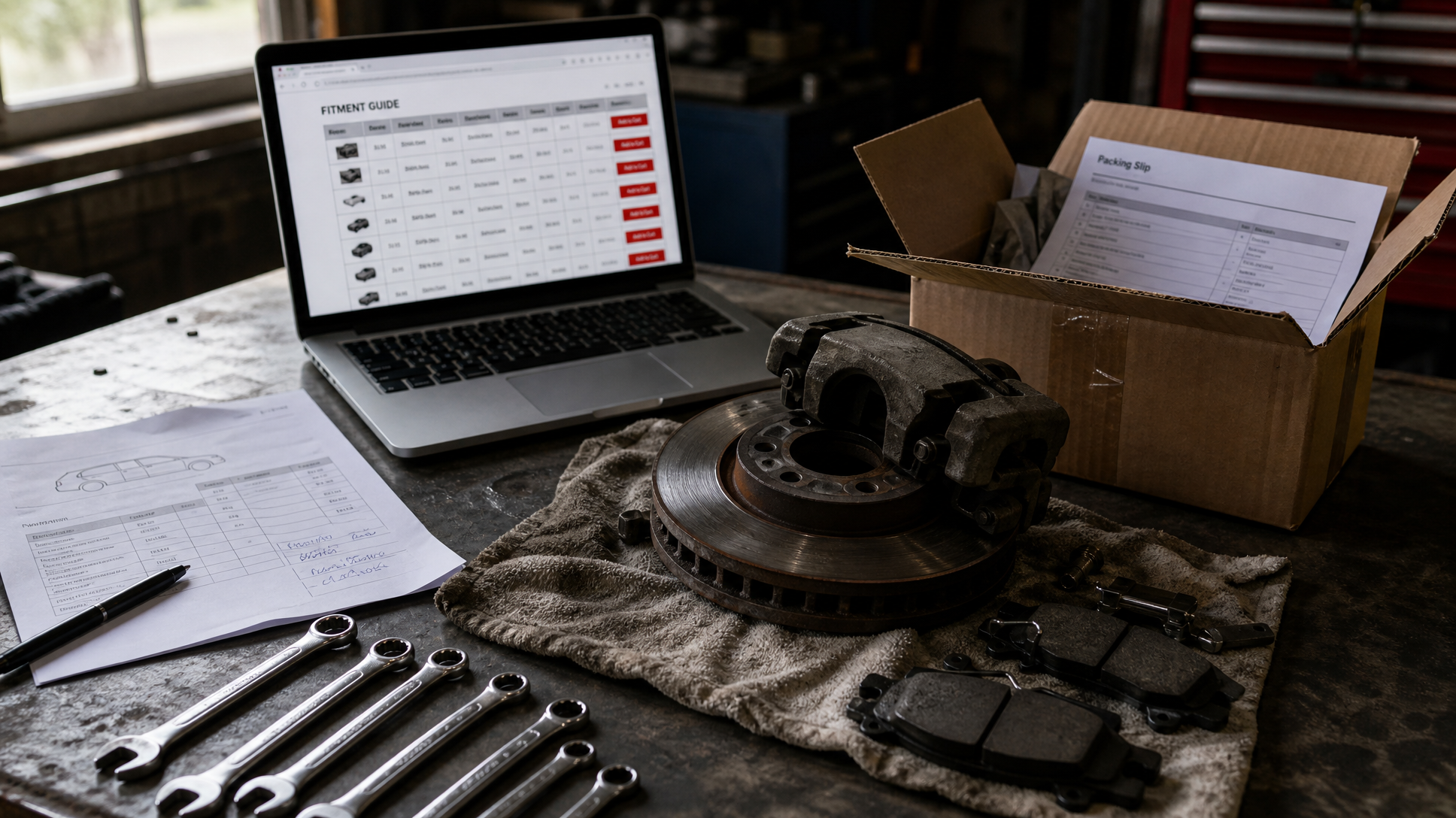
Selecting Original Equipment Manufacturer (OEM) parts when replacing components is essential for preserving your car’s integrity. OEM parts are engineered specifically for your vehicle’s make and model, guaranteeing compatibility and reliability. Key benefits include:
- Maintaining your vehicle’s warranty and factory standards.
- Superior durability and performance compared to aftermarket parts.
- Reduced risk of compatibility problems that might trigger malfunctions.
- Prevention of premature wear caused by inferior parts.
Though OEM parts can be a bit costlier initially, their longevity and reliability save money in the long run. For instance, ACDelco parts for GM vehicles exemplify quality engineered to meet exact factory specifications, offering peace of mind and enduring repairs.
2. Benefits of Synthetic Oil for Modern Engines
Synthetic oil is widely recommended for turbocharged and high-performance engines due to its advanced formulation. Advantages include:
- Excellent heat resistance, minimizing oil breakdown at high RPMs.
- Improved flow in cold starts, protecting against wear.
- Extended oil change intervals (5,000–7,500 miles vs. 3,000 miles for conventional oil).
- Reduction in sludge and deposits, keeping engines cleaner and more efficient.
Though upfront costs are higher, synthetic oils save time and money by reducing maintenance frequency and extending engine life. Always follow your manufacturer’s guidelines for oil type and change intervals.
3. Seasonal Car Care Tips
Spring
- Clean the undercarriage to remove corrosive salt and grime.
- Inspect and rotate tires for even wear.
- Replace cabin air filters to improve interior air quality.
Summer
- Check the air conditioning system to maintain cooling performance.
- Monitor tire pressure closely, as heat can cause over-inflation.
- Maintain coolant and other fluid levels to combat engine stress from heat.
Fall
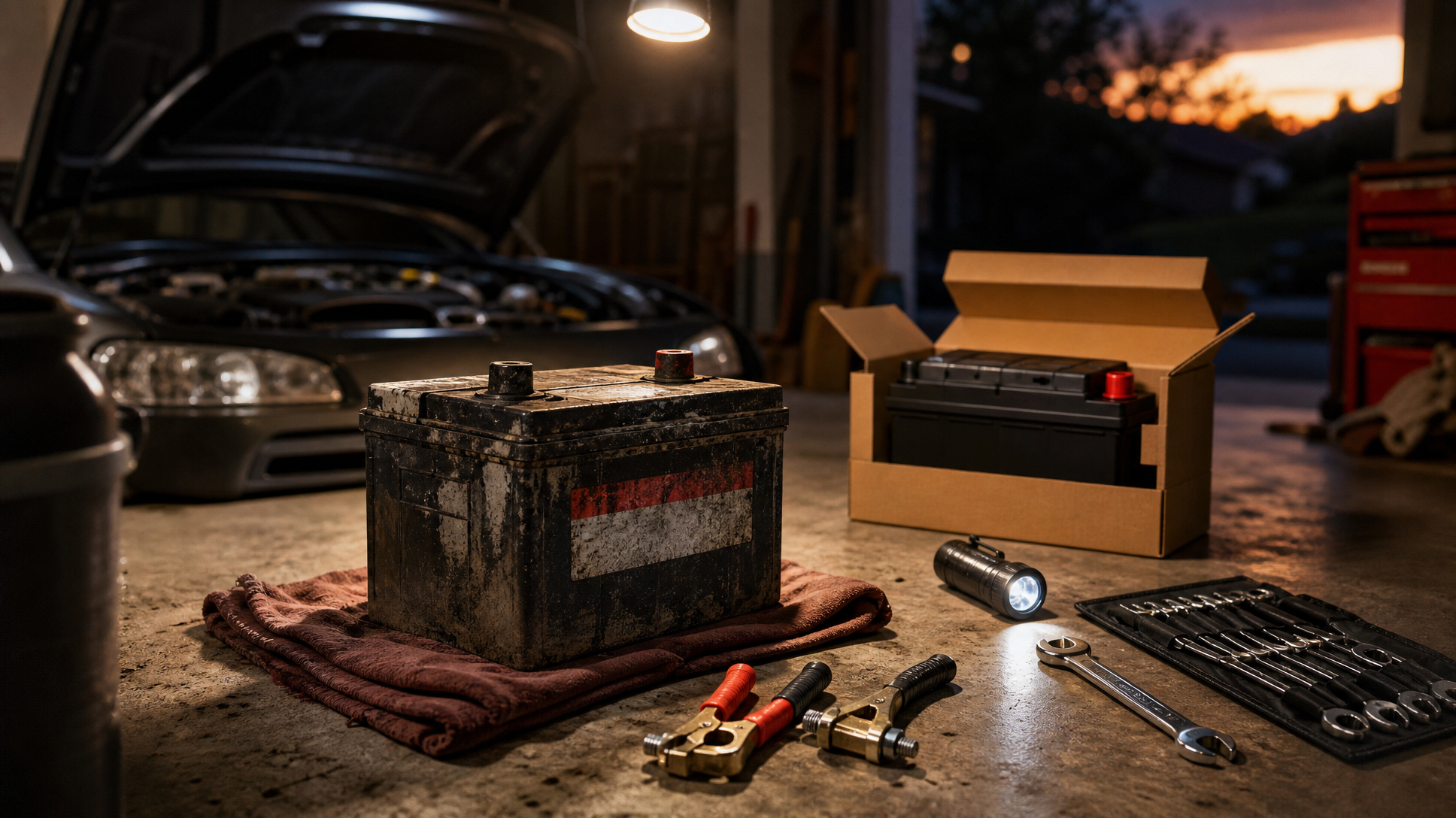
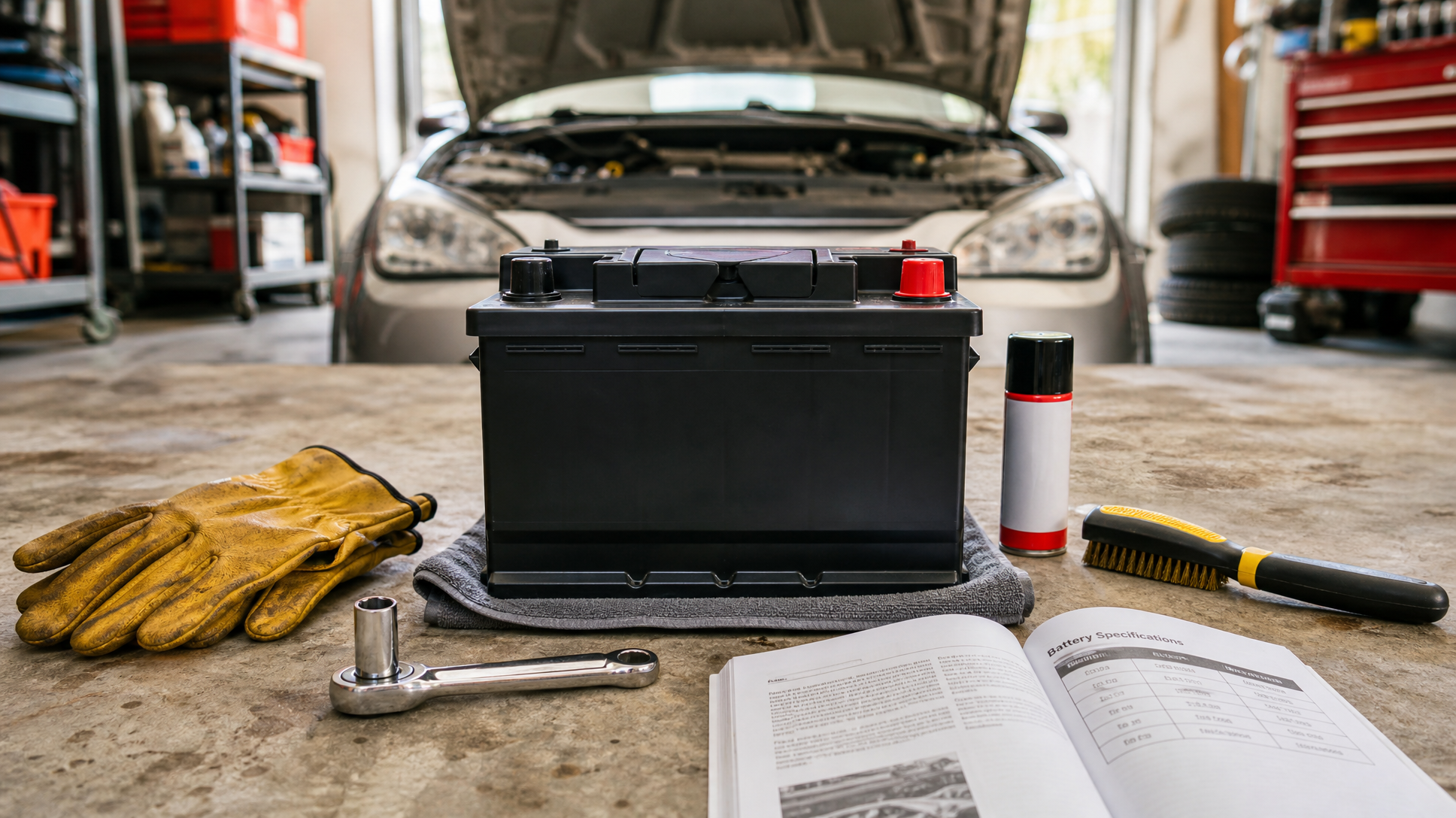
- Inspect battery and heating system for upcoming cold.
- Switch to winter tires for enhanced traction on ice and snow.
- Replace worn wiper blades to ensure clear visibility.
Winter
- Use engine oil with appropriate viscosity for cold conditions.
- Keep the fuel tank at least half full to prevent line freezing.
- Prepare an emergency kit with blankets, jumper cables, and ice scrapers.
- Wash and wax regularly to protect paint from salt-induced corrosion.
Adapting maintenance routines to seasonal demands helps avoid weather-related damage, expensive repairs, and promotes safer driving throughout the year.
4. Importance of Small Cosmetic Repairs
Seemingly minor scrapes and scratches can expose your vehicle’s metal body to moisture, triggering rust and structural damage that jeopardize safety and escalate repair costs. To combat this:
- Regularly inspect your paint for chips and scratches.
- Use touch-up paint promptly or seek professional repair for more extensive damage.
- Apply wax to create a moisture-resistant barrier.
- Maintain a regular wash schedule, especially after exposure to road salt.
Consistent cosmetic upkeep preserves your vehicle’s appearance and structural integrity over time.
5. How Driving Habits Impact Car Wear & Fuel Economy
Your driving style directly affects component wear and fuel consumption. Adopting smooth, deliberate driving can:
- Reduce stress on the engine, brakes, and transmission through gradual acceleration/deceleration.
- Decrease fuel waste and engine wear by limiting unnecessary idling.
- Lower fuel consumption and mechanical strain by adhering to speed limits.
- Minimize tire wear and accident risk via defensive driving with fewer hard stops and sudden moves.
These habits result in fewer repairs and improved fuel efficiency, saving you money while enhancing safety.
6. The Critical Role of Tire Maintenance
Tires are your vehicle’s sole contact with the road, making their care vital. Effective tire maintenance includes:
- Weekly visual checks for punctures, cracks, bulges, or uneven wear.
- Monthly pressure checks using an accurate tire gauge.
- Routine rotation every 7,500 miles to ensure even tread wear.
Proper tire care improves fuel economy, ride comfort, and significantly lowers blowout and traction-related safety risks.
7. Checking Fluid Levels for Vital Vehicle Systems Protection
Fluids enable lubrication, cooling, and hydraulic power in your vehicle. Regular monitoring is essential to prevent breakdowns. Important fluids include:
- Engine oil – prevents overheating and component wear.
- Transmission fluid – enables smooth gear shifts and transmission longevity.
- Coolant – regulates engine temperature and prevents freezing.
- Brake fluid – critical for safe stopping performance.
- Power steering fluid – assists steering ease and responsiveness.
- Windshield washer fluid – ensures clear visibility under varying conditions.
Weekly checks alongside your owner’s manual recommendations help maintain optimal fluid levels and system health.
8. Selecting the Right Fuel Grade & Additives for Engine Health
Choosing the correct fuel and additives enhances engine function and longevity:
- Always use the manufacturer-recommended octane rating.
- Incorporate fuel additives such as ACDelco fuel system treatments to clean injectors and prevent deposits.
- Apply fuel stabilizers when storing your vehicle long-term to avert fuel degradation.
Correct fuel selection alongside additive use maintains operational efficiency and minimizes repair risk.
9. Preparing Your Vehicle for Long-Term Storage
Proper storage preparation prevents deterioration and eases vehicle revival:
- Thoroughly clean the interior and exterior to deter dirt, moisture, and pests.
- Fill the tank and add fuel stabilizer to protect fuel quality.
- Disconnect the battery or maintain it with a trickle charger to prevent discharge.
- Use a breathable car cover to shield against dust and UV exposure while preventing moisture buildup.
- Inflate tires properly to avoid flat spots.
- Top up all fluids with fresh supplies to preserve their function.
Following these steps reduces damage risks and ensures your vehicle is ready for use after storage.
10. Leveraging Professional Services for Comprehensive Maintenance
While many maintenance tasks can be handled personally, professional services provide expert insight and thoroughness:
- Washing and detailing for complete cleaning and preservation.
- Fluid flushes to replace aged fluids and remove contaminants.
- Computerized diagnostics to identify hidden or emerging issues early.
- Certified mechanical inspections that detect wear and prevent costly breakdowns.
Incorporating professional services bolsters your maintenance routine, keeping your vehicle reliable and maintaining its resale value over time.
Final Thoughts: A Comprehensive Guide to Prolonging Your Vehicle's Lifespan
Extending the life of your car requires consistent attention, informed choices, and embracing proven maintenance practices. From selecting OEM parts and synthetic oils to personalized seasonal care and mindful driving habits, every step contributes to a safer, more efficient, and longer-lasting vehicle.
Couple your routine efforts with professional services for a holistic approach that protects your investment and enhances your driving experience. Remember, your vehicle’s condition reflects the care you provide—commit to these essential maintenance tips and enjoy a dependable ride for years ahead.
FAQ
Q1: Why are OEM parts better than aftermarket parts?
OEM parts are designed by the manufacturer specifically for your vehicle’s make and model, ensuring perfect fit, reliability, and warranty preservation. Aftermarket parts may vary in quality and compatibility, increasing the risk of malfunctions.
Q2: How often should I change my synthetic oil?
Synthetic oil typically lasts between 5,000 and 7,500 miles, depending on your vehicle and driving conditions. Always follow the manufacturer’s recommended oil change intervals for best results.
Q3: What is the most important seasonal maintenance task?
Each season has specific priorities, but preparing for winter by checking the battery, using the correct oil viscosity, and switching to winter tires is crucial for safety and vehicle longevity in cold climates.
Q4: How do driving habits influence my car’s wear and fuel economy?
Smooth acceleration, avoiding idling, adhering to speed limits, and practicing defensive driving lower mechanical stress and reduce fuel consumption, extending component life and saving money.
Q5: Can I rely solely on DIY maintenance or should I seek professional services?
Basic maintenance like fluid checks and cleaning can be done yourself, but professional inspections, diagnostics, and fluid flushes ensure deep care and early detection of issues, enhancing safety and vehicle longevity.