Cart
0
That Little Light Is Trying to Tell You Something
Dashboard warning lights are your car's way of flagging a problem before it becomes an expensive repair. The trouble is, most people either panic at the sight of one or ignore it entirely — usually because they have no idea what it means.
This guide covers the most common warning lights, what they signal, how urgent each one is, and what parts or tools you'll likely need to deal with it. No mechanic jargon, no filler — just what you need to know.
How Dashboard Warning Lights Work
Modern vehicles use an onboard diagnostics system (OBD-II) to monitor dozens of sensors across the engine, transmission, emissions system, and more. When a sensor detects something outside its normal range, it triggers a warning light on your instrument cluster.
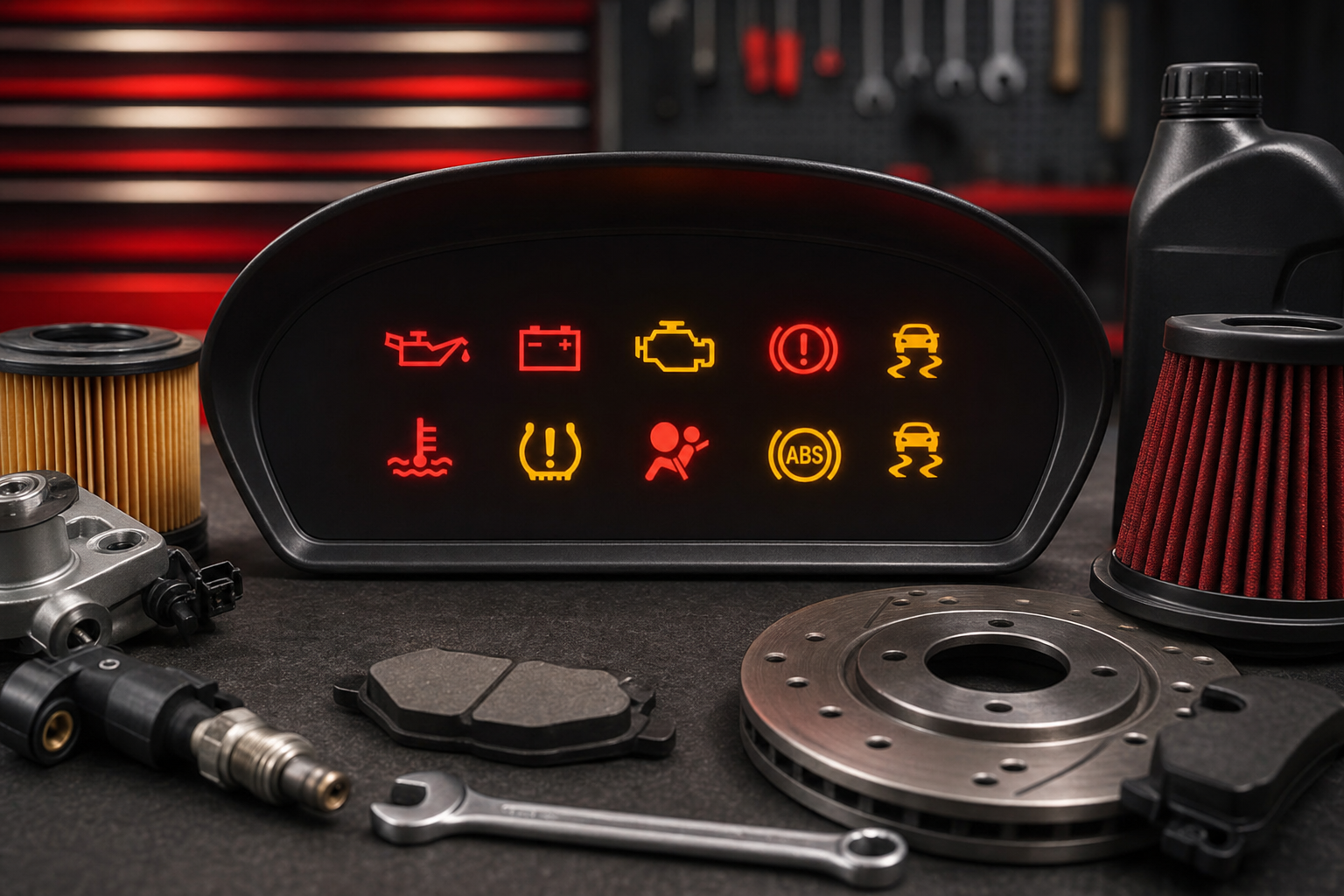
The color of the light gives you a quick read on urgency:
- Red: Stop or act immediately. Continuing to drive could cause serious damage or a safety risk.
- Yellow/Amber: Attention needed soon. The vehicle is usually still safe to drive short distances, but don't ignore it.
- Green/Blue: Informational. A system is active (like high beams or cruise control) — not a problem.
The Most Common Warning Lights Explained
Check Engine Light (Amber)
This is the one drivers dread most, but it covers a wide range of issues — from a loose gas cap to a failing catalytic converter. On its own, it doesn't tell you much. You need an OBD-II scanner to pull the specific fault code and know what you're actually dealing with.
What to buy: An OBD-II diagnostic scanner. A basic code reader will tell you the fault code; more advanced models give you live sensor data and can clear codes after a repair. This is one of the most useful tools any car owner can have in the garage.
Battery Warning Light (Red)
This light means your battery isn't charging properly. It could be the battery itself, the alternator, a loose connection, or a worn serpentine belt. If this comes on while driving, your car is running on battery reserve only — don't turn the engine off until you're somewhere safe.
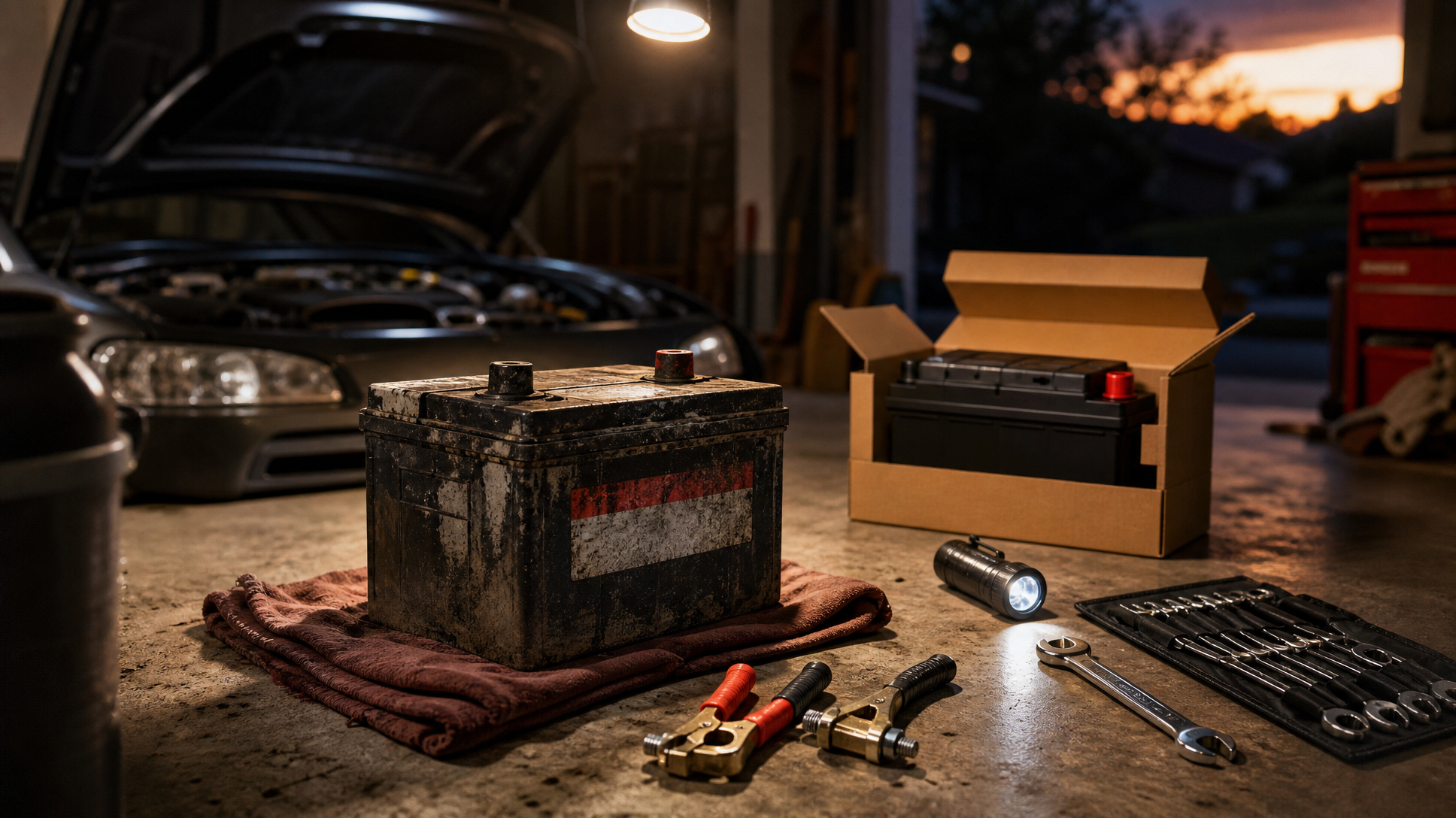
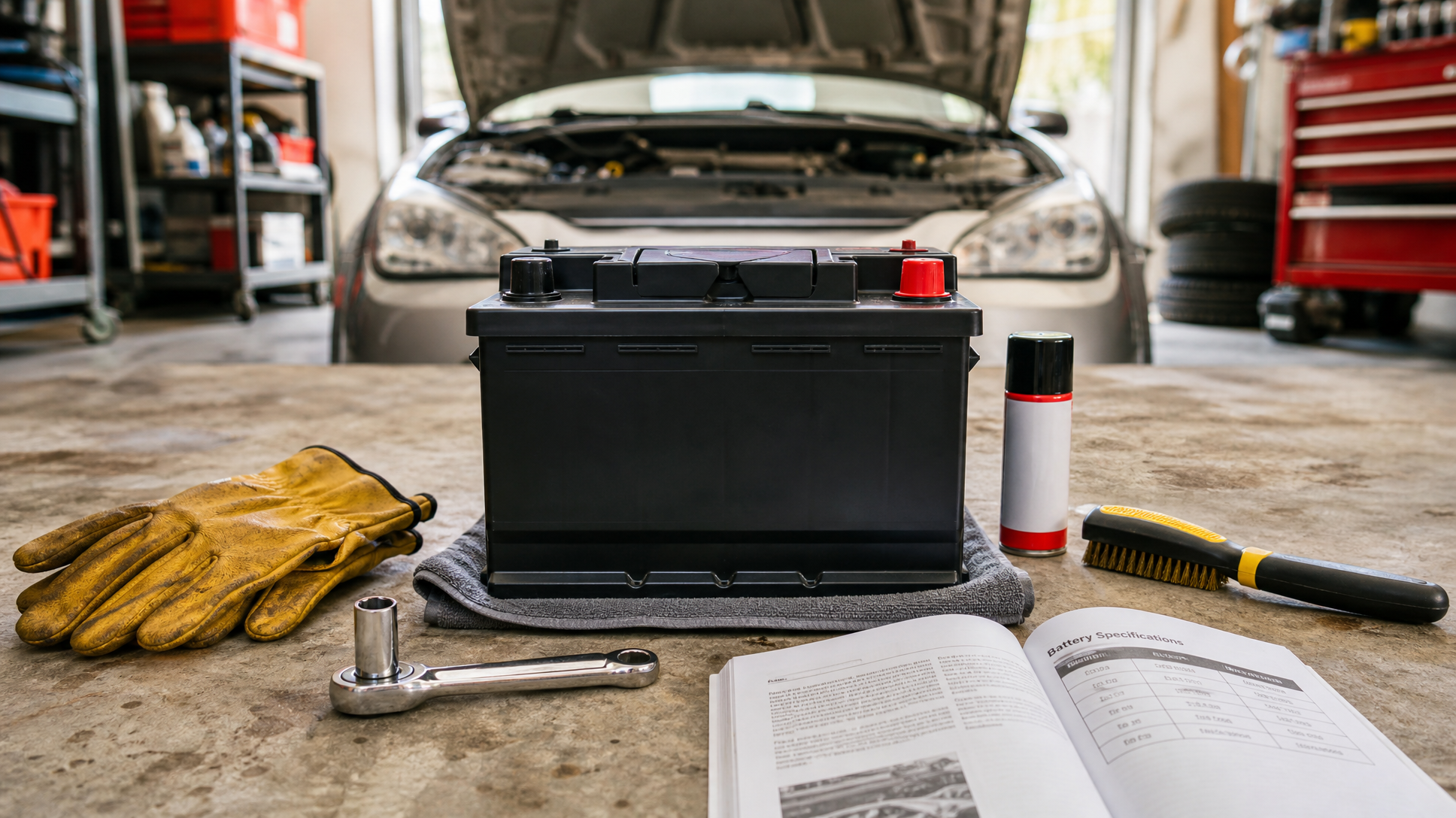
What to buy: Start with a battery tester to check charge and health. If the battery is the culprit, a replacement battery is straightforward to swap at home. If the alternator is failing, you'll need a replacement alternator.
Oil Pressure Warning Light (Red)
This is one of the most serious lights on the dash. Low oil pressure means your engine isn't being lubricated properly, and driving on it can cause catastrophic engine damage within minutes. Pull over and turn the engine off as soon as it's safe to do so.
What to buy: First, check your oil level with the dipstick. If it's low, add the correct grade of engine oil immediately. If the level is fine but the light stays on, you may have a failing oil pump or a faulty oil pressure sensor — both require further diagnosis.
Coolant Temperature Warning Light (Red)
Your engine is overheating. This can be caused by low coolant, a leaking hose, a blown head gasket, or a failing thermostat or water pump. Like the oil pressure light, this one demands immediate attention — keep driving and you risk warping the engine head.
What to buy: Check your coolant reservoir first. If it's low, top it up with the correct coolant type for your vehicle. If the system keeps losing coolant or overheating, inspect hoses for cracks and consider a replacement thermostat or water pump.
Tire Pressure Warning Light / TPMS (Amber)
Your tire pressure monitoring system has detected that one or more tires are significantly under- or over-inflated. This affects handling, fuel economy, and tire wear. It can also trigger after a temperature drop — cold air reduces tire pressure.
What to buy: A quality tire pressure gauge and a portable air compressor let you check and correct pressure at home or on the road. If the light keeps coming back after you've corrected the pressure, a TPMS sensor may need replacing.
Brake Warning Light (Red)
This light can mean your parking brake is engaged (check that first), or it can signal low brake fluid, worn brake pads, or a more serious brake system fault. Brakes are not something to delay on — if the parking brake isn't the cause, get it diagnosed promptly.
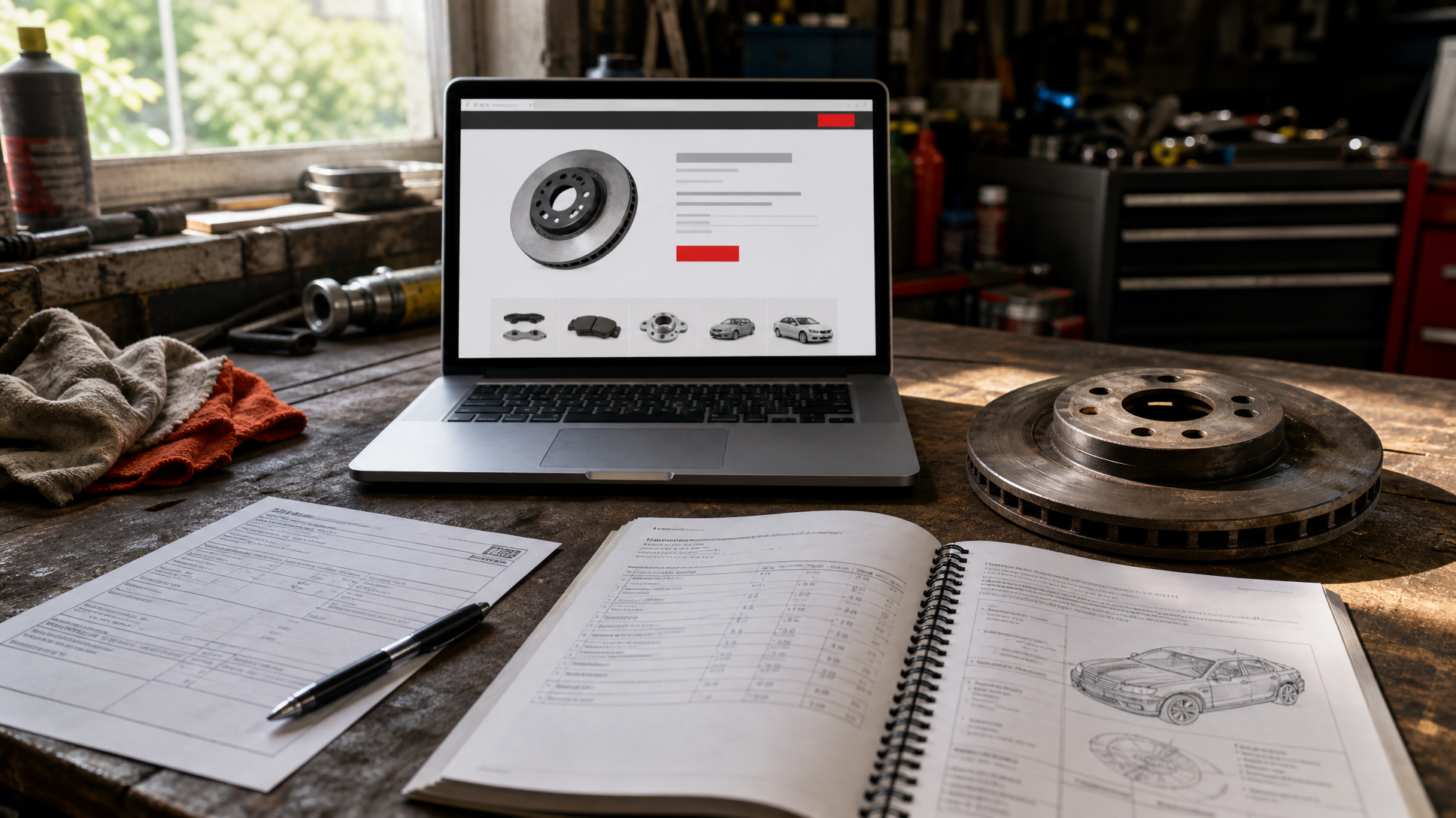
What to buy: Brake fluid if the reservoir is low. If pads are worn, replacement brake pads are a manageable DIY job for most vehicles. Always replace pads in axle pairs (both front or both rear at the same time).
Transmission Temperature Warning Light (Amber/Red)
Your transmission fluid is too hot, which typically happens during towing, stop-and-go traffic in hot weather, or when the fluid is old and degraded. Continuing to drive risks transmission damage.
What to buy: Fresh transmission fluid is the first thing to check. If you're overdue for a fluid change, that's likely the root cause. A transmission fluid temperature gauge can also help you monitor this more proactively if you tow regularly.
ABS Warning Light (Amber)
Your anti-lock braking system has detected a fault. Your standard brakes will still work, but the ABS — which prevents wheel lockup during hard braking — may not function. This is an amber-level concern: safe to drive carefully, but get it checked.
What to buy: An OBD-II scanner to pull the ABS fault code. Common causes include a faulty wheel speed sensor, which is a relatively affordable replacement part.
The One Tool Every Driver Should Own First
Before you buy any replacement part, invest in a good OBD-II scanner. It takes the guesswork out of every warning light situation — you'll know the exact fault code, which tells you precisely what part or system needs attention. Trying to diagnose a check engine light by guessing is a fast way to spend money on parts you don't need.

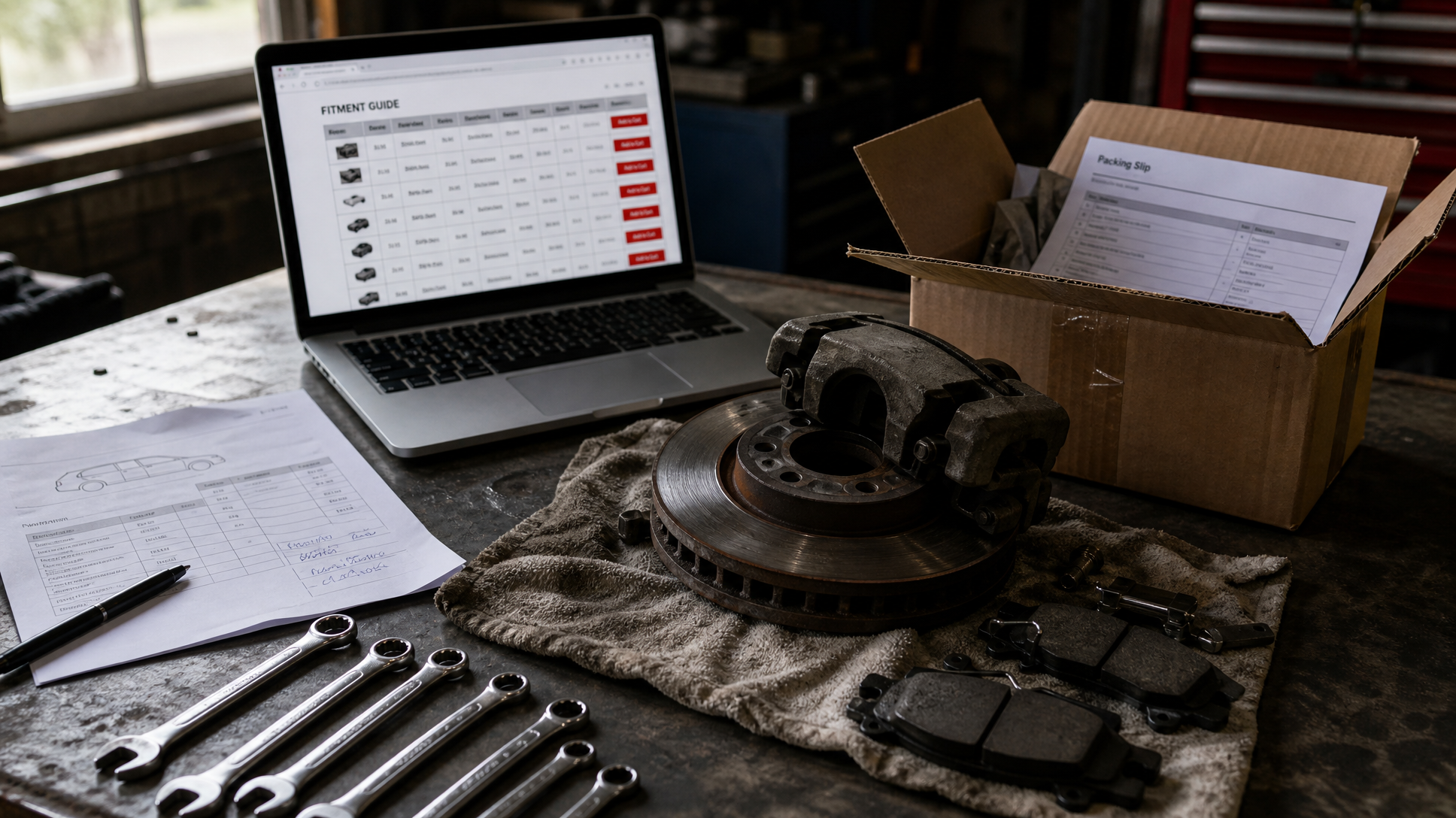
Once you have the fault code, read our guide on how to buy replacement auto parts online without getting the wrong fit — it'll walk you through how to match parts to your exact vehicle so you don't end up with something that doesn't work.
A Quick Reference: Warning Light Urgency at a Glance
- Stop immediately: Oil pressure, coolant temperature, brake system (non-parking brake)
- Act within a day or two: Battery, transmission temperature
- Address within a week: Check engine (no drivability issues), TPMS, ABS
- Monitor and schedule: Service reminders, low fuel
Don't Wait Until a Warning Light Becomes a Breakdown
Most warning lights give you a window to fix the problem before it gets worse. The drivers who end up with expensive repairs are usually the ones who saw the light, assumed it would go away, and kept driving for another two weeks. A replacement sensor or a bottle of coolant costs a fraction of what a seized engine does.
Shop replacement parts, diagnostic tools, and vehicle maintenance supplies at Carkart — with fast shipping across the USA, you can have what you need at your door before the problem gets any worse. Use code WELCOME5 for 5% off your first order.
Frequently Asked Questions
Can I drive with the check engine light on?
It depends on what triggered it. If the light is steady and the car drives normally, it's usually safe to drive short distances while you arrange a diagnosis. If the light is flashing, that typically indicates a more serious issue like an engine misfire — reduce speed and get it checked as soon as possible to avoid catalytic converter damage.
How do I find out what my specific warning light code means?
You need an OBD-II scanner to read the fault code stored in your car's computer. Plug it into the OBD-II port (usually located under the dashboard on the driver's side), and the scanner will display a code like P0420 or P0171. You can then look up that code to find the specific system or component flagged.
Will a warning light turn off on its own after I fix the problem?
Sometimes. For certain issues — like low tire pressure that you've corrected — the light may reset itself after a few drive cycles. For most fault-code-based lights, you'll need to clear the code manually using an OBD-II scanner after completing the repair, otherwise the light stays on even though the problem is fixed.
What's the difference between the brake warning light and the ABS light?
The brake warning light (usually labeled 'BRAKE' or shown as an exclamation mark inside a circle) relates to your main braking system — low fluid, worn pads, or the parking brake being engaged. The ABS light specifically refers to the anti-lock braking system. Both can appear at the same time if there's a shared fault, but they monitor different systems and should be diagnosed separately.