Cart
0
The previous owner swore it was well-maintained. The Carfax looked clean. The test drive felt fine. And now it's sitting in your driveway, and you're realizing you actually have no idea what was last serviced, when, or by whom.
That's the reality of buying used. You're not just buying a car — you're inheriting someone else's maintenance decisions (and sometimes their shortcuts). The good news: most of the critical stuff is easy to check yourself, and a lot of it is cheap to fix before a small issue turns into a real problem.
Here are five areas to work through in your first few weeks with a used car.
1. Fluids — All of Them
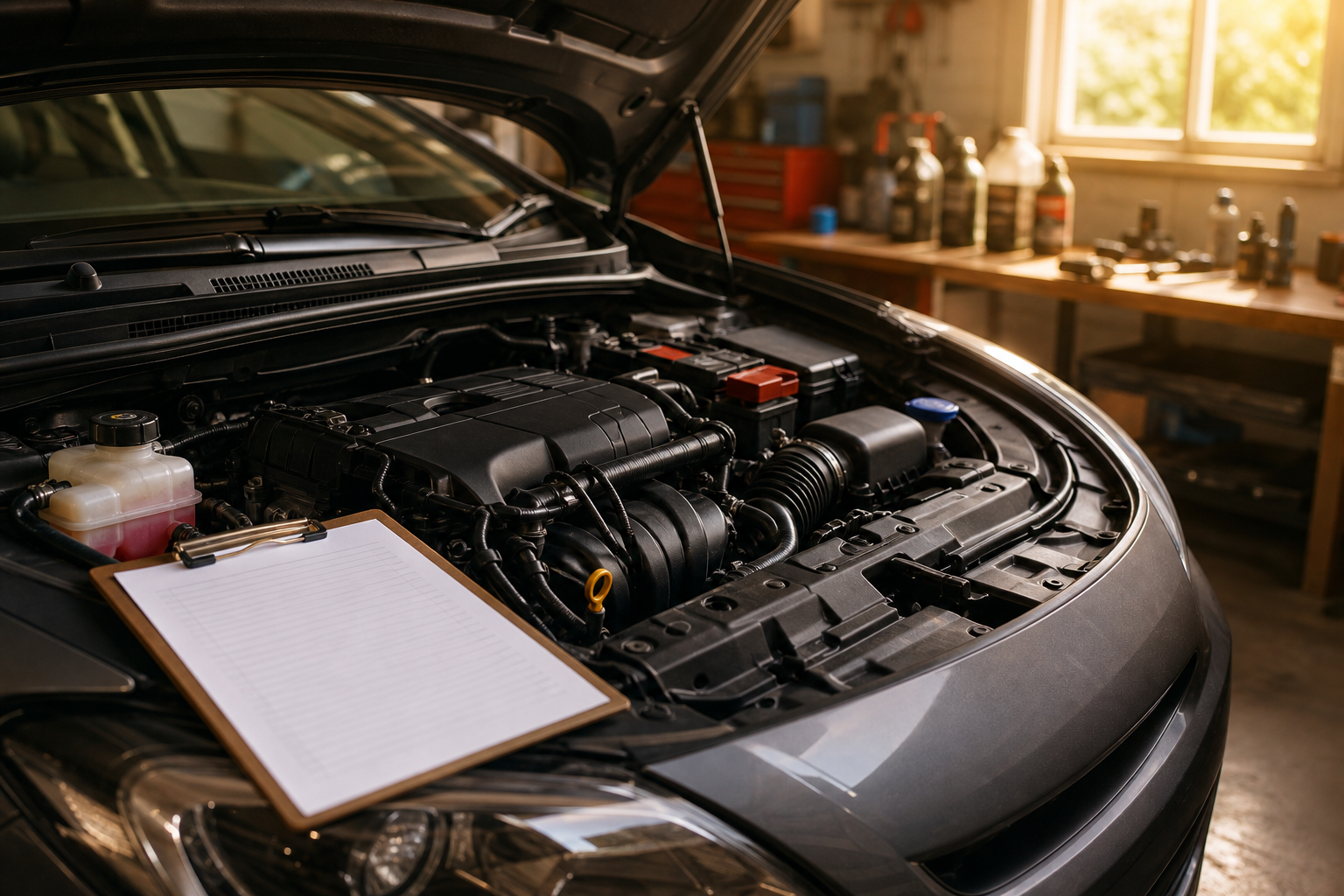
This is the fastest, most telling inspection you can do, and it takes about ten minutes with the hood up. Pull every dipstick and check every reservoir: engine oil, coolant, brake fluid, power steering fluid, and transmission fluid if your car has a dipstick for it.
You're looking at two things — level and condition. Low fluid is a warning sign. Dark, gritty, or milky fluid is a bigger one. Engine oil that looks like chocolate milk, for instance, can indicate a head gasket issue you absolutely want to know about now rather than after a highway breakdown.
Top off what's low with the correct spec fluid for your vehicle. If anything looks genuinely bad — burnt transmission fluid, coolant that's never been flushed — budget for a proper service soon. Oils and fluids are one of the most straightforward things to sort out early, and skipping it is how small problems become expensive ones.
2. Brakes — Don't Wait for the Squeal
Brake wear is one of the things sellers rarely disclose because they often don't know themselves. A car can pass a casual inspection with pads that have very little life left.
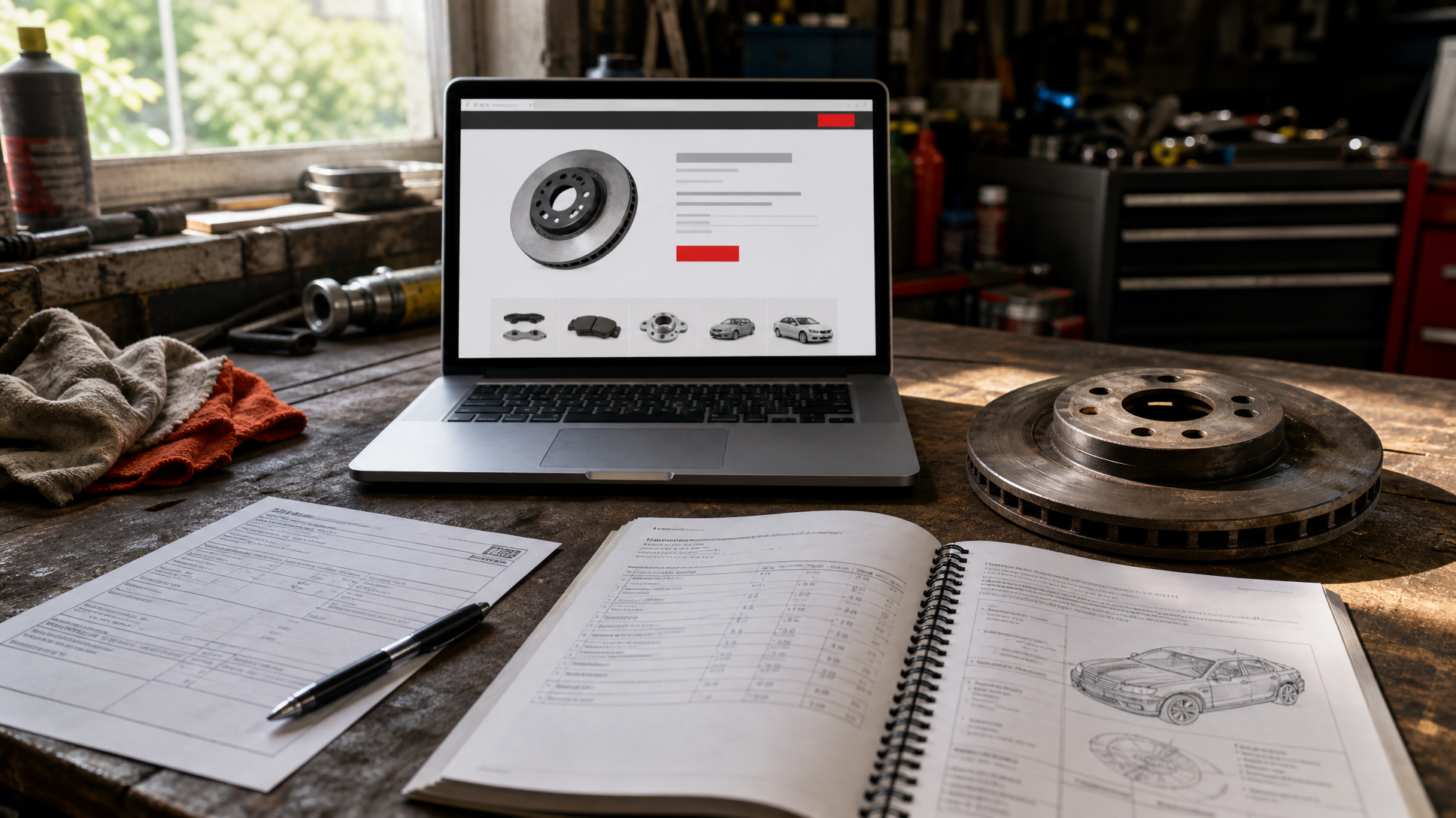
If you can safely remove a wheel, take a look at the pad thickness and rotor surface. Rotors with deep grooves or heavy rust scoring, or pads worn thin, need attention before daily driving. Even if you can't inspect them directly, pay attention during your first few drives: any pulling to one side, a spongy pedal feel, grinding, or vibration under braking is your signal to get them looked at immediately.
Brake components are not the place to defer. They're also not as expensive as people fear — replacement pads and rotors are a reasonable DIY job if you're comfortable with basic tools.
3. Belts and Hoses — The Quiet Failure Risk
Timing belts and serpentine belts don't give you much warning before they go. A snapped timing belt on an interference engine can destroy the motor entirely. A failed serpentine belt leaves you stranded and can take out the alternator and power steering with it.
Check the service history for any belt replacement records. If there aren't any, or if the car has significant mileage, factor a belt inspection — and likely replacement — into your early ownership costs. While you're at it, squeeze the coolant hoses. They should feel firm and pliable, not soft and spongy or brittle and cracked. Hoses are cheap; a burst hose on the highway is not.
This is the category where "it'll probably be fine" most often isn't.
4. Lights — Inside and Out
Walk around the car at night and check every light: headlights (low and high beam), taillights, brake lights, turn signals, reverse lights, and license plate light. It takes five minutes and it matters — a burned-out brake light is a rear-end collision waiting to happen, and a missing license plate light is an easy ticket.
Inside the cabin, check that the instrument cluster warning lights all illuminate briefly at startup and then clear. A warning light that stays on — or one that's been taped over or has a blown bulb so it can't warn you — is worth investigating. Also check interior lights, map lights, and any puddle or door lights if equipped.
Bulb replacements are among the easiest and cheapest fixes in automotive maintenance. There's no reason to drive around with a known-dead light.
5. Cabin Electronics — The Stuff You'll Use Every Day
This one gets overlooked because it feels like a comfort issue rather than a safety one. But cabin electronics are what you interact with on every single drive, and finding out your backup camera doesn't work or your Bluetooth cuts out constantly is frustrating once the purchase is done.
Test everything: the infotainment system, backup camera, USB and charging ports, climate control (both heat and A/C), power windows and locks, mirrors, and any driver-assist features the car is supposed to have. If something isn't working, it's worth knowing now — either to negotiate a fix with the seller if you haven't finalized the deal, or to plan the repair on your own timeline.
Aftermarket solutions exist for a lot of this. A car without a backup camera can be fitted with one. A dead head unit can be replaced with something better. Cabin electronics are actually one of the more satisfying areas to upgrade, because the improvement to daily driving is immediate and obvious.
One More Thing: Get the Right Parts Before You Need Them
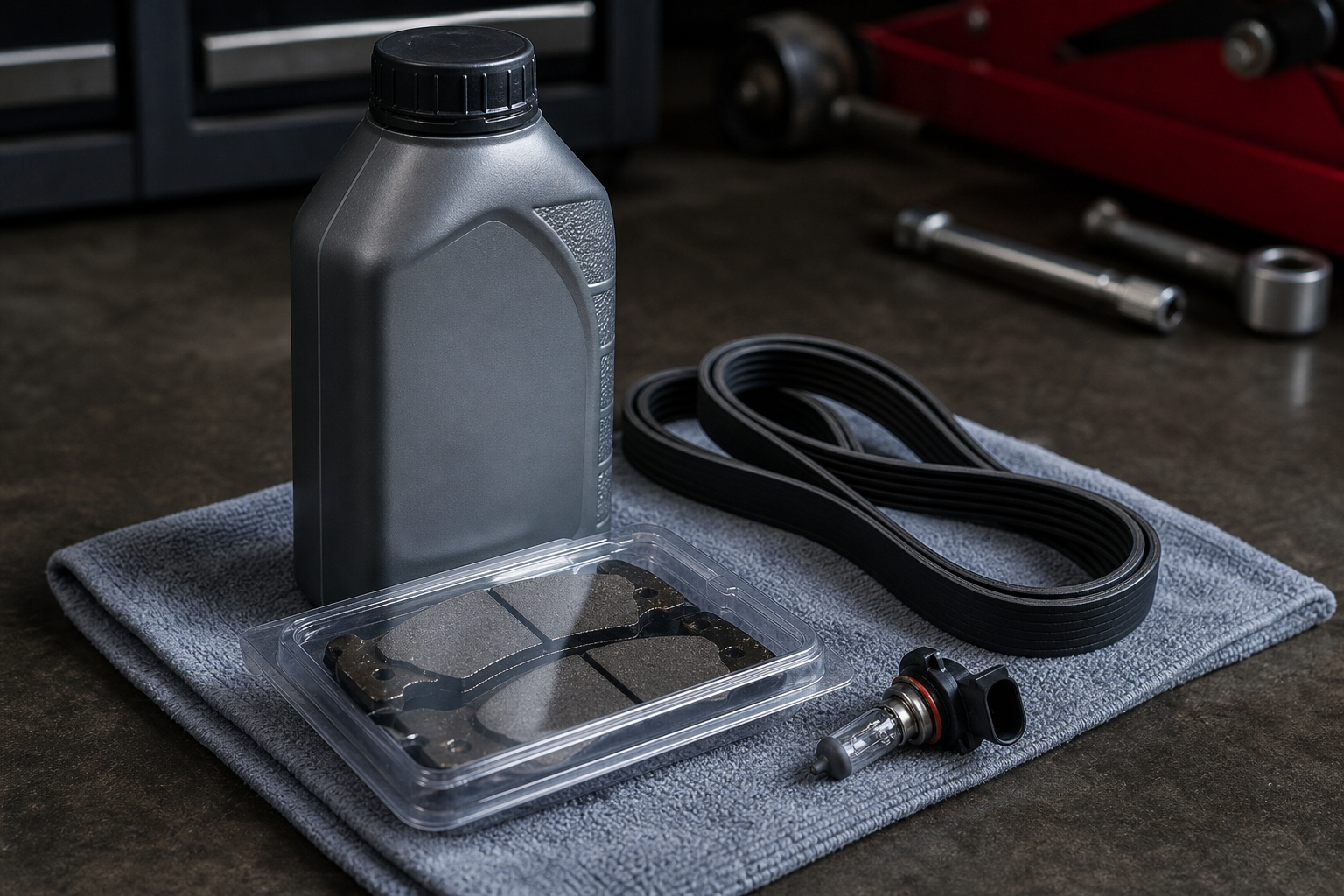
The worst time to search for a part is when your car is already broken down. Once you've done your inspection and know what needs attention, sourcing the parts in advance means you're fixing things on your schedule, not scrambling.
If you found something on this list that needs sorting, browse Carkart's catalog for replacement parts, fluids, electronics, and maintenance supplies — and if it's your first order, use code WELCOME5 for 5% off. Fast shipping across the USA, so you're not waiting around.
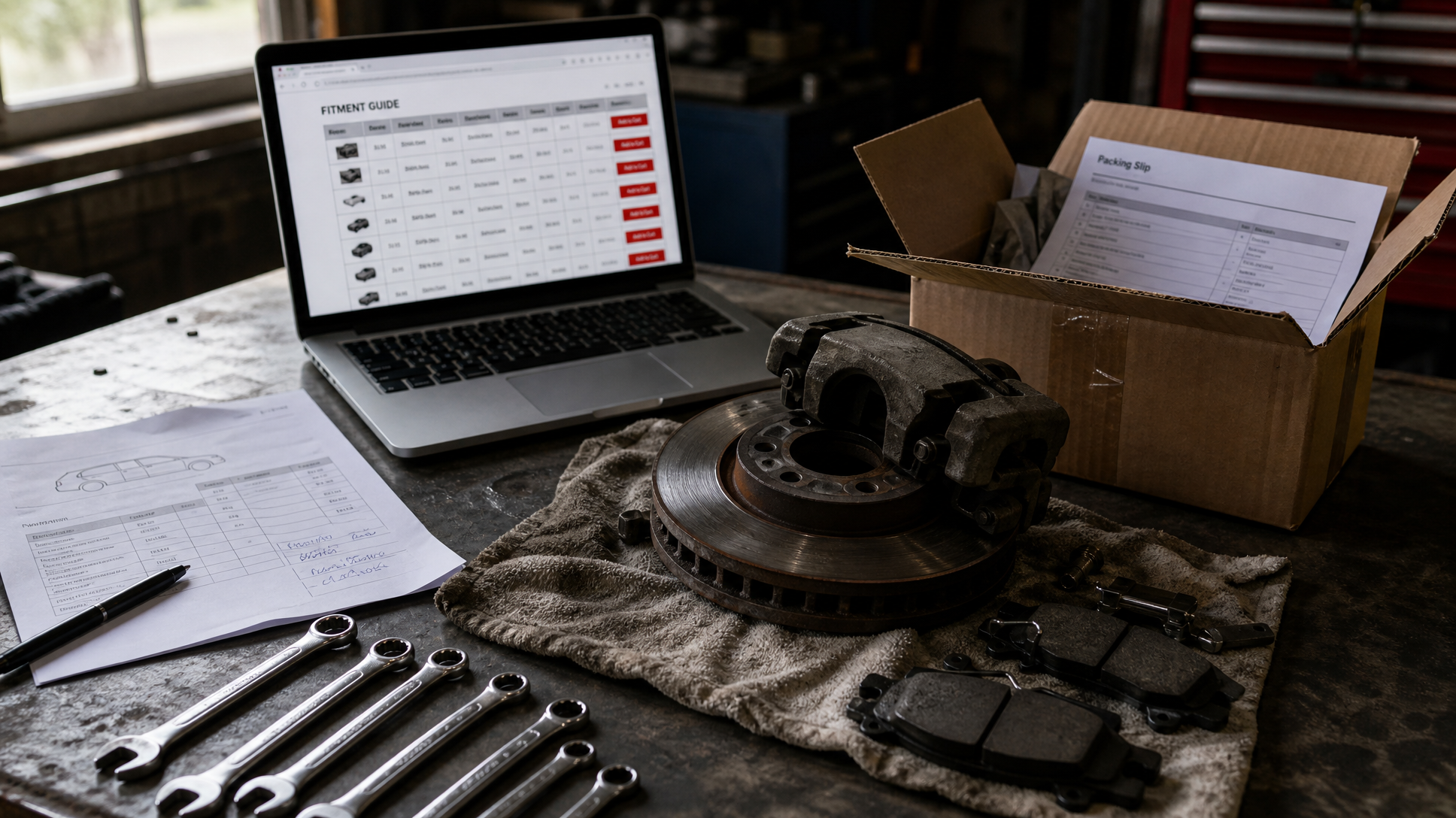
And if you're still figuring out how to make sure you're ordering the right fit for your specific vehicle, this guide on how to buy replacement auto parts online without getting the wrong fit is worth a read before you check out.
A used car can be a great buy. It just needs a few hours of honest attention in the first few weeks — and then you can drive it with actual confidence.
Frequently Asked Questions
How soon after buying a used car should I do these checks?
As soon as possible — ideally before you put serious daily miles on it. Fluids and lights you can check the same day. Brakes and belts are worth looking at within the first week or two. The goal is to catch anything the previous owner deferred before it becomes your emergency repair.
Do I need a mechanic for all of these, or can I do them myself?
Most of the checks on this list — fluids, lights, cabin electronics, a visual on the belts and hoses — require no special tools and are genuinely DIY-friendly. Brakes take a bit more comfort with basic hand tools, but are well within reach for a motivated beginner. If you find something that looks seriously wrong (milky coolant, a seized caliper, a timing belt that's clearly overdue on a high-mileage engine), that's when a professional inspection is worth the cost.
What if the previous owner has no service records at all?
Treat it as a blank slate and assume nothing has been done. That means checking everything on this list carefully, and budgeting for items like a belt replacement and fluid flush even if they look okay visually. No records doesn't always mean bad maintenance — some owners just never kept paperwork — but it does mean you can't rely on history and should verify the car's condition yourself.
Can I add a backup camera or upgrade the infotainment if the car didn't come with one?
Yes — aftermarket backup cameras and head units are widely available and compatible with a broad range of vehicles. It's one of the more rewarding upgrades to make on an older used car because the improvement to daily usability is immediate. Just make sure you're sourcing parts that are compatible with your specific vehicle's make, model, and year before ordering.