Cart
0
How to Extend Your Car Battery Life with Ease and Preserve Vehicle Performance
Your car battery is the powerhouse behind every start and electronic function of your vehicle. By mastering simple yet effective maintenance techniques, you can significantly boost your battery’s longevity and keep your vehicle performing at its best all year round.
Key Takeaways
- Regular cleaning and securing of battery terminals prevent corrosion and power loss.
- Driving habits, such as avoiding frequent short trips and idling, help maintain battery charge.
- Extreme temperatures affect battery life; protective measures can mitigate risks.
- Using a smart charger and following proper charging practices extend battery lifespan.
- Routine testing and prompt replacement prevent unexpected battery failures.
- Proper long-term storage and backup tools ensure battery health during inactivity.
Table of Contents
- 1. Consistent Maintenance: Clean and Secure Terminals
- 2. Driving Habits Impacting Battery Durability
- 3. Vehicle Environment and Battery Lifespan
- 4. Correct Battery Charging Practices
- 5. Essential Battery Testing & Replacement Timing
- 6. Long-Term Battery Storage Tips
- 7. Must-Have Tools for Battery Maintenance
- 8. Backup Plans & Surveillance for Battery Health
- 9. Summary: Strategies to Enhance Battery Life
1. Consistent Maintenance: Clean and Secure Terminals
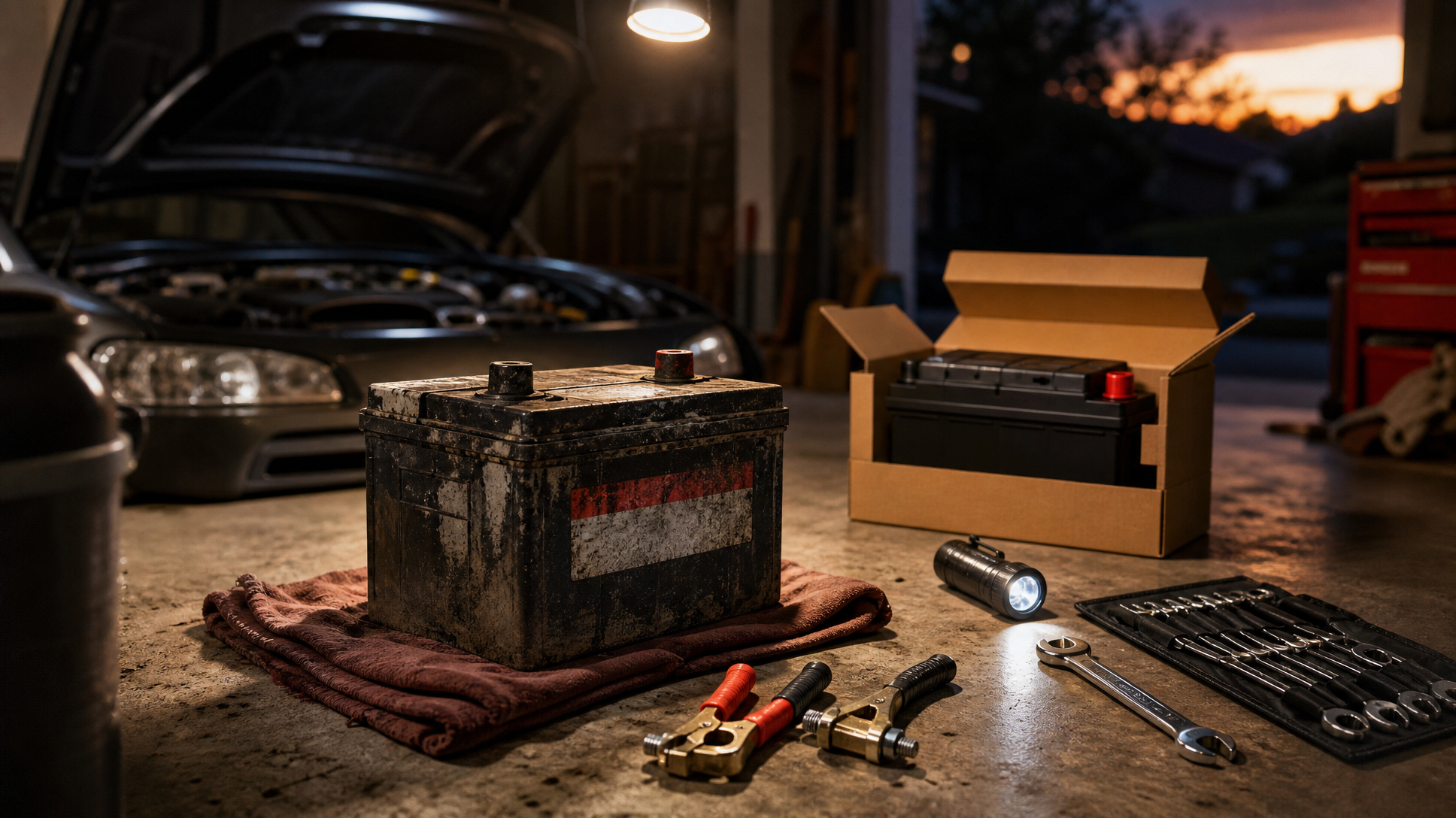
Imagine your car battery running smoothly with no hiccups—that's the power of consistent maintenance. Battery terminals often develop a blue-green corrosive layer that insulates and reduces power flow. Combat this problem by following these steps:
- Always disconnect the negative terminal before the positive one to avoid sparks.
- Create a paste using baking soda and water to clean the terminals effectively.
- Use a wire brush to scrub away corrosion carefully.
- Rinse the terminals with clean water and dry them thoroughly.
- Apply petroleum jelly or terminal protector spray to prevent future corrosion.
- Secure battery clamps snugly without over-tightening to avoid vibrations that can damage the battery.
Keeping your battery terminals clean and tight sets the foundation for efficient electrical flow and extended battery life. For more detailed tips, check out Car Parts Advisor.
2. Driving Habits Impacting Battery Durability
Your daily driving routine plays a critical role in your battery’s health. Here’s what to keep in mind:
Short Trips and Idling
Frequent short trips don’t allow your alternator enough time to fully recharge the battery, gradually lowering its capacity. To counter this:
- Combine errands and aim for longer drives lasting at least 20 minutes every few weeks.
- Avoid extended idling and using accessory modes without the engine running, as these drain battery power.
Preventing Parasitic Power Drain
Even when parked, devices like chargers, dash cams, and aftermarket radios can stealthily drain your battery. Additionally, keep your proximity keys away from the vehicle to avoid signal interference causing battery loss. Turning off or unplugging these gadgets when not in use maximizes battery readiness. Learn more at Car Parts Advisor.
3. Vehicle Environment and Battery Lifespan
Temperature fluctuations heavily influence battery health:
Heat’s Impact
Battery chemical reactions speed up under extreme heat (up to 200°F/93°C), accelerating internal deterioration and discharge rates. Batteries in hot climates may only last 2 to 3 years.
Cold Temperature Challenges
Cold slows chemical reactions, reducing starting power below 32°F (0°C). While it complicates starts, cold climates often extend overall battery life.
Protection Tips for Extreme Climates
- Use insulated battery blankets in winter to retain warmth.
- Park in shaded or cool garages in summer to reduce heat exposure.
- Consider climate-specific battery models optimized for your region.
Being proactive about environmental conditions shields your battery from premature wear. More information is available at Battery Life Lab.
4. Correct Battery Charging Practices
Mastering charging methods can prevent damage and lengthen battery life.
Choosing a Smart Charger
Smart chargers adjust voltage and current based on your battery’s status, preventing overcharging—a common cause of damage. Features often include:
- Desulfation modes to break down crystal build-up.
- Temperature sensors for adjusted charging in hot or cold conditions.
- Automatic switching between bulk, maintenance, and float charging modes.
Special Care for AGM Batteries
AGM batteries require specific chargers tailored to avoid overcharging, which can shorten their lifespan. Use chargers designed for AGM technology to give your battery the best care.
Recognizing Charging Overload
Signs such as excessive gassing (battery venting) and heat accumulation indicate dangerous overcharging. Immediate attention is crucial.
Equip yourself with the right smart charger to safeguard your battery’s health — see more at Battery Skills.
5. Essential Battery Testing & Replacement Timing
Regular testing helps catch issues early and decide when a replacement’s due.
Routine Testing Tips
- Use a digital multimeter: a fully charged 12V battery should read around 12.6 volts.
- Perform load tests to simulate starting demands and check battery response to high current draw.
- Have a professional inspection twice yearly for batteries older than 3 years or in extreme weather zones.
When to Replace Your Battery
- Notice slow cranking or dim headlights as clear signs of weakening battery power.
- Respond promptly to battery warning lights on your dashboard.
- Plan replacement proactively every 3 to 5 years to avoid sudden failures.
Stay ahead of battery troubles to keep your journeys worry-free. More details at Car Parts Advisor.
6. Long-Term Battery Storage Tips
Planning to leave your vehicle unused for more than two weeks? Protect your battery with these storage strategies:
- Disconnect the negative cable to eliminate parasitic power drain.
- Use a smart battery maintainer to keep the charge steady without risk of overcharging.
- Start the engine weekly and drive for about 20 minutes to maintain charge and lubricate engine parts.
These preventative steps help avoid deep discharge—a major cause of battery damage during inactivity. Learn more at Car Parts Advisor.
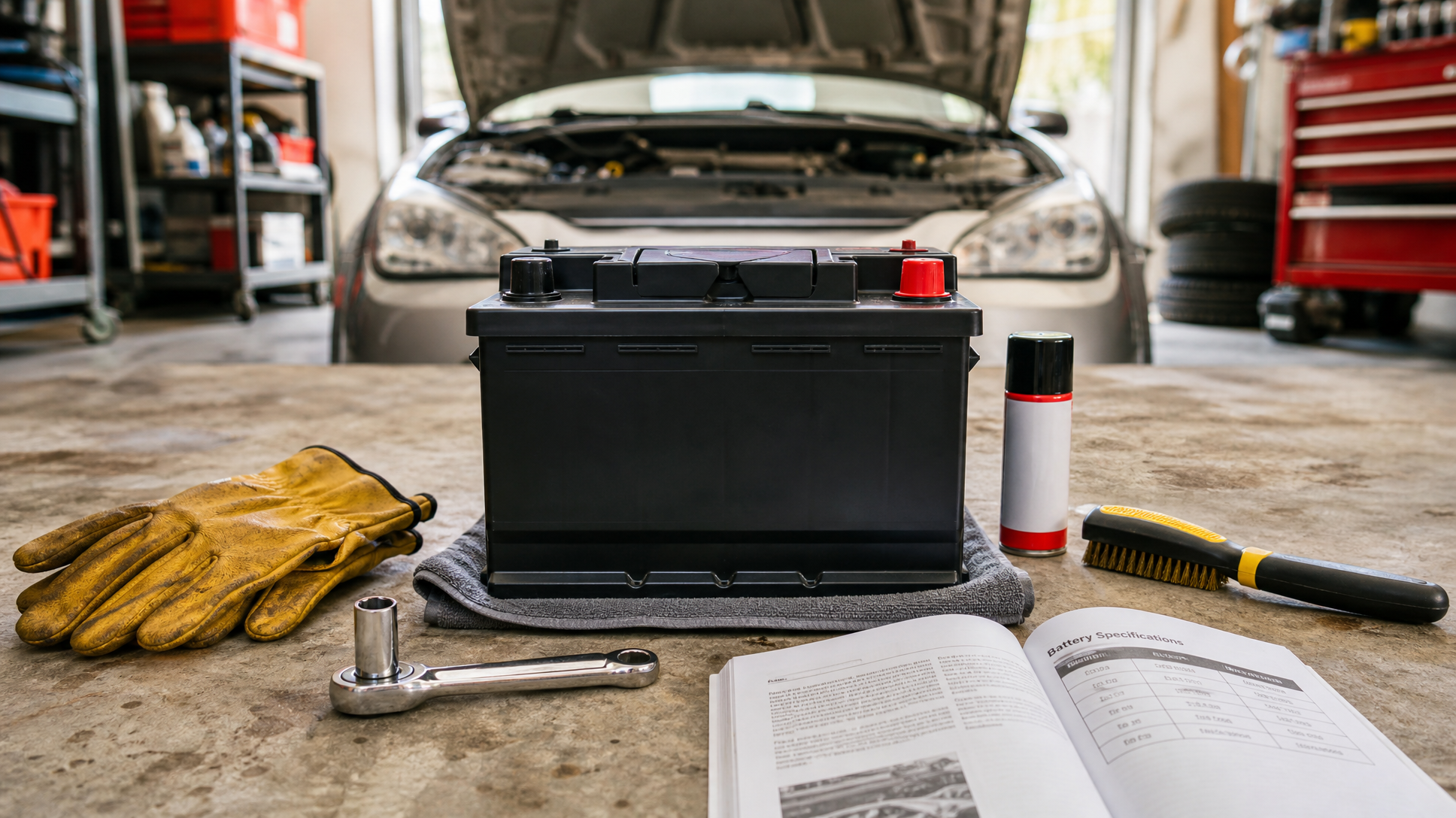
7. Must-Have Tools for Battery Maintenance
Arm yourself with essential tools to keep maintenance safe and effective:
- Wire brush for efficient terminal cleaning.
- Battery cleaner sprays with neutralizing agents like baking soda.
- Terminal protector kits to prevent corrosion after cleaning.
- Specialized wrenches to properly tighten battery clamps without damage.
- Replacement cables and clamps to swap out any corroded or faulty parts.
Quality tools ensure spotless connections and smooth power flow, helping to avoid starter issues and maintain battery efficiency. More info at Audi Annapolis.
8. Backup Plans & Surveillance for Battery Health
No matter how diligent you are, batteries can fail unexpectedly. Prepare wisely with these backup essentials:
Jump-Starters for Emergency Power
Portable jump-starters eliminate the need for another vehicle and provide instant cranking power when your battery dies.
Roadside Assistance Memberships
Memberships offer peace of mind with professional help for jump starts and battery replacements whenever needed.
Monitoring with Digital Tools
Digital multimeters and some smart chargers provide real-time insight into battery voltage and health, alerting you before issues become critical.
Setting up these safeguards minimizes surprises and costly repairs. Find out more at Consumer Reports.
9. Summary: Strategies to Enhance Battery Life
The longevity of your car battery hinges on a symphony of maintenance habits, wise driving practices, and environmental awareness. Regular terminal cleaning, smart charging, attentive testing, and thoughtful storage all contribute to a healthier, longer-lasting battery. Equip yourself with the right tools and backup plans to stay ahead of unexpected failures.
By harmonizing these expert-backed strategies, you build confidence in every start and save money over time — ensuring your journeys remain smooth and worry-free.
“A little preventive care is the best route to a battery that performs at its peak well beyond the expected lifespan.”