Cart
0
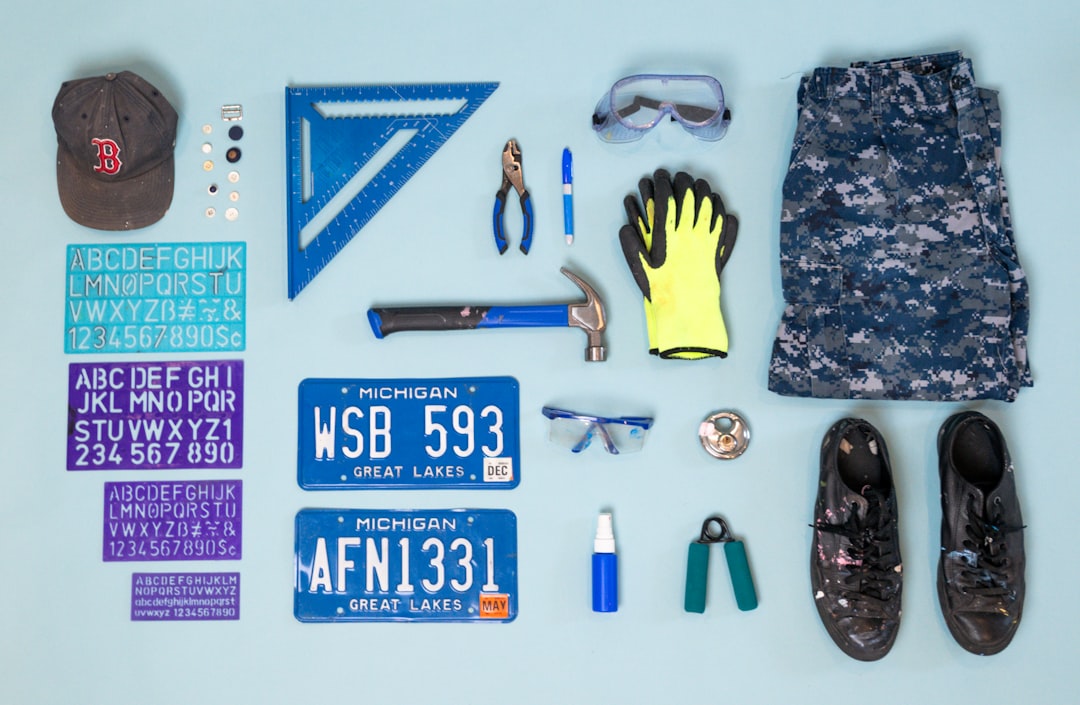
Your safety on the road starts with being prepared. Discover the essential items and expert tips to build the ultimate car emergency kit tailored to your vehicle, climate, and travel needs.
Key Takeaways
- Every driver should equip their vehicle with a comprehensive emergency kit, including medical supplies, tools, and communication devices.
- CPR and first aid training are critical complements to physical kits, enhancing your response capability.
- Select multipurpose, quality products such as portable jump starters and reflective warning devices for maximum safety and usability.
- Adjust your kit seasonally and regionally to address climate-specific hazards and road challenges.
- Maintain regular vehicle checks to prevent breakdowns and ensure your emergency gear is ready when needed.
Table of Contents
- 1. What Exactly Is a Car Emergency Kit?
- 2. Crafting the Ideal First Aid Kit
- 3. Importance of CPR Training and Emergency Readiness
- 4. Jump Starters and Jumper Cables
- 5. Essential Tools and Tire Repair Equipment
- 6. Illumination and Visibility: Reflective Warning Devices
- 7. Communication and Power Solutions
- 8. Seasonal Emergency Kit Add-Ons
- 9. Legal and Accident Preparedness
- 10. Routine Vehicle Maintenance
- 11. Expert Product Recommendations
- 12. Road Trip Safety Tips
- Conclusion
1. What Exactly Is a Car Emergency Kit? Uncovering the Basics
A car emergency kit is much more than the typical jumper cables or a spare tire; it is a thoughtfully curated collection of items designed to help you manage roadside emergencies safely and confidently. These kits include medical supplies, essential tools, safety gear, and communication aids that collectively prepare you for a broad spectrum of challenges, from minor injuries to vehicle malfunctions.
Key components every kit should contain include:
- First aid kit: Comes with bandages, antiseptics, gloves, and other medical essentials.
- Jumper cables or jump starter: To revive a dead battery safely and efficiently.
- Emergency flashlight: Durable with spare batteries for prolonged use.
- Multitool or pocket knife: Useful for various minor repairs.
- Tire repair tools/portable inflator: For temporary fixes on flat tires.
- Water and non-perishable snacks: To stay hydrated and energized.
- Blankets and warm clothing: Essential during cold conditions or overnight stranding.
- Reflective warning devices: Triangles or flares to alert other drivers.
- Chargers and power banks: To keep mobile devices powered.
- Towing straps and fire extinguisher: Helpful in vehicle recovery and small fires.
For more detailed insights, visit Ready.gov Car Emergency Kit.
2. Crafting the Ideal First Aid Kit for Your Vehicle
A well-stocked first aid kit is the cornerstone of your car emergency gear, enabling immediate response to injuries while awaiting professional help.
Your vehicle-specific first aid kit should include:
- Various sizes of adhesive bandages
- Sterile gauze pads and adhesive tape
- Antiseptic wipes and ointments
- Tweezers and scissors
- Instant cold packs
- Non-latex disposable gloves
- Thermometer
- Burn cream
- Pain relievers such as aspirin or ibuprofen
- First aid manual
Keep your supplies up to date and consider robust kits like MyMedic's MyFAK which offers over 115 medical essentials optimized for vehicle situations.
3. Understanding the Importance of CPR Training and Emergency Readiness
Physical tools alone won’t suffice without the knowledge to use them effectively. CPR and first aid training can equip you to save lives during accidents or sudden medical crises on the road.
- Enable aid for unconscious individuals until professional help arrives
- Prepare to handle trauma and choking emergencies
- Build confidence, reducing panic and improving emergency responses
Explore certifications and courses from the American Red Cross to keep your skills sharp.
4. Jump Starters and Jumper Cables: Safely Powering Your Vehicle
Dead batteries are among the most frequent causes of roadside delays, making jump starters or jumper cables indispensable.
Compare Jumper Cables and Portable Jump Starters:
- Jumper cables: Require another vehicle, knowledge to operate safely; can be bulky.
- Portable jump starters: Compact, rechargeable, work independently, often have USB ports and built-in flashlights.
Experts recommend models like the Noco Boost Plus GB40 for their power and safety features. Remember to learn proper jump-starting procedures to avoid damage.
5. Essential Tools and Tire Repair Equipment
Flat tires can happen anytime—having the right equipment can save you from long waits and unsafe situations.
Always keep in your car:
- Fully inflated spare tire compatible with your vehicle
- Tire inflator or compressor for rapid air restoration
- Tire sealant for temporary flat tire fixes
- Jack and lug wrench for replacing tires
- Work gloves for hand protection during repairs
Consider trusted devices like the Avid Power Tire Inflator for reliable inflation and assistance during travels.
6. Illumination and Visibility: Hone Safety With Reflective Warning Devices
Visibility during an emergency is critical to prevent secondary accidents, especially at night or in poor weather.
Recommended safety lighting gear:
- Reflective warning triangles positioned behind your vehicle
- Road flares or LED emergency lights for enhanced visibility
- High-quality waterproof flashlights such as the ThruNite Archer (IPX8 rating)
- Reflective safety vests to wear when outside your vehicle
Always confirm local laws about required visibility devices to comply and ensure your safety.
7. Communication and Power: Staying Connected During Emergencies
A charged phone can be your lifeline in many emergencies.
To keep your devices operational:
- Use a reliable car charger compatible with your phone
- Carry a high-capacity portable power bank, such as the Anker 737
- Regularly inspect charging cables for wear and functionality
- Consider solar chargers for extended trips or remote locations
Proper device power management ensures you can reach emergency services or contacts without delay.
8. Seasonal Emergency Kit Add-Ons for Climate-Specific Readiness
Tailor your kit annually and regionally by adding climate-focused items.
Winter Essentials:
- Ice scraper and snow brush
- Extra blankets or Mylar thermal blankets
- Hand warmers and chemical heat packs
- Waterproof gloves and warm clothing
- Road salt or sand for traction
Summer or Warm Weather Additions:
- Sunscreen and protective hats
- Rain poncho for sudden storms
- Extra water bottles and electrolyte drinks
- Lightweight dark-colored clothing and insect repellent
Customize your kit according to where and when you drive for optimal preparedness. More info at AAA’s Car Emergency Kit Essentials.
9. Legal and Accident Preparedness: Navigating the Challenges When Things Go South
Accidents are stressful, but having the right knowledge and documents at hand can ease the aftermath.
Keep these on hand:
- Driver's license, vehicle registration, and proof of insurance
- Pen and notebook for notes on accident details
- Contact info for law enforcement and roadside assistance
- Awareness of local accident reporting laws
Extra precautions for hazardous roads:
- Carry larger emergency kits with additional safety items
- Maintain heightened vigilance in risky areas prone to accidents
- Ensure all safety gear is inspected and ready at all times
For legal guidance post-accident, consult resources like The May Firm.
10. Routine Vehicle Maintenance: A Silent Hero of Road Safety
No emergency kit can fully compensate for vehicle neglect. Regular maintenance is crucial to prevent breakdowns and boost safety.
Key maintenance tasks include:
- Battery inspections and timely replacements
- Checking tire pressure and tread condition regularly
- Scheduled oil changes and fluid level monitoring
- Brake and lighting system checks
- Seasonal tune-ups to prepare for weather changes
Routine care complements your emergency kit perfectly, ensuring a smooth and safe driving experience.
11. Expert Product Recommendations for Your Car Emergency Kit
Here are some top-rated products trusted by experts for their reliability and ease of use:
- Jump Starter: Noco Boost Plus GB40 – compact, powerful, and safe
- Flashlight: ThruNite Archer – waterproof and durable (IPX8)
- Multitool: Leatherman Wave Alpha – combines multiple tools in one
- First Aid Kit: MyMedic MyFAK – over 115 medical supplies optimized for vehicles
- Tire Inflator: Avid Power Tire Inflator – quick and user-friendly
- Warning Triangles: Cartman DOT-approved reflective triangles
- Fire Extinguisher: First Alert FE10GR Class B/C – designed for vehicle fires
- Power Bank: Anker 737 – rapid charging and high capacity
Start your kit with these essentials and customize according to your driving habits and environment.
12. Road Trip Safety Tips: Ready for the Unexpected
Long journeys require additional caution and preparation beyond the basics.
- Organize your emergency kit neatly, segmented by use and season
- Schedule comprehensive pre-trip vehicle inspections—fluids, tires, lights
- Inform someone of your travel route and expected arrival times
- Bring extra food and water beyond your emergency kit
- Plan frequent stops to rest and reassess safety during extended drives
These practical steps help minimize stress and heighten your preparedness. More tips available at Travelogue’s Road Trip Safety Tips.
Conclusion: Empowering Yourself With Holistic Roadside Preparedness
Building and maintaining a car emergency kit tailored to your vehicle, climate, and travel style is a vital step every driver must take. Combine this with routine vehicle maintenance, CPR training, and understanding legal protocols to enhance your roadside safety further.
- Adapt your kit seasonally and to regional risks
- Choose compact, versatile, high-quality products
- Keep emergency documentation accessible and communication devices charged
- Stay informed on local road hazards and emergency procedures
- Invest in ongoing first aid and CPR education
Proper preparation transforms the open road into a domain of safety and confidence, ready for any challenge. Begin assembling your essential car emergency kit today.
FAQ
Q1: How often should I check and update my car emergency kit?
It's recommended to inspect your emergency kit at least twice a year. Check for expired medical supplies, battery levels in electronics, and the condition of all tools, replacing items as needed to ensure readiness.
Q2: Are portable jump starters safer than jumper cables?
Portable jump starters generally provide a safer and more convenient option as they don't require another vehicle and reduce risk of incorrect connections. They also often include safety features like reverse polarity protection.
Q3: What should I do if I get stranded in extreme weather?
Stay inside your vehicle for shelter, use blankets or warm clothing to retain heat in cold weather, and signal for help with reflective devices. Only leave the vehicle if it's safe and necessary, and ensure your phone is charged to call for assistance.
Q4: Is CPR training really necessary for drivers?
Yes. CPR training equips drivers to provide immediate assistance in life-threatening situations such as accidents, increasing the chances of survival for victims until emergency teams arrive.
Q5: How can I customize my emergency kit for seasonal changes?
Add climate-specific items such as thermal blankets and ice scrapers in winter, and sunscreen, extra water, or insect repellent in summer. Keep evaluating your kit as weather conditions shift to maintain optimal preparedness.