Cart
0
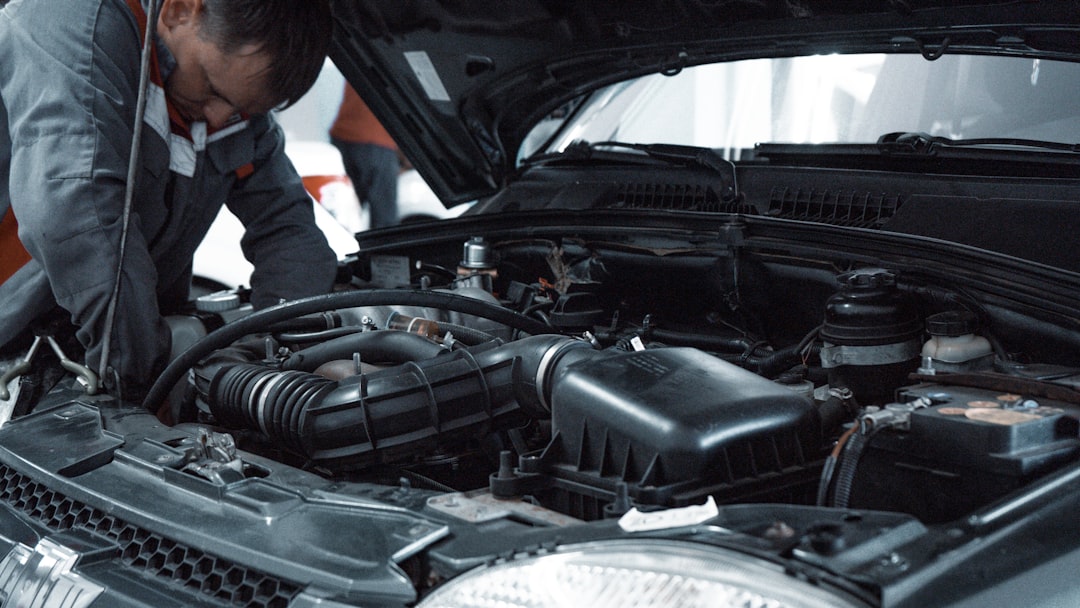
The Ultimate Vehicle Maintenance Schedule: Essential Tips for Long-Lasting Performance
Maintaining a well-planned vehicle maintenance schedule is essential to keep your vehicle running smoothly, safely, and efficiently over time. By following key mileage milestones and leveraging expert advice, you can avoid costly repairs and extend your vehicle’s lifespan.
Estimated Reading Time
8 minutes
Key Takeaways
- Follow a mileage-based maintenance schedule at 30,000, 60,000, and 90,000 miles to keep your vehicle in top shape.
- Choose synthetic oil for longer intervals and better engine protection; change oil filters with every oil change.
- Rotate tires every 5,000 to 8,000 miles, and replace them generally around 50,000 miles depending on conditions.
- Regular brake inspections and timely brake fluid replacement ensure safety and prevent costly repairs.
- High-mileage vehicles require extra care including spark plug replacement, fluid flushes, and battery checks.
- Utilize manufacturer’s guidelines and professional services to maintain warranty and vehicle reliability.
- Technology like maintenance apps can streamline scheduling and remind you of essential services.
Table of Contents
- 1. Vehicle Maintenance Schedule by Mileage Milestones
- 2. Oil Changes: Synthetic Oil vs. Conventional Oil
- 3. Tire Care: Rotations, Replacements, and Selection Tips
- 4. Brake System Maintenance: Ensuring Road Safety
- 5. High-Mileage Vehicle Care: Maintenance Post-50,000 Miles
- 6. Alignment and Suspension Checks: Smooth Handling and Tire Health
- 7. Utilizing Manufacturer’s Maintenance Schedules and Expert Services
- 8. Technology and Tools for Streamlined Maintenance
- 9. Benefits of Regular Vehicle Maintenance
- 10. Summary: Prolong Your Vehicle's Lifetime with Timely Care
- FAQ
1. Vehicle Maintenance Schedule by Mileage Milestones
Following a clear mileage-based maintenance schedule helps you manage your vehicle’s upkeep efficiently and prevent unexpected breakdowns. Below are the crucial tasks at each milestone:
30,000 Miles
- Change synthetic oil and oil filter every 5,000 miles or as recommended
- Rotate tires and inspect them every 6,000–8,000 miles
- Check brake pads and brake fluid; replace the air filter
- Inspect the cooling system and top up fluids
60,000 Miles
- Replace spark plugs and timing belts
- Exchange transmission fluid and flush power steering fluid
- Have professionals evaluate suspension and wheel alignment
90,000 Miles and Beyond
- Adjust valves if necessary; replace belts and hoses
- Inspect exhaust systems and test battery health
- Clean sensors and replace fuel injectors for optimal performance
Consistent maintenance at these intervals can extend your vehicle’s lifespan beyond 200,000 miles.
2. Oil Changes: Synthetic Oil vs. Conventional Oil
Your engine oil is its lifeblood, reducing friction, preventing corrosion, and managing heat. Choosing the right oil type and changing it regularly safeguards your engine’s health.
Why Use Synthetic Oil?
Synthetic oils last longer and perform better under extreme conditions than conventional oils. Typically, synthetic oil changes can be spaced between 7,500 to 10,000 miles, while conventional oils require changes every 3,000 to 5,000 miles. However, older vehicles or those driven in harsh environments may still need 3,000-mile intervals.
Changing Oil Filters
Replace the oil filter every time you change your engine oil. This ensures dirt and debris don’t circulate within the engine, protecting your vehicle and maintaining clean oil flow.
It is paramount to consult your vehicle owner's manual to follow the manufacturer-recommended oil types and service intervals to maintain optimal engine health.
3. Tire Care: Rotations, Replacements, and Selection Tips
Tires maintain your vehicle's grip on the road, making their upkeep vital for safety and performance.
Tire Rotation for Even Wear
Rotate your tires every 5,000 to 8,000 miles, ideally during oil changes, to ensure even wear. This extends their life and maintains traction.
When to Replace Tires
Most tires last roughly 50,000 miles, but this depends heavily on driving habits and road conditions.
Choosing the Right Tires: Key Types and Brands
- All-Season Tires: Versatile for most climates.
- All-Terrain Tires: Durable for diverse terrains.
- Performance Tires: Enhance handling and speed.
- Winter Tires: Designed for snow and ice traction.
Leading brands like Bridgestone Tires and Firestone offer excellent selections:
- Bridgestone: Blizzak (winter), Ecopia (fuel efficiency), Turanza (quiet rides)
- Firestone: Destination (off-road), Firehawk (all-season), WeatherGrip (weather adaptability)
4. Brake System Maintenance: Ensuring Road Safety
The brake system is crucial for your safety and demands consistent attention.
Brake Pad Lifespan and Signs of Wear
Brake pads typically last 10,000 to 20,000 miles, depending on usage. Pay attention to squeaks or grinding noises as early warnings of wear.
Brake Fluid Replacement
Brake fluid absorbs moisture over time, which can reduce braking efficiency and corrode components. Replace brake fluid every 20,000 to 45,000 miles or roughly every two years.
Comprehensive Brake System Checks
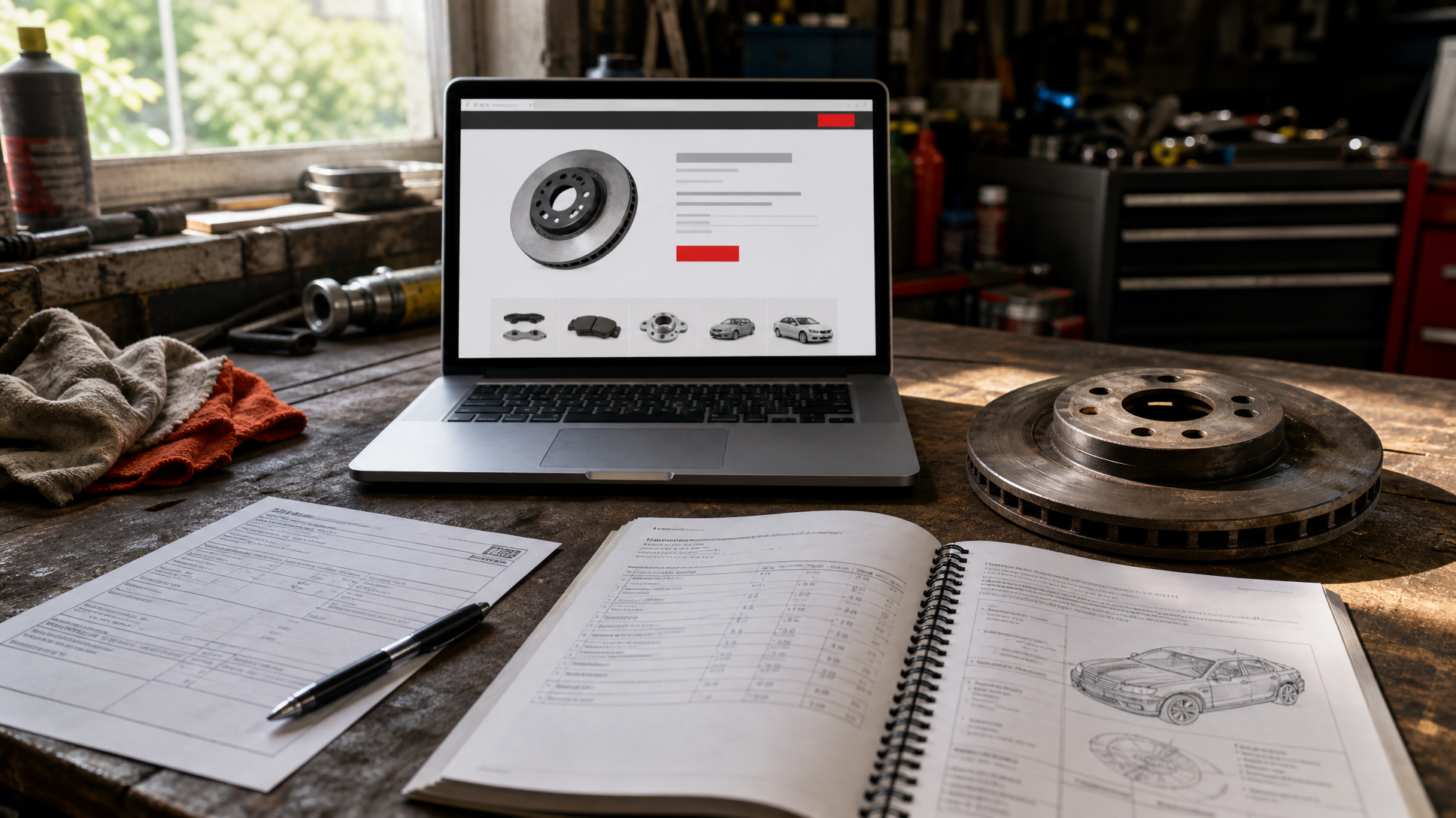
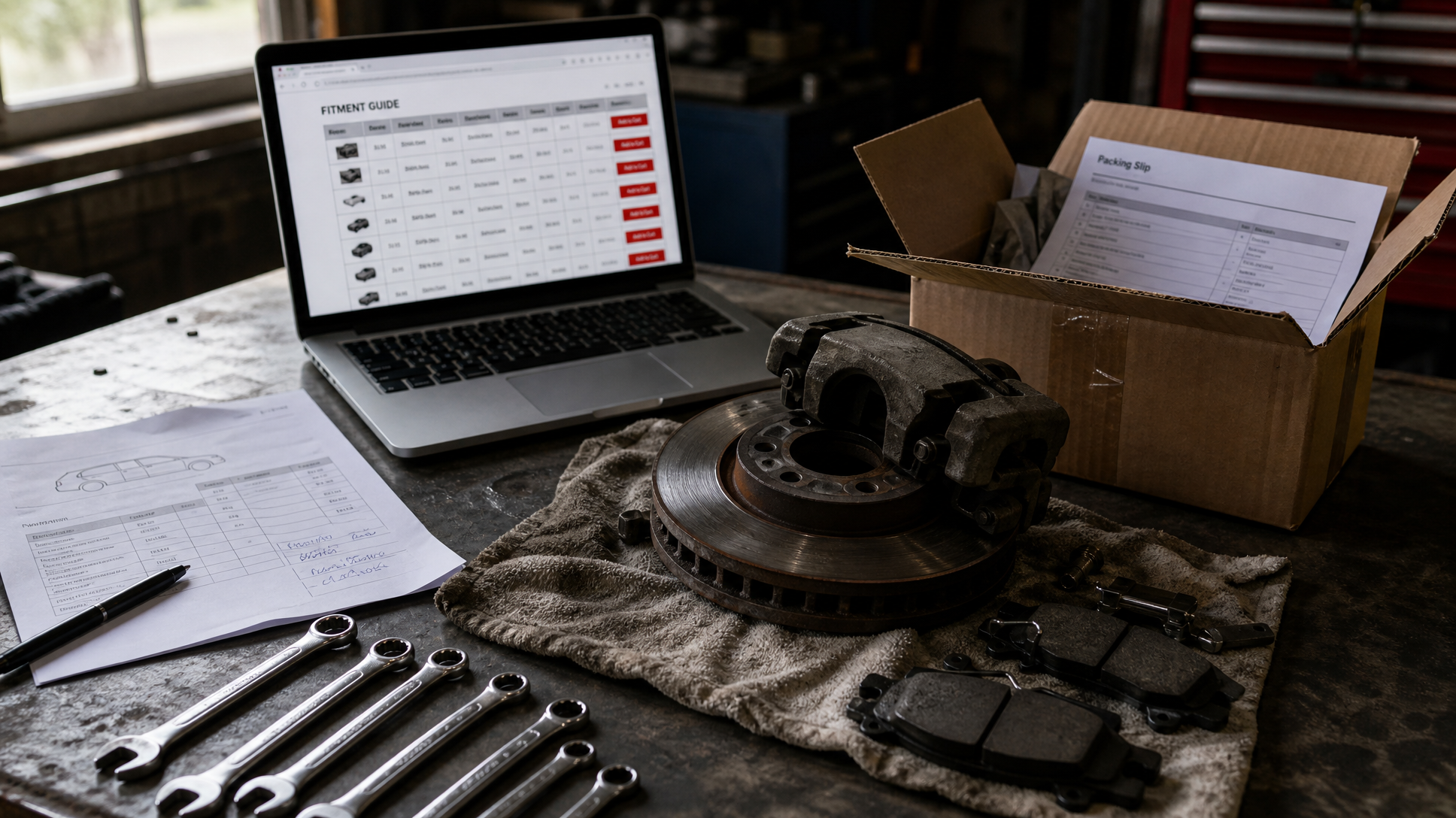
Professional technicians inspect rotors, brake lines, and calipers to maintain optimal braking performance and prolong system life.
5. High-Mileage Vehicle Care: Maintenance Post-50,000 Miles
Beyond 50,000 miles, vehicles require more attentive care to preserve reliability and performance.
- Spark Plugs: Replace every 60,000 to 100,000 miles per the manufacturer’s guidelines.
- Belts and Hoses: Regular inspections and timely replacement prevent overheating and steering issues.
- Suspension and Wheel Alignment: Frequent checks improve handling and tire lifespan.
- Fuel Filter Replacement: Maintains clean fuel flow.
- Transmission Fluid Change: Supports smooth shifting and avoids costly transmission damage.
- Power Steering Fluid Flush: Keeps steering smooth and prevents pump failures.
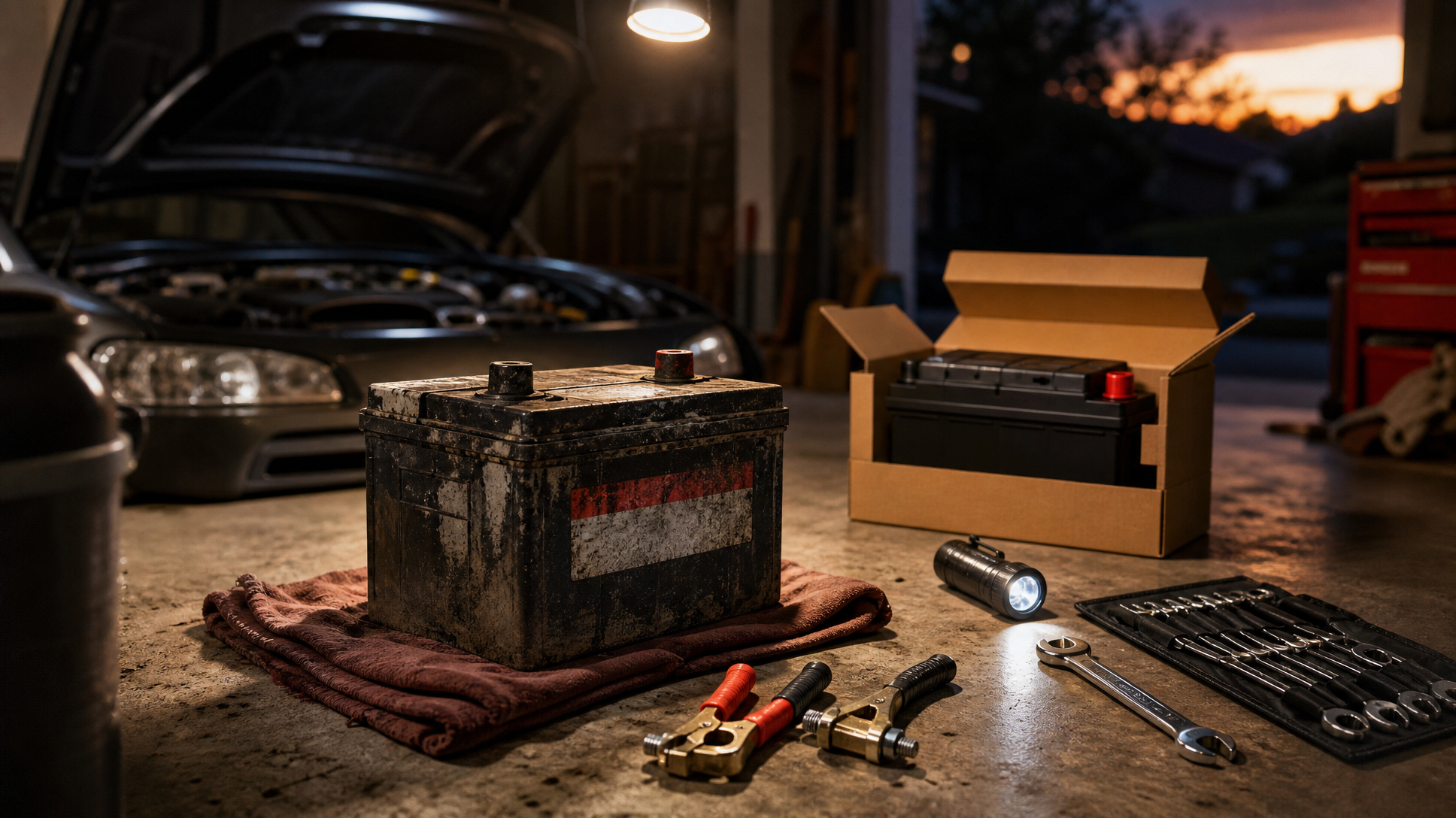
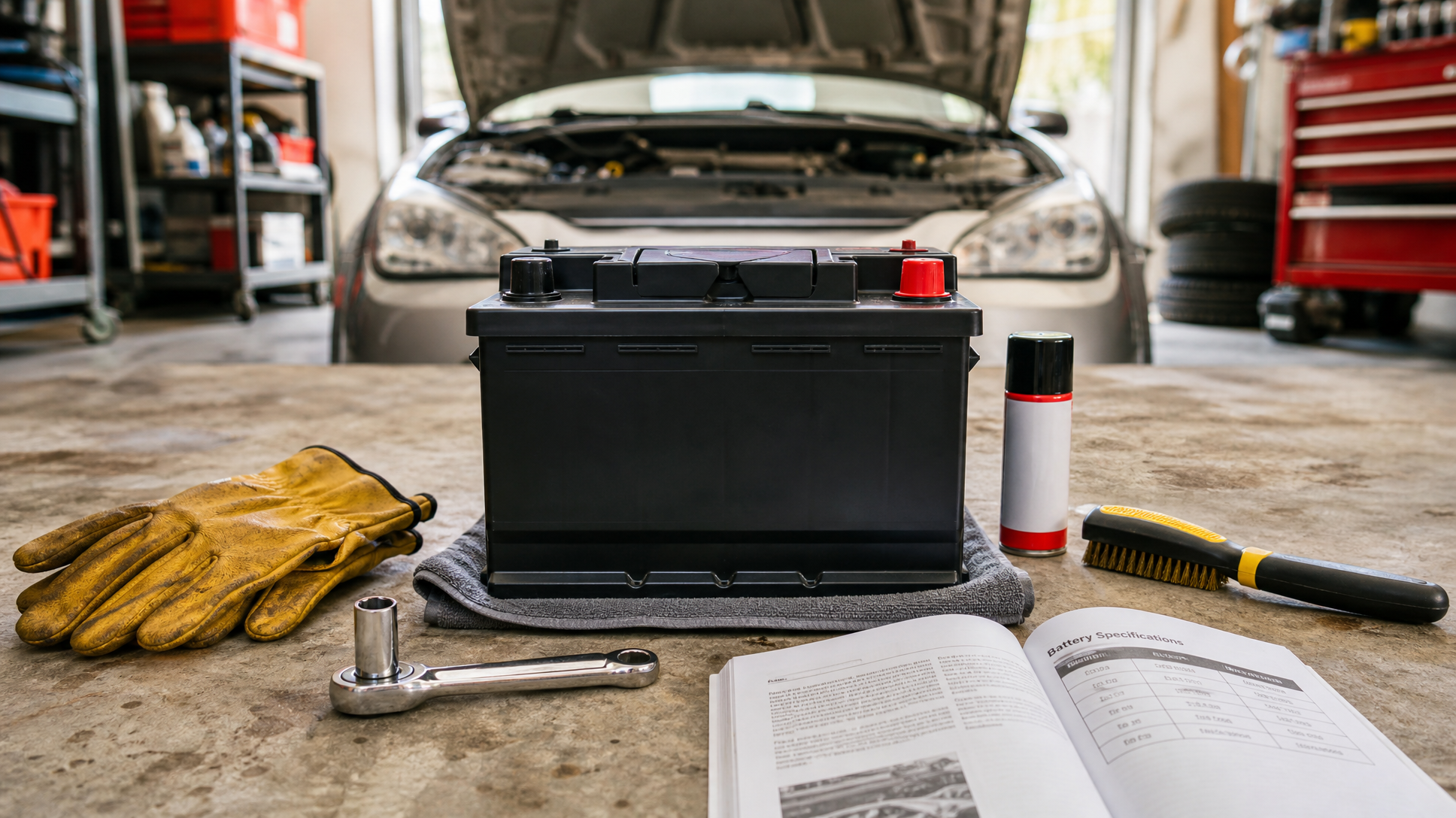
- Battery Inspection: Replace batteries around every five years or 60,000 miles to avoid unexpected failures.
- Exhaust and Sensor Checks: Reduce emissions and improve fuel economy.
6. Alignment and Suspension Checks: Smooth Handling and Long-Term Tire Health
- Wheel Alignment: Check every six months or 6,000 miles to avoid uneven tire wear and maintain handling.
- Suspension System: Inspect shocks and struts regularly, especially after off-road or rough driving, as worn parts affect control and braking distances.
7. Utilizing Manufacturer’s Maintenance Schedules and Expert Services
Always refer to your vehicle owner's manual for manufacturer-recommended maintenance intervals and parts. Ignoring these could compromise warranties and vehicle safety.
Benefits of Professional Inspections
Certified service centers like Firestone Complete Auto Care offer:
- Convenient online appointment booking
- 19-point courtesy inspections during routine oil changes
- Free vehicle inspections covering brakes, tires, and fluids
- Wiper blade replacements for optimal visibility every 6 to 12 months
8. Technology and Tools for Streamlined Maintenance
Mobile applications simplify tracking maintenance schedules, reminding you of oil changes, tire rotations, and more.
For example, the Firestone MyFirestone app helps you stay proactive, reduce missed service opportunities, and save money in the long run.
9. Benefits of Regular Vehicle Maintenance
- Enhanced Fuel Efficiency: Clean engines and well-maintained tires improve mileage.
- Extended Vehicle Life: Early problem detection prevents costly repairs and prolongs your car’s usability.
- Reduced Emissions: Proper maintenance means fewer pollutants released.
- Enhanced Safety: Well-maintained brakes, tires, and suspension lower accident risks.
- Increased Resale Value: A documented maintenance history builds buyer trust and maximizes value.
10. Summary: Prolong Your Vehicle's Lifetime with Timely Care
By adhering to a thorough vehicle maintenance schedule based on mileage milestones, paying close attention to tire health, brake system upkeep, and utilizing modern tools and professional services, you ensure your vehicle remains reliable, safe, and efficient for the long haul.
Remember: proactive maintenance always outperforms reactive repairs. Stay ahead of your vehicle’s needs for smoother rides, fewer breakdowns, and enhanced long-term value.
For expert service appointments, detailed tire guidance, or general maintenance queries, contact your trusted local auto care provider or visit their website tailored to your vehicle’s make and model.
FAQ
How often should I change my synthetic oil?
Most modern vehicles using synthetic oil should have oil changes every 7,500 to 10,000 miles, but always follow your owner’s manual recommendations.
Why is tire rotation important?
Tire rotation promotes even tire wear, extending tire life and maintaining safe traction. It’s generally recommended every 5,000 to 8,000 miles.
When should I replace my brake pads?
Brake pads typically need replacement every 10,000 to 20,000 miles. Signs include squeaking, grinding, or reduced braking performance. Professional inspection is advised.
What additional maintenance do high-mileage vehicles need?
High-mileage vehicles require spark plug replacements, belt and hose checks, suspension and alignment inspections, fluid changes, battery tests, and exhaust system checks to maintain reliability.
Why should I follow the manufacturer’s maintenance schedule?
Manufacturer schedules are tailored for your vehicle’s optimal performance and warranty compliance. Ignoring guidelines can lead to warranty issues and compromise vehicle safety.