Cart
0
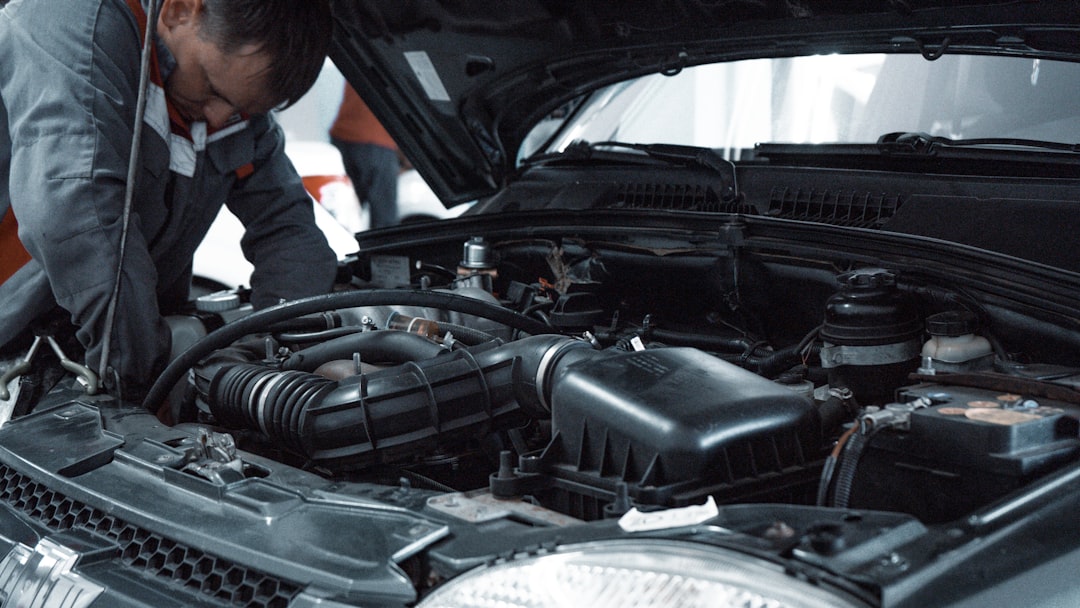
Extending your vehicle engine’s life is achievable with expert maintenance and smart driving. This article covers essential strategies like timely oil changes, coolant system care, air filter upkeep, fuel quality, and timing belt maintenance to maximize your engine’s performance and longevity.
How to Extend Your Vehicle Engine Life Through Expert Maintenance and Smart Driving
- Regular oil changes using quality oil and filters prevent sludge buildup and ensure smooth engine operation.
- Proper coolant system care helps avoid overheating and costly engine damage.
- Frequent air filter inspections and timely replacements maintain combustion efficiency and fuel economy.
- Using premium fuel and fuel additives reduces carbon buildup and enhances engine health.
- Maintaining your timing belt/chain on schedule is critical to prevent catastrophic engine failures.
Table of contents
- Why Regular Oil Changes Are Critical to Engine Longevity
- Effective Coolant System Maintenance to Prevent Engine Overheating
- Why Air Filter Inspections and Replacements Matter for Engine Performance
- How Fuel Quality Affects Engine Health and Efficiency
- The Vital Role of Timing Belt and Chain Upkeep
1. Why Regular Oil Changes Are Critical to Engine Longevity
Engine oil is the lifeblood of your vehicle, lubricating parts, reducing friction, dissipating heat, and carrying away debris. Without regular oil changes, sludge accumulates, causing premature wear and risking engine failure.
Best Practices for Oil Changes:
- Adhere to manufacturer recommendations, usually every 3,000 to 7,500 miles.
- Choose high-quality synthetic oils if your vehicle requires them for enhanced viscosity and heat resistance.
- Adjust oil change frequency based on driving conditions like dust or high temperatures.
- Use reliable oil filters to trap contaminants efficiently.
Modern vehicles may allow longer intervals due to improved oil technology, yet sticking close to or slightly enhancing your car’s schedule benefits engine health. Scheduled oil sampling (SOS) can preemptively monitor oil quality and signs of wear for proactive care.
Timely oil changes ensure optimal lubrication and prevent sludge, fundamentally extending your engine’s lifespan.
Dig deeper into efficient oil change tips
2. Effective Coolant System Maintenance to Prevent Engine Overheating
Engine overheating is a major cause of damage, potentially warping parts or causing engine failure. Your coolant system regulates engine temperature, preventing such issues and enhancing longevity.
How to Maintain Your Cooling System:
- Regularly check coolant levels and top off with distilled water as needed.
- Use the coolant type recommended by your manufacturer, such as Cat® Extended Life Coolant for diesel engines.
- Flush the cooling system every 30,000 miles or 36 months to remove rust and deposits.
- Inspect hoses and radiator for leaks or wear.
- Watch for overheating signs like temperature spikes or smoke from the engine area.
Neglecting this maintenance invites overheating risks and expensive repairs like blown head gaskets. Additionally, local climate should influence your inspection frequency due to its impact on system stress.
Proper coolant system care protects your engine from heat damage and sustains efficient operation over time.
Visit for more insights on cooling system care
3. Why Air Filter Inspections and Replacements Matter for Engine Performance
Though small, air filters protect your engine’s combustion chamber from dust and debris. A clean filter ensures proper airflow and efficient fuel combustion, preventing damage and preserving fuel economy.
Air Filter Maintenance Tips:
- Replace air filters every 12,000 to 30,000 miles depending on environmental conditions.
- Increase inspection frequency in dusty or pollen-heavy areas.
- Check the air filter housing for any damage or leaks.
Without clean air, fuel efficiency drops and soot builds up, damaging cylinder walls and valves. Regular filter replacement is essential for engine protection.
Keeping your air filter pristine safeguards combustion efficiency and extends engine life.
For additional guidance on air filter care, click here
4. How Fuel Quality Affects Engine Health and Efficiency
Fuel is the energy source for your engine, but low-quality or contaminated fuel causes carbon buildup and damages components like injectors and valves, degrading performance.
Tips for Maintaining Fuel System Health:
- Buy fuel only from reputable gas stations.
- Use high-octane fuel where recommended.
- Employ fuel additives periodically to clean injectors and valves.
- Avoid questionable or contaminated fuel sources.
Consistent use of quality fuel reduces deposits, improves emissions, and boosts fuel efficiency, significantly aiding engine longevity.
Using clean, premium fuel protects your engine from harmful buildup and supports efficient operation.
Peruse fuel system maintenance advice to bolster longevity
5. The Vital Role of Timing Belt and Chain Upkeep
The timing belt or chain synchronizes the camshaft and crankshaft. Failure can cause severe engine damage like bent valves or piston collisions.
Timing Belt/Chain Maintenance Guide:
- Inspect regularly and replace belt between 60,000 and 100,000 miles as recommended.
- Listen for unusual noises such as rattles or ticks signaling wear.
- Although chains last longer, they need monitoring for signs of deterioration.
Neglecting timely replacement risks catastrophic engine repairs. Follow manufacturer intervals precisely to avoid costly breakdowns.
Maintaining your timing belt or chain averts disastrous engine failure and expensive repairs.
Unearth more in-depth insights on maintaining your timing belt
FAQ
How often should I change my engine oil?
Follow your vehicle manufacturer's guidelines, usually every 3,000 to 7,500 miles. Consider your driving conditions as harsher environments may require more frequent changes.
What are signs my coolant system needs maintenance?
Look for temperature gauge spikes, coolant leaks, or smoke under the hood. Regularly check coolant levels and condition to avoid overheating.
How do I know when to replace my air filter?
Replace every 12,000 to 30,000 miles or more often in dusty environments. Reduced fuel efficiency or engine performance can also indicate a dirty filter.
Why is using high-quality fuel important?
It reduces carbon buildup on engine components, improving performance and longevity while also supporting better fuel economy and emissions.
When should I replace the timing belt or chain?
Typically between 60,000 to 100,000 miles depending on manufacturer specs. Replace immediately if you notice abnormal noises or wear to avoid engine damage.