Cart
0

Mastering vehicle maintenance is key to extending your car’s lifespan beyond 200,000 miles. This guide reveals expert tips on OEM parts, synthetic oils, rust prevention, tire care, fluid management, and smart driving habits to keep your car dependable and efficient for the long haul.
Key Takeaways
- Use OEM parts for perfect fit and extended warranty.
- Switch to full synthetic oil to protect your engine and improve fuel efficiency.
- Regular washing and waxing prevent rust and preserve paint.
- Gentle acceleration, braking, and maintaining safe distances reduce wear and tear.
- Maintain tire pressure, rotation, and alignment for safety and longevity.
- Monitor and replace essential fluids timely to avoid mechanical failures.
- Address warning lights and odd noises promptly to save repair costs.
- Care for dormant vehicles with weekly checks to avoid degradation.
- Test and maintain your battery biannually for reliable starts.
Table of Contents
- 1. Why Choosing OEM Parts Spells Longevity
- 2. The Magical Tale of Synthetic Oil and Engine Health
- 3. Rust’s Foe: Washing and Waxing Sleight
- 4. Smooth Driving Symphony to Smoothen Wear-And-Tear Cries
- 5. Tire TLC: Safety and Sporty Performance Cocktail
- 6. Fluid Gallants: Engine’s Braveheart Headquarters
- 7. Octane Tale Swag for Engine Care
- 8. Swift Fixes: The Art That Saves Bucks
- 9. Doting On Dormant Wheels and Rolling Seize Care
- 10. Battery Melodic Musings Leading to Road Beginnings
- Conclusion: Your Car, Your Long Haul Comrade
1. Why Choosing OEM Parts Spells Longevity
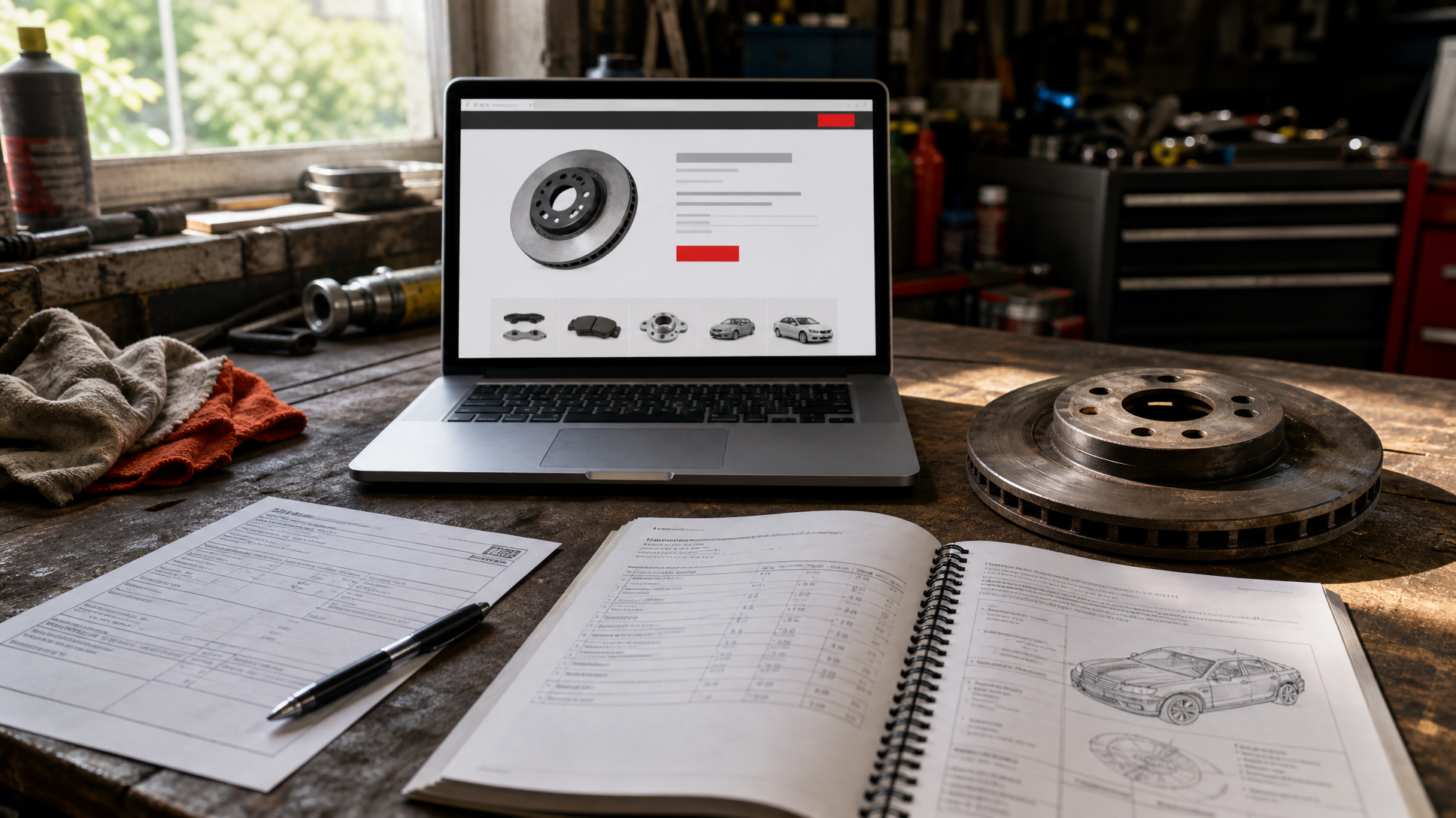
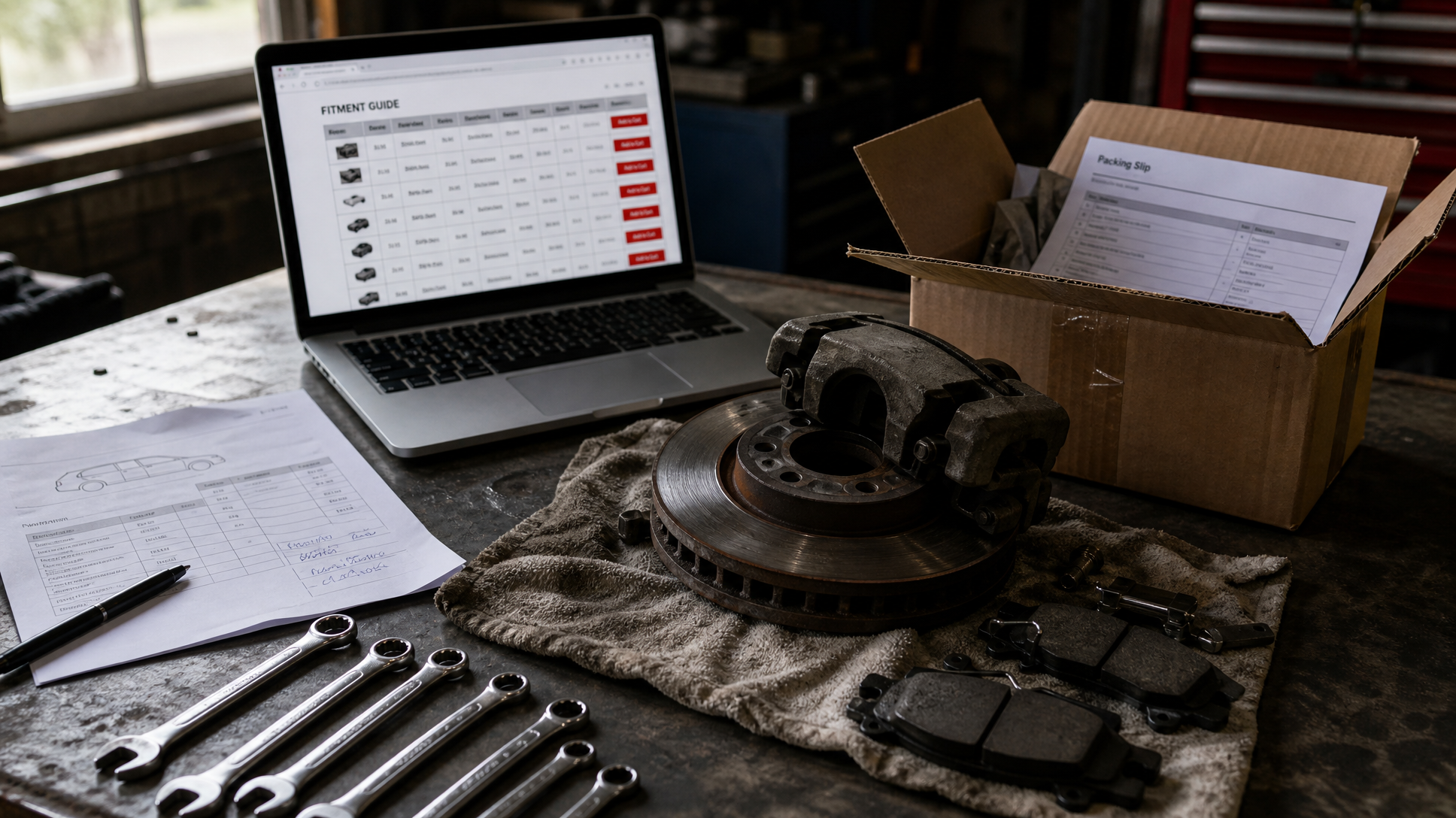
Choosing Original Equipment Manufacturer (OEM) parts ensures your vehicle receives parts built specifically for its make and model, meeting factory standards. This precise fit minimizes wear and avoids compatibility issues, while maintaining factory warranties for brands like Buick, GMC, and Cadillac.
- Spot-On Fit: OEM parts integrate seamlessly, reducing premature damage.
- Warranty Sustainment: Keeps your vehicle’s warranty intact.
- Reliability: Components withstand rigorous safety and longevity testing.
- Compatibility: Designed to work perfectly within your vehicle’s systems.
While OEM parts may cost more upfront, they prevent untimely failures and costly breakdowns. For quality vehicle repair parts, consider trusted suppliers like Thompson Sales Company specializing in OEM options such as ACDelco.
2. The Magical Tale of Synthetic Oil and Engine Health
Modern engines, especially turbocharged ones, thrive on synthetic oil for superior protection and performance. Synthetic oils flow better at engine parts, resist heat and sludge buildup, and extend oil change intervals to 7,500 miles or more compared to conventional oil’s 3,000 miles.
- Enhanced Lubrication: Better flow reduces engine friction.
- Heat Resistance: Performs well under extreme temperatures.
- Longer Life: Extended oil change intervals save money and effort.
- Fuel Efficiency: Less friction means better mileage.
- Turbocharger Protection: Handles extra heat and stress gracefully.
Always use the synthetic oil grade recommended in your vehicle’s manual to maximize engine health and avoid costly repairs. Learn more about the benefits of synthetic oils here.
3. Rust’s Foe: Washing and Waxing Sleight
Rust is one of the most damaging enemies to your vehicle’s paint and structural integrity. Regular washing and waxing act as your car’s shield against rust, especially in winter where salt accelerates corrosion.
- Regular Rinsing: Remove dirt, mud, road salt with special attention to wheel wells and undercarriage.
- pH-Balanced Shampoo: Protect your paint’s surface without stripping.
- Use Microfiber Towels: Prevent scratches while drying.
- Waxing: A polymer wax forms an invisible barrier against moisture, sun, and pollutants.
Ignoring waxing can lead to expensive repaint jobs and rust damage. Deal promptly with any scratches or scrapes to prevent rust’s advance. Discover more rust prevention gems here.
4. Smooth Driving Symphony to Smoothen Wear-And-Tear Cries
Driving style profoundly impacts your vehicle’s wear and tear. Sudden acceleration, harsh braking, and jerky moves stress vital components like the engine, transmission, brakes, and suspension.
- Gentle Acceleration and Braking: Reduces heat buildup and mechanical strain.
- Maintain Safe Distances: Allows smoother stops and better anticipation.
- Signal Properly: Prevents accidents and costly repairs.
- Drive Vigilantly and Patiently: Enhances safety and reduces mechanical breakdowns.
Adopting these driving habits can help your vehicle reach the 200,000- to 300,000-mile milestone with fewer costly repairs. Explore detailed driving tips here.
5. Tire TLC: Safety and Sporty Performance Cocktail
Your tires are the sole contact with the road and vital for safety, performance, and fuel economy. Proper tire care ensures a smooth and safe ride.
- Weekly Inspection: Check for cracks, debris, and uneven wear.
- Monthly Pressure Checks: Maintain proper air pressure to prevent premature wear.
- Tread Depth Test: Use a penny or Lincoln test to gauge tire health.
- Rotate Tires Every 10,000 Miles: Ensures even tread wear.
- Wheel Alignment Annually: Corrects wear from potholes and rough roads.
Keep your tires pampered to increase their service life and safeguard your drive. Learn more about tire care essentials here.
6. Fluid Gallants: Engine’s Braveheart Headquarters
Your car’s fluids are essential for smooth operation and longevity. Regular inspection and timely replacements prevent breakdowns and costly repairs.
- Engine Oil: Check monthly; change every 5,000–7,500 miles as per manual.
- Transmission Fluid: Inspect every 3 months; replace between 30,000 and 60,000 miles.
- Brake Fluid: Check regularly; replace every 2 years or as needed.
- Coolant/Antifreeze: Monitor seasonally; flush every 2–5 years.
- Power Steering Fluid: Monthly checks ensure smooth steering.
- Windshield Washer Fluid: Keep topped monthly for clear visibility.
Neglected fluids can cause engine seizures, brake failure, and overheating. Read more on fluid care here.
7. Octane Tale Swag for Engine Care
Choosing the correct octane fuel prevents engine knocking and enhances performance and fuel economy. Reference your manual for the recommended octane level to avoid damaging your engine.
- Knock Prevention: Correct octane averts internal knocking and damage.
- Better Economy: Optimizes combustion efficiency.
- Reduced Emissions: Cleaner engine operation.
Consider fuel additives like ACDelco products to maintain fuel injector cleanliness and reduce carbon build-up.
8. Swift Fixes: The Art That Saves Bucks
Warning lights, unusual noises, or performance changes signal underlying issues that should be addressed promptly to avoid costly repairs.
- Early Rust Signs: Address scratches and corrosion before expansion.
- Warning Lights: Never ignore alerts to prevent severe damage.
- Strange Noises: Investigate brake, belt, or suspension sounds immediately.
Prompt diagnostics and repairs protect your investment and resale value. Learn more about timely fixes here.
9. Doting On Dormant Wheels and Rolling Seize Care
Vehicles left unused need special care to avoid flat spots, battery drain, and fluid degradation.
- Wheel Movement: Roll the car 20 minutes weekly to prevent flat spots.
- Battery Maintenance: Use battery tenders or charge periodically.
- Fluid Inspections: Check belts, hoses, and fluid levels regularly during storage.
- Proper Parking: Indoors or sheltered parking protects paint and metal.
- Pest Prevention: Seal holes to deter rodents from nesting.
Consumer Reports highlights that these steps preserve idle vehicles' readiness and prevent costly revival. Explore storage care tips here.
10. Battery Melodic Musings Leading to Road Beginnings
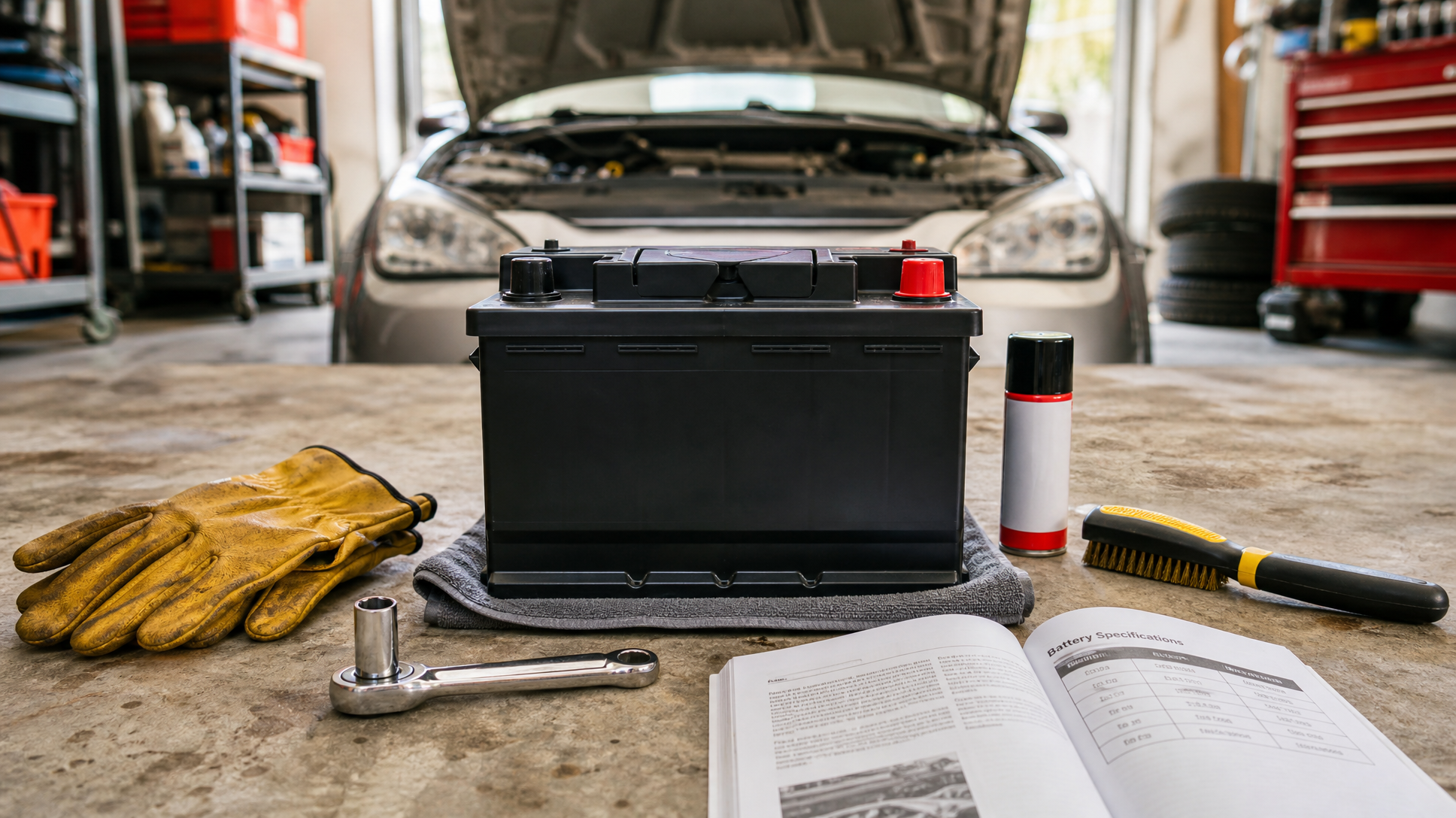
Your battery is the heart of your vehicle’s electrical system. Regular testing and maintenance prevent inconvenient breakdowns.
- Biannual Testing: Check battery health every 6 months, especially before summer and winter.
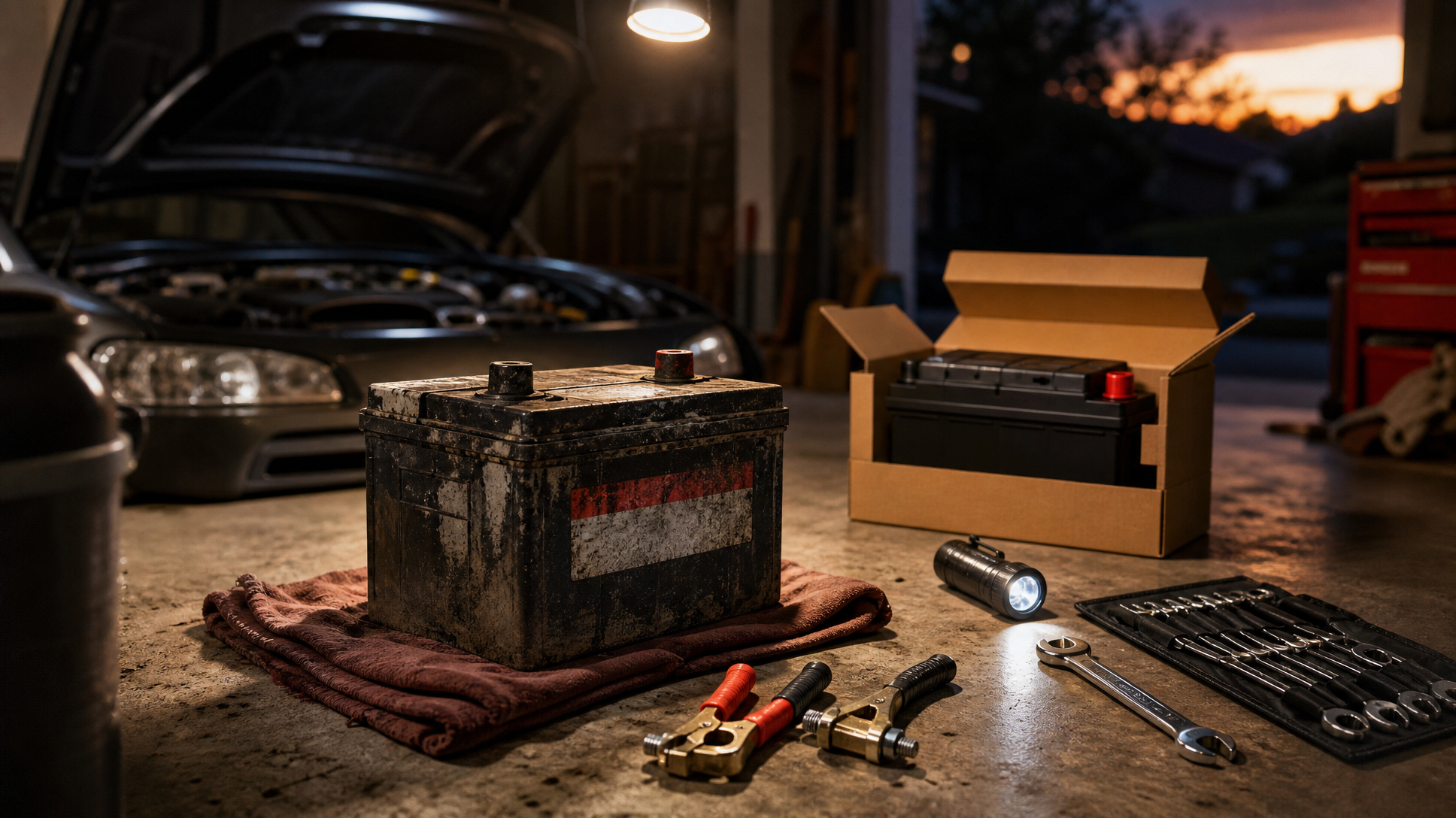
- Terminal Cleaning: Remove corrosion using wire brushes and a baking soda solution.
- Secure Mounting: Ensure the battery is firmly mounted to avoid vibrations.
Well-maintained batteries ensure reliable start-ups and guard against unexpected failures. For detailed battery care advice, visit here.
Conclusion: Your Car, Your Long Haul Comrade
Reaching beyond 200,000 miles requires a blend of informed maintenance and mindful driving. Investing in OEM parts, respecting synthetic oil benefits, adopting smooth driving habits, staying on top of fluid and tire care, and quick attention to repairs form the pillars of automotive longevity. Whether you commute daily or drive occasionally, these tips cultivate a reliable, safe, and budget-wise vehicle companion for journeys ahead.
For quality vehicle parts and maintenance essentials, explore trusted suppliers such as ACDelco and Thompson Sales Company.
FAQ
Q1: Why are OEM parts important?
OEM parts guarantee compatibility, safety, and warranty protection, reducing the chance of premature failures and costly repairs.
Q2: How often should I change synthetic oil?
Typically every 7,500 miles or according to your vehicle’s manual. Synthetic oil lasts longer and performs better under extreme conditions.
Q3: How does regular waxing help my car?
Waxing creates a protective layer guarding your paint from moisture, sun damage, and pollution, significantly reducing rust risk.
Q4: What are the signs of tire wear I should watch for?
Look for cracks, uneven tread wear, low tread depth (under 2/32 inch), bulges, and debris embedded in the tire.
Q5: How can I care for a car that is parked long-term?
Roll the car weekly to avoid flat spots, keep battery charged, maintain fluid levels, park indoors if possible, and seal any gaps to deter pests.