Cart
0
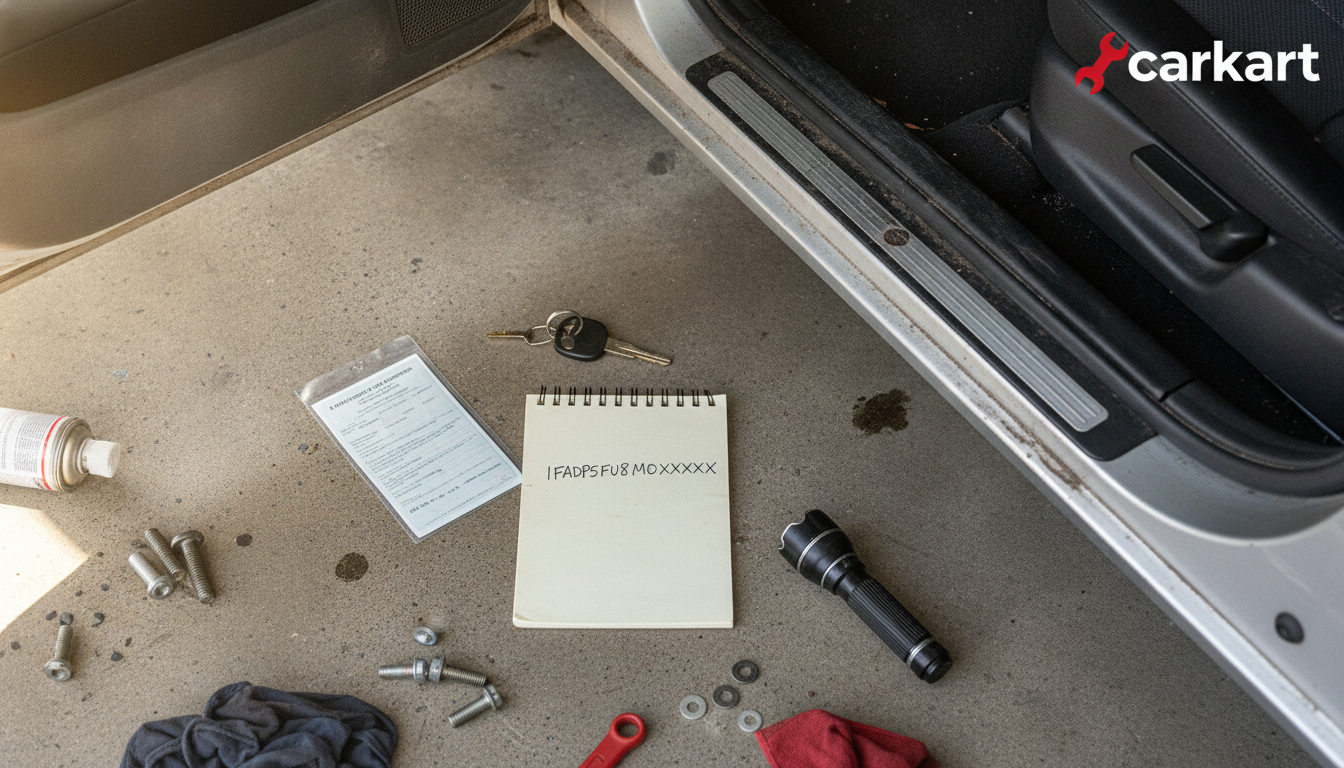
The Part Arrived. It Didn't Fit. Sound Familiar?
You ordered what looked like the right part. Same make, same model, same year — or so you thought. Then it shows up and something's off. The bolt pattern doesn't match, the connector is different, or it's just slightly the wrong size. Back it goes.
This happens constantly with online auto parts shopping, and almost every time it's preventable. The fix is simpler than most people realize: use your VIN before you buy, not after something goes wrong.
What Your VIN Actually Is
VIN stands for Vehicle Identification Number — a 17-character code unique to your specific vehicle. Not just your make and model. Your car. Two identical-looking 2019 Honda Civics sitting next to each other at a dealership can have different engines, different trim packages, and different factory-installed components. Their VINs will reflect that. A year, make, and model search won't.
That distinction matters enormously when you're ordering replacement parts, because manufacturers often change specs mid-production year, vary components by assembly plant, or offer the same model with multiple drivetrain configurations. Your VIN cuts through all of that.
Where to Find Your VIN
There are a few reliable places to look:
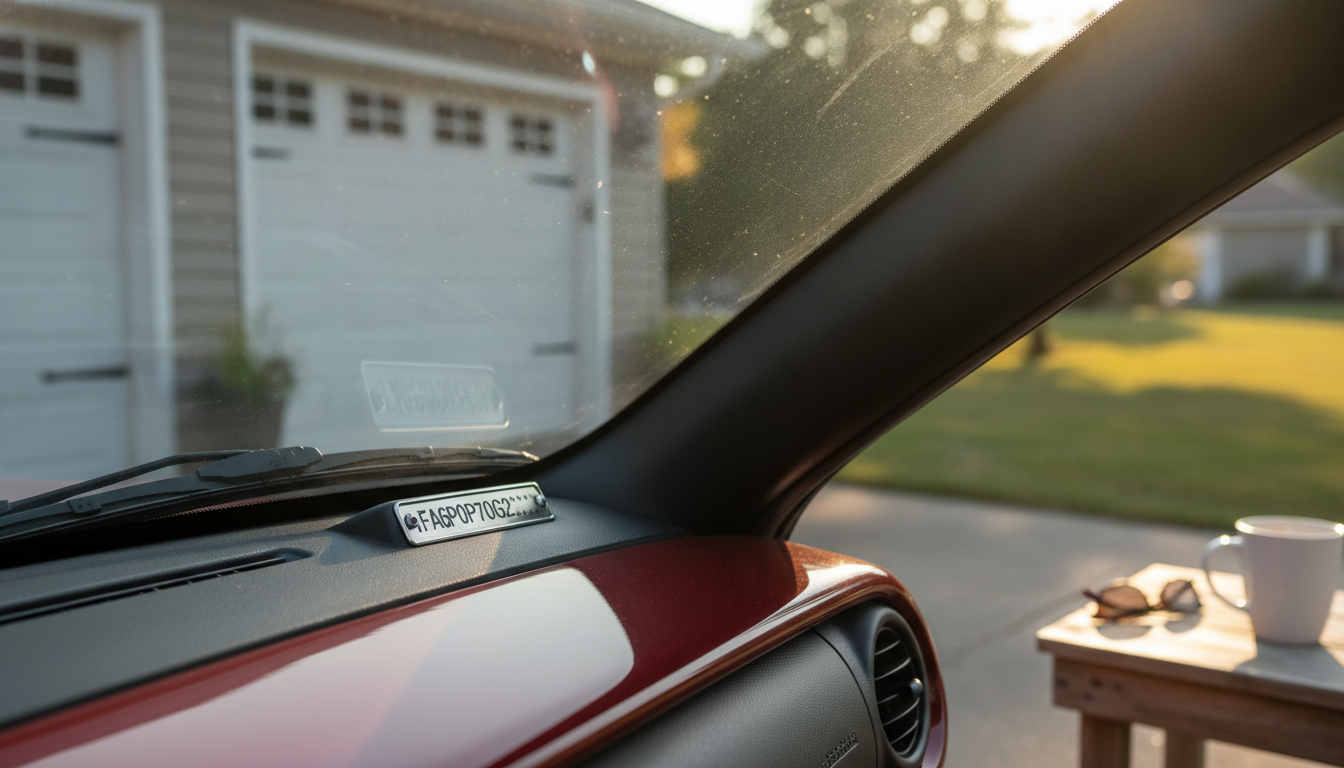
- Driver's side dashboard — Look through the windshield at the lower-left corner of the dashboard. You'll see a small plate with the 17-character code. This is the easiest spot.
- Driver's side door jamb — Open the door and look at the sticker on the door frame or the B-pillar. It usually lists the VIN alongside other vehicle specs.
- Vehicle title and registration — Your state-issued title and registration documents both carry the VIN.
- Insurance card or policy — Most insurance cards print it right there.
- Under the hood — Some vehicles stamp it on the firewall or engine block, though this varies by manufacturer.
Write it down or take a photo before you start shopping. You'll want it on hand.
Breaking Down the 17 Characters
You don't need to memorize the full decoding standard, but knowing what the main segments mean helps you understand why the VIN is so powerful for parts matching.
Characters 1–3 (World Manufacturer Identifier): These identify the country of manufacture and the manufacturer. A VIN starting with "1," "4," or "5" was built in the United States; "J" indicates Japan; "W" indicates Germany, and so on.
Characters 4–8 (Vehicle Descriptor Section): This is where it gets useful for parts. These five characters encode the vehicle's model line, body style, engine type, and restraint systems. Two trucks from the same brand and year with different engine options will differ here — and so will the compatible parts.
Character 9 (Check Digit): A mathematically calculated digit used to verify the VIN is legitimate. You can mostly ignore this one for parts shopping purposes.
Character 10 (Model Year): This single character tells you the model year. It's not always what you'd expect — some model years start production the year before, so a car sold in late 2022 might be a 2023 model year. The VIN character won't lie.
Character 11 (Plant Code): Identifies which assembly plant built the vehicle. This matters more than people think — the same model assembled at different plants sometimes used different supplier components.
Characters 12–17 (Production Sequence): The unique serial number for your specific vehicle off the line.
The practical takeaway: characters 4–11 are the ones that determine parts compatibility. When a parts database decodes your VIN, it's reading these to pull up the exact configuration your car left the factory with.
How to Use Your VIN When Shopping Online
Here's where most buyers leave time and money on the table. They search by year, make, and model — which is fine as a starting point — but then skip the VIN verification step entirely. Don't do that.
Step 1: Have your VIN ready before you search. Don't start browsing and then try to remember it. Grab it first.
Step 2: Use VIN lookup tools when available. Many reputable auto parts retailers offer a VIN lookup field that cross-references your code against their catalog. Enter it and let the system filter results to parts confirmed compatible with your exact vehicle configuration.
Step 3: Cross-check the part number. Once you've found a candidate part, note the OEM (original equipment manufacturer) part number if it's listed. You can verify that number independently to confirm it matches your vehicle's factory spec.
Step 4: Double-check the vehicle descriptor section for engine and trim. If a site asks you to select your engine size or trim level after entering your VIN, don't skip it. Some parts vary even within the same VIN prefix depending on factory options.
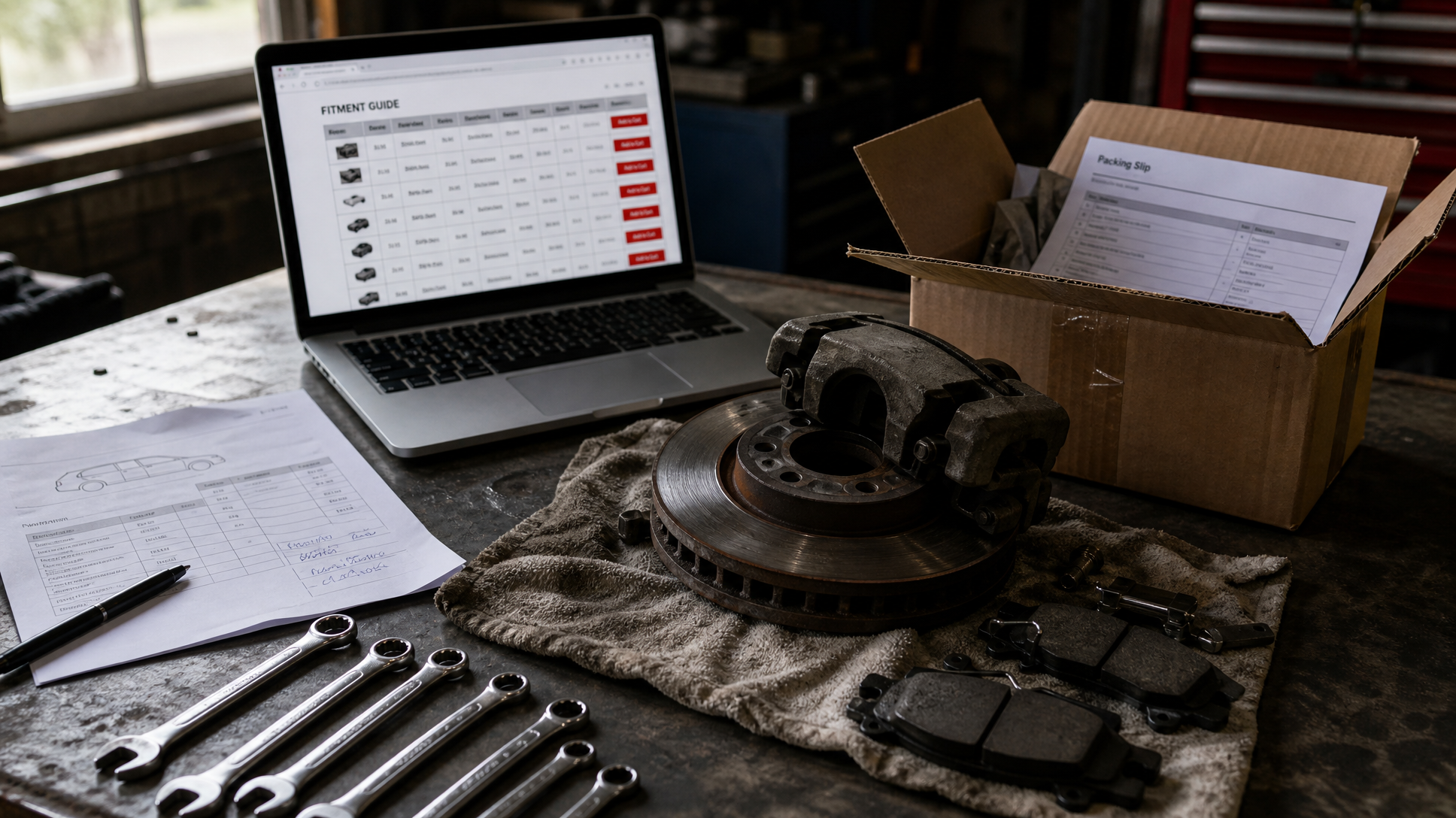
Step 5: Read the fitment notes. Good parts listings include fitment notes that call out exceptions — "does not fit vehicles with the sport package" or "for 4WD models only." These save returns. Read them.
What the VIN Won't Tell You
The VIN is the best starting point, not a guarantee of a perfect transaction. A few things to keep in mind:
Aftermarket and performance upgrades are a different story. If a previous owner swapped the engine, changed the suspension, or made significant modifications, the VIN reflects the original factory configuration — not what's actually on the car now. Before buying performance parts or anything that interfaces with modified components, verify the actual current spec on your vehicle, not just what the VIN says it should be.
Accessories and cosmetic add-ons — floor mats, seat covers, cargo organizers — often don't require VIN-level precision. Year, make, and model is usually sufficient there.
If you're ever unsure, the guide to buying replacement auto parts online without getting the wrong fit covers the broader compatibility checklist worth running through before any purchase.
A Quick Note on Mid-Year Production Changes
This trips people up more than almost anything else. Manufacturers sometimes change a component partway through a production year without changing the model year designation. The 2021 model you bought in January and the 2021 model your neighbor bought in October might have different brake calipers, different alternator specs, or a different A/C compressor configuration.
The VIN's plant code and production sequence help parts databases account for these mid-run changes. Year-make-model alone cannot. This is the single best argument for always leading with your VIN.
Ready to Put It to Use?
Grab your VIN, pull up Carkart's replacement parts and accessories catalog, and shop with the confidence that you're looking at parts built for your actual vehicle — not just something in the same ballpark. Free shipping across the USA, and if it's your first order, use WELCOME5 at checkout for 5% off.
The right part the first time is always cheaper than the wrong part twice.
Frequently Asked Questions
Can I find my VIN if I don't have the physical car in front of me?
Yes. Your vehicle title, registration document, and insurance card all carry the VIN. You can also find it on your insurance company's app or member portal if you've set one up. If you bought the car new, the original purchase paperwork from the dealership will have it too.
Is the VIN the same as the engine number or serial number?
No — they're different. The VIN is the vehicle-level identifier assigned to the whole car. Engine numbers and serial numbers are component-level identifiers stamped directly on specific parts. For parts shopping purposes, the VIN is what you need. Engine numbers become relevant mainly when you're sourcing engine internals or verifying a replacement engine matches your original.
What if two parts both claim to fit my VIN — how do I choose between them?
Check whether one is OEM (original equipment manufacturer) and the other is aftermarket. OEM parts are made to factory spec; aftermarket parts may offer different performance characteristics, price points, or fitment tolerances. Neither is automatically better — it depends on your goal. For a straightforward repair, OEM is the safest bet. For a performance upgrade or a budget fix, a quality aftermarket option may serve you just as well. Reading the fitment notes and customer reviews for your specific vehicle configuration helps narrow it down.
Do I need my VIN for accessories like floor mats or a phone mount?
Usually not. Interior accessories, phone mounts, and universal-fit products typically just need your vehicle's make and model — or no vehicle info at all. VIN-level precision matters most for mechanical replacement parts, electrical components, and anything that physically interfaces with your vehicle's existing systems. When in doubt, check the product's fitment description; it will usually tell you whether VIN verification is needed.